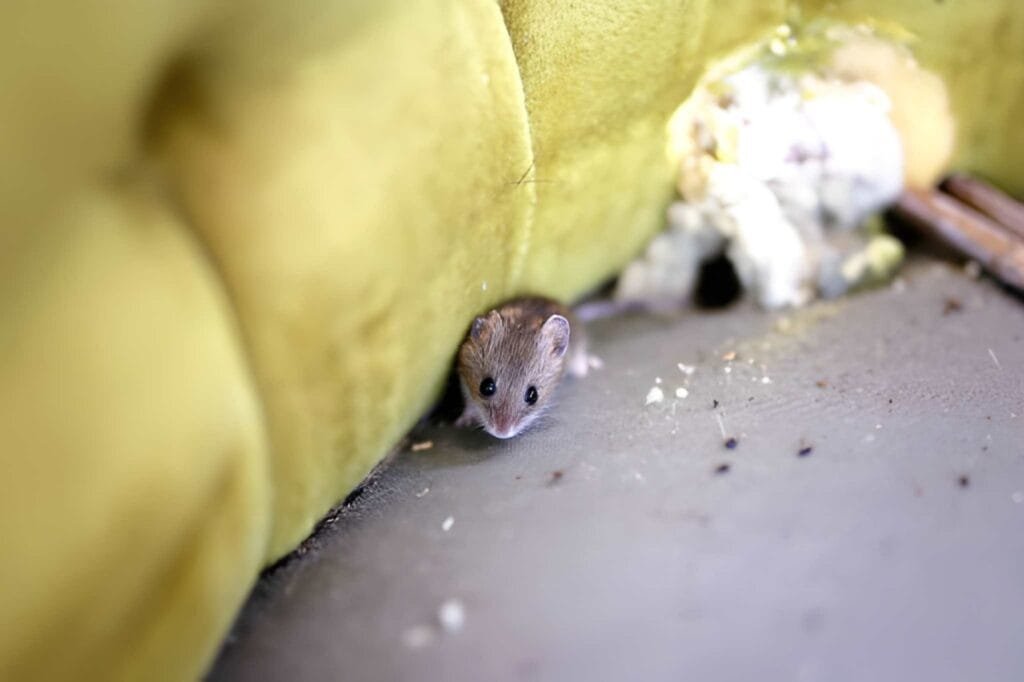
You’ve just spotted tiny black pellets scattered across your floor. That’s mouse poop.
Now, your first instinct might be to grab the vacuum and clean it up quickly. But wait—should you really vacuum mouse poop? It’s not as simple as it seems. What you do next could affect your health and the safety of your home.
Keep reading to find out the safest way to handle this common but tricky problem.
Risks Of Vacuuming Mouse Droppings
Vacuuming mouse droppings may seem like a quick cleanup method. The risks, though, can be serious. Mouse waste carries harmful germs and particles. These can spread in the air during vacuuming. The vacuum cleaner itself can also get damaged by the droppings.
Health Hazards From Rodent Waste
Mouse droppings carry viruses and bacteria. These can cause diseases like hantavirus and salmonella. Vacuuming stirs up dust and germs. This dust can enter your lungs and cause illness. People with weak immune systems face greater risks. Breathing in these particles can cause coughing, fever, and breathing problems.
Cleaning mouse waste requires caution. Always wear gloves and a mask. Use wet cleaning methods to avoid spreading dust. Dry vacuuming spreads harmful particles into the air.
Potential Damage To Vacuum Cleaner
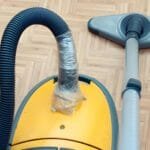
Vacuuming mouse droppings can harm your machine. Sharp droppings and hard debris may clog or scratch parts. Germs and urine can cause bad smells inside. The filter may get clogged quickly. This lowers the vacuum’s performance and lifespan. Special vacuums with HEPA filters handle this better. Regular vacuums often fail and require repairs after cleaning rodent waste.
Safer Alternatives To Vacuuming
Vacuuming mouse poop can spread harmful dust and germs into the air. Safer methods reduce health risks and clean effectively. Using simple tools and safety steps can protect you and your home.
Using Damp Cloths And Disinfectants
Damp cloths help pick up mouse droppings without stirring dust. First, spray disinfectant on the droppings to kill germs. Let it sit for a few minutes. Then wipe carefully with a damp cloth. Dispose of the cloth safely after cleaning. This method keeps dust and germs from spreading.
Proper Protective Gear To Wear
Wear gloves and a mask before cleaning mouse droppings. Gloves protect your hands from germs. A mask stops you from breathing in harmful particles. Use eye protection if possible. Change gloves and wash hands after cleaning. Safety gear lowers the chance of infection and keeps you safe.
Step-by-step Cleaning Process
Cleaning mouse poop requires care and caution. It is not safe to vacuum it directly because it can spread harmful particles into the air. Follow a clear step-by-step process to remove it safely and keep your home clean.
Preparing The Area
First, put on disposable gloves and a mask to protect yourself. Open windows to air out the room. Avoid sweeping or vacuuming dry droppings as this can release dangerous dust. Instead, spray the area with a disinfectant or a bleach solution to dampen the droppings. Let it sit for at least 5 minutes to kill germs.
Disinfecting Before Removal
Spray the mouse poop again with the disinfectant to make sure it is wet. Use paper towels to carefully wipe up the droppings. Do not use a broom or vacuum. Dispose of the paper towels in a sealed plastic bag immediately after use. Clean the area once more with disinfectant to remove any leftover germs.
Safe Disposal Methods
Seal the plastic bag with the mouse droppings tightly. Place the sealed bag inside another plastic bag for extra safety. Throw the bags into an outdoor trash bin. Wash your hands thoroughly with soap and water after removing gloves. Use a disinfectant to clean any tools you used during cleaning.
Preventing Future Infestations
Preventing future mouse infestations is crucial after cleaning up mouse droppings. Taking steps to block mice from entering stops problems early. Maintaining a clean home makes it less inviting for rodents. These actions reduce health risks and protect your property.
Sealing Entry Points
Inspect your home carefully for holes or gaps. Mice can squeeze through openings as small as a dime. Use steel wool and caulk to fill small holes. Larger gaps need metal flashing or hardware cloth. Check doors and windows for tight seals. Fix damaged screens and install door sweeps. Sealing entry points limits mice access to your home.
Maintaining Clean Living Spaces
Store food in airtight containers to block mouse access. Clean up crumbs and spills promptly. Remove clutter where mice can hide and nest. Take out garbage regularly and use bins with lids. Vacuum floors and furniture often to remove food traces. Dry damp areas to prevent water sources. A clean space discourages mice from settling in.
Choosing The Right Cleaning Tools
Choosing the right cleaning tools is key to safely removing mouse droppings. Using the wrong tools can spread germs and dust into the air. Proper equipment helps protect your health and keeps your home clean.
Careful selection of cleaning tools also makes the job easier. It prevents damage to surfaces and avoids stirring up harmful particles. Understanding which tools work best supports a safer cleanup process.
Vacuum Features For Safe Use
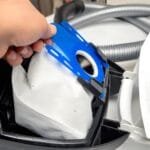
Some vacuums are better for cleaning mouse droppings. Choose one with a HEPA filter. It traps tiny particles and stops them from escaping back into the air.
A vacuum with strong suction helps remove droppings completely. Look for models with sealed systems. This keeps dust and germs inside the vacuum.
Use a vacuum hose attachment to reach tight corners. Avoid using a brush or beater bar. These can spread dust and germs around.
Alternative Cleaning Equipment
Vacuuming is not the only option. Use disposable gloves and paper towels to pick up droppings. Spray the area with a disinfectant before cleaning.
A damp cloth can wipe surfaces safely. It reduces dust and helps collect droppings. Avoid dry sweeping or vacuuming without a filter.
Consider using a plastic bag to contain waste. Seal it tightly before throwing it away. This prevents germs from spreading in your home.
Frequently Asked Questions
Can You Safely Vacuum Mouse Poop?
Vacuuming mouse poop is not recommended. It can release harmful particles into the air. Use a damp cloth or disinfectant to clean instead.
What Are The Health Risks Of Mouse Droppings?
Mouse droppings can carry dangerous bacteria and viruses. Exposure can cause respiratory issues and infections. Always handle with gloves and disinfect surfaces.
How To Clean Mouse Poop Without Vacuuming?
Wear gloves and spray droppings with disinfectant. Let it soak for 5 minutes. Wipe with a paper towel and dispose of it safely.
Can Vacuuming Spread Mouse Poop Bacteria?
Yes, vacuuming can spread harmful bacteria and dust into the air. This increases the risk of inhaling dangerous particles. Avoid vacuuming contaminated areas.
Conclusion
Vacuuming mouse poop can spread harmful dust in the air. Instead, use gloves and a damp cloth to clean carefully. Always spray disinfectant before wiping to kill germs fast. Protect your health by avoiding dry sweeping or vacuuming. Clean the area regularly to prevent more droppings.
Stay safe and keep your home clean from pests. Taking simple steps helps reduce risks effectively. Remember, safety comes first when handling mouse waste.