Keeping your pool sparkling clean can feel like a big job, but using a pool vacuum can make it so much easier. If you’ve ever wondered how to use a pool vacuum the right way, you’re in the right place.
This simple tool can save you time and effort, leaving your water clear and inviting. Stick with me, and you’ll learn easy steps to get your pool spotless, enjoy a safer swim, and protect your investment. Ready to make pool cleaning less of a chore?
Let’s dive in!
Choosing The Right Pool Vacuum
Choosing the right pool vacuum is key for keeping your pool clean. A good vacuum saves time and effort. It fits your pool type and cleaning needs. Understanding different options helps make a smart choice. Here is a simple guide to help you pick the best pool vacuum.
Types Of Pool Vacuums
There are three main types of pool vacuums: manual, automatic, and robotic. Manual vacuums need you to push them around. Automatic vacuums move by themselves but connect to the pool’s pump. Robotic vacuums work on their own with a built-in motor and filter. Each type cleans differently and suits different pools.
Manual Vs Automatic Options
Manual vacuums are cheaper and give you full control. They need more work but can reach tight spots well. Automatic vacuums save effort and clean by themselves. They cost more but are good for regular cleaning. Choose manual for small pools or tight budgets. Pick automatic for bigger pools or less work.
Factors To Consider
First, check your pool size and shape. Bigger pools need stronger or automatic vacuums. Next, consider how much time you want to spend cleaning. Also, look at your budget for buying and running the vacuum. Think about the type of debris in your pool. Some vacuums handle leaves well, others are better for dirt. Finally, check how easy it is to use and maintain the vacuum.
Preparing Your Pool For Vacuuming
Preparing your pool for vacuuming is a key step to keep the water clean and clear. Proper preparation makes the vacuuming process easier and more effective. It helps remove dirt and debris that can clog the system or reduce cleaning power.
Start by clearing out big pieces of leaves, twigs, or other debris from the pool surface. Next, check the water’s chemical balance to protect your pool and equipment. Finally, gather all the tools needed to finish the job smoothly.
Remove Large Debris
Use a leaf skimmer or net to pick up big debris from the pool surface. This prevents the vacuum from getting clogged. Removing large debris first saves time and avoids damage to your vacuum system. Check all corners and edges where debris often collects.
Check Water Chemistry
Test the pool water for pH, chlorine, and alkalinity levels. Balanced water protects your pool and vacuum equipment. Adjust chemicals as needed before vacuuming. Proper water chemistry helps the vacuum work better and keeps the pool safe for swimmers.
Gather Necessary Equipment
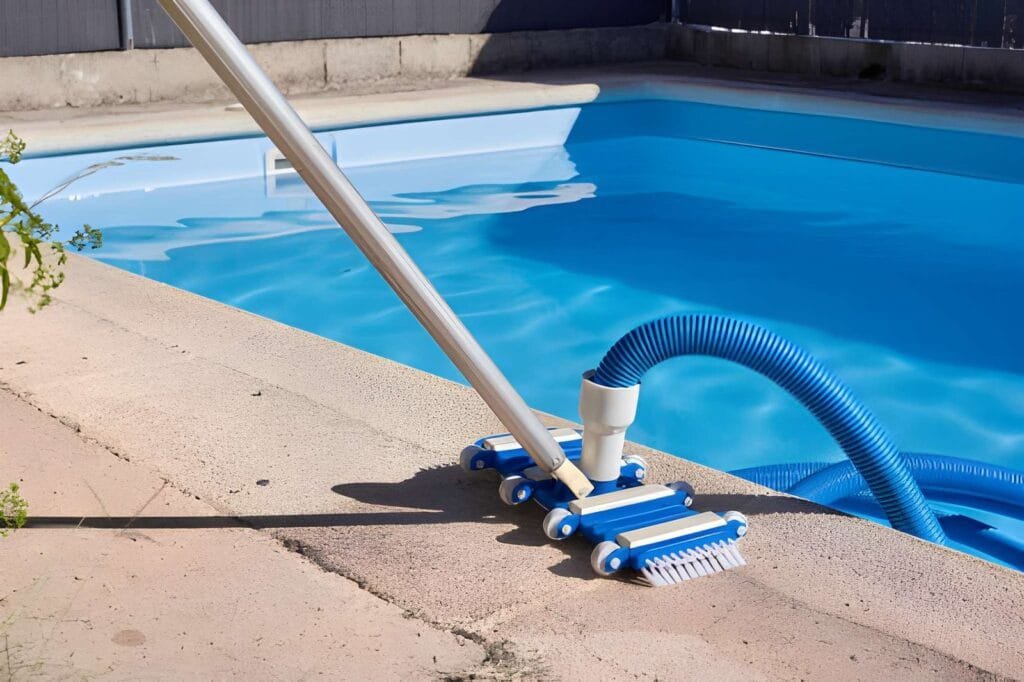
Collect your pool vacuum head, telescopic pole, and vacuum hose. Make sure each part is clean and in good condition. Having everything ready before starting saves time and avoids interruptions. Check for any damage to avoid leaks or poor suction during vacuuming.
Setting Up The Pool Vacuum
Setting up the pool vacuum is the first step to clean your pool efficiently. It ensures the vacuum works well and reaches all dirty spots. A proper setup saves time and effort during cleaning.
Follow clear steps to prepare your pool vacuum for use. Each part must be connected correctly. Adjust settings to fit your pool size and dirt level.
Assembling The Vacuum
Start by gathering all vacuum parts. Attach the vacuum head to the telescopic pole. Connect the vacuum hose to the head firmly. Make sure all connections are tight to avoid leaks.
Check for any missing parts before assembly. A complete vacuum set works better and lasts longer.
Connecting To The Pool Filter
Locate the skimmer or dedicated vacuum port on your pool. Insert the hose end into this port. Ensure the hose fits snugly to keep suction strong.
Turn on the pool pump to start water flow. Watch for any air bubbles in the hose. Air reduces suction and cleaning power.
Adjusting Vacuum Settings
Set the vacuum pressure according to your pool type. Use the pump’s settings or valves to control suction strength. Strong suction removes heavy debris.
Too much suction can damage the pool surface. Adjust until the vacuum moves smoothly across the floor. Balance is key for effective cleaning.
Vacuuming Techniques
Vacuuming your pool is a key step in keeping it clean and safe. Using the right techniques helps remove dirt, leaves, and debris effectively. It also saves time and effort. Follow these simple steps to vacuum your pool like a pro.
Starting The Vacuum
Begin by assembling the vacuum and attaching the hose tightly. Submerge the vacuum head and hose in the water. Let the air escape from the hose to avoid losing suction. Connect the hose to the skimmer or dedicated suction port. Turn on the pump to start the vacuum.
Proper Cleaning Patterns
Move the vacuum slowly and steadily across the pool floor. Use straight, overlapping lines for full coverage. Avoid rushing or skipping areas. Cover the shallow and deep ends carefully. This pattern helps pick up all debris without stirring it up.
Handling Different Pool Surfaces
Be gentle on delicate surfaces like vinyl or fiberglass. Use a soft vacuum head to avoid scratches. For concrete or plaster pools, a stiff brush vacuum head works well. Adjust pressure based on the surface type. This protects your pool and keeps it clean.
After Vacuuming Care
After vacuuming your pool, proper care keeps your equipment in good shape. It also helps your pool stay clean longer. Taking time to care for your vacuum and pool equipment is important.
Cleaning The Vacuum
Remove debris from the vacuum head after each use. Rinse the vacuum with clean water to wash away dirt. Check the hose for clogs and clear any blockages. Store the vacuum in a dry place to avoid damage.
Maintaining Pool Equipment
Inspect all parts of the pool vacuum regularly. Look for cracks or wear on hoses and connectors. Replace broken parts quickly to avoid bigger problems. Keep the filter clean to help the vacuum work well.
Regular Maintenance Tips
Vacuum your pool at least once a week during swim season. Brush pool walls to prevent dirt buildup. Test pool water often to keep it balanced. Clean the pump basket and skimmer basket every few days.
Frequently Asked Questions
How Often Should I Use A Pool Vacuum?
Use a pool vacuum once a week to maintain cleanliness. Frequent vacuuming prevents debris buildup and keeps water clear. Adjust frequency based on pool usage and surrounding environment for optimal results.
Can I Use A Pool Vacuum On All Pool Types?
Yes, most pool vacuums work on vinyl, fiberglass, and concrete pools. Always check manufacturer guidelines to ensure compatibility with your specific pool surface. Proper vacuum use protects the pool’s finish.
What Is The Best Time To Vacuum A Pool?
Vacuum your pool during daylight hours when the water is warmest. This helps debris loosen and improves cleaning efficiency. Avoid vacuuming during peak pool use to prevent interruptions.
How Do I Connect A Pool Vacuum To The Filtration System?
Attach the vacuum hose to the skimmer or dedicated suction port. Ensure a tight seal to maintain suction power. Follow your pool vacuum’s instructions for proper setup and operation.
Conclusion
Using a pool vacuum keeps your pool clean and safe. Regular cleaning removes dirt and debris quickly. It saves time and effort compared to manual scrubbing. Choose the right vacuum for your pool size and type. Follow the steps carefully for best results.
Clean water means more fun and fewer health risks. Start vacuuming often to enjoy a sparkling pool all season. Simple tools, simple care. Your pool will thank you.