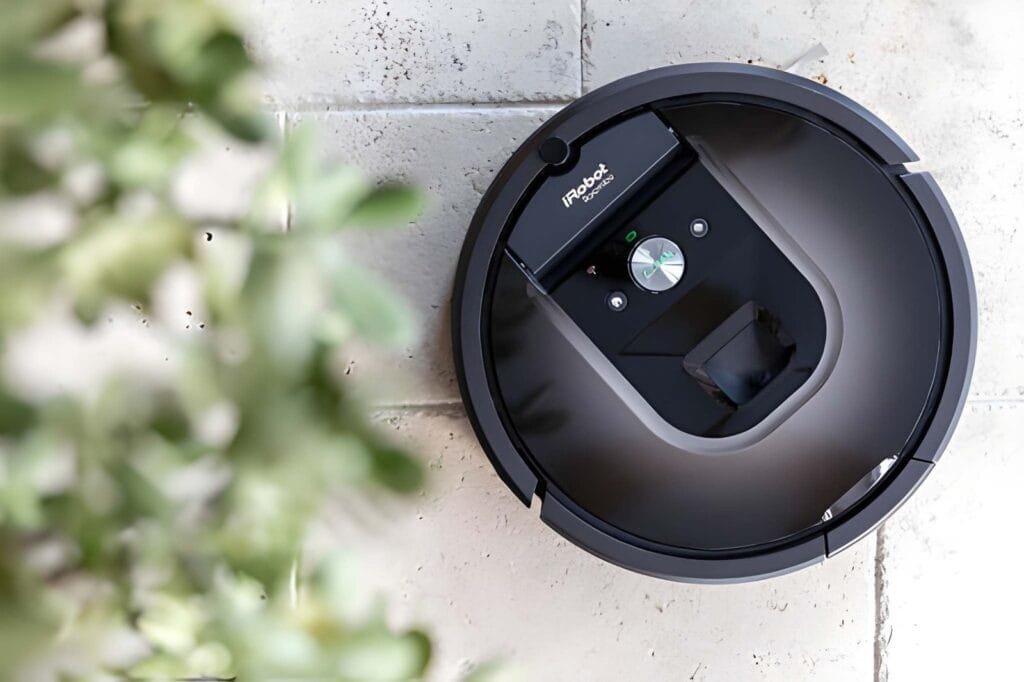
Are you tired of spending your weekends pushing a vacuum around the house? You might have heard about Roomba vacuums and wondered, “Do Roomba vacuums really work?”
It’s a fair question. After all, these little robots promise to clean your floors with minimal effort from you. But can they live up to the hype and keep your home truly clean? You’ll discover how Roomba vacuums perform in real life, what they do best, and where they might fall short.
By the end, you’ll know if a Roomba is the right fit for your cleaning needs—and your busy lifestyle. Keep reading to find out!
Roomba Technology Basics
Roomba vacuums use smart technology to clean floors automatically. They combine sensors, brushes, and software to move and clean efficiently. Understanding how Roomba works helps to see if it suits your needs.
How Roomba Navigates
Roomba uses sensors to detect walls, furniture, and stairs. It moves in a pattern to cover the whole floor. Some models use cameras or lasers for better mapping. This helps Roomba avoid obstacles and clean more thoroughly.
Cleaning Mechanisms
Roomba has rotating brushes that sweep dirt and dust into its vacuum. It uses suction to pull in dirt from carpets and hard floors. Some models have special brushes for pet hair. The dustbin stores debris until you empty it.
Performance On Different Surfaces
Roomba vacuums perform differently on various floor types. Knowing how they handle carpets, hard floors, and pet hair helps you set the right expectations. Each surface poses unique challenges, and Roomba models adapt to clean effectively.
Carpets And Rugs
Roombas work well on low to medium pile carpets. They use strong suction to pull dirt from fibers. Thick or shaggy rugs can slow them down. Some models adjust brush speed for better cleaning. Edges and corners may need extra care.
Hard Floors
Hard floors like wood, tile, and laminate are easy for Roombas. They glide smoothly and pick up dust and debris efficiently. Sensors help avoid stairs and drops. The vacuum cleans under furniture where dust hides. It leaves floors looking fresh.
Pet Hair Handling
Pet hair can tangle brushes on many vacuums. Roomba uses special brushes to reduce hair wrap. It picks up fur from floors and carpets well. Frequent emptying of the dustbin may be needed. Great for homes with cats or dogs.
Battery Life And Charging
Battery life and charging are key factors for Roomba vacuums. They affect how long the device cleans and how fast it gets ready again. Understanding these details helps users set the right expectations.
Runtime Expectations
Roomba vacuums usually run between 60 to 120 minutes. The exact time depends on the model and cleaning mode. Larger homes may require more than one charge to finish cleaning. Some models slow down when the battery is low to save power.
Charging Efficiency
Most Roombas charge fully within 2 to 3 hours. They automatically return to their dock when the battery runs low. This saves you from needing to watch the vacuum. Quick charging features are available on newer models for faster readiness.
Smart Features And Connectivity
Roomba vacuums come with smart features that make cleaning easier. These features connect the vacuum to your phone or smart home devices. They let you control the vacuum remotely and customize cleaning schedules. This section explores how app integration and voice control improve the Roomba experience.
App Integration
The Roomba app lets you start, stop, and schedule cleaning from anywhere. You can see cleaning maps and check battery levels in real time. The app also sends alerts when the vacuum needs attention. This feature gives you full control without touching the vacuum.
Voice Control
Roomba works with voice assistants like Alexa and Google Assistant. You can tell your voice assistant to start or stop cleaning. Voice commands make it simple to use Roomba hands-free. This feature adds convenience to your daily routine.
Maintenance And Durability
Roomba vacuums can be a big help for cleaning floors. To keep them working well, regular maintenance is important. Proper care extends the life of the device and keeps it running smoothly. Understanding maintenance and durability helps you get the best from your Roomba.
Cleaning And Upkeep
Cleaning the Roomba after each use is key. Empty the dustbin and wipe the sensors. Check the brushes and remove hair or debris. Clean the wheels to avoid movement problems. Replace filters every few months for better air flow. Simple upkeep keeps the Roomba working at full power.
Common Issues
Some common problems include stuck brushes and sensor errors. Battery life can also decrease over time. If the Roomba stops moving, check for blockages. Software updates fix bugs and improve performance. Most issues can be solved with regular care and basic troubleshooting.
Comparing Roomba To Other Brands
Roomba is a popular name in robot vacuums. Many brands offer similar products. Comparing Roomba to other brands helps find the best fit for your needs. It shows how Roomba stands on price, performance, and special features. This section breaks down these factors to help you decide.
Price Vs Performance
Roomba vacuums range from budget to high-end models. Their prices often match the cleaning power. Cheaper models clean small spaces well. Expensive ones handle larger homes and pets better. Other brands sometimes offer lower prices but less cleaning power. Some brands have strong suction but shorter battery life. Roomba balances price and performance for most homes.
Unique Advantages
Roomba includes smart mapping technology for efficient cleaning. It learns your home layout to avoid repeating areas. Many models connect to apps for remote control. Roomba offers a wide range of accessories and parts. Other brands may lack these features or app support. Roomba’s self-emptying bin is rare among competitors. This saves time and adds convenience. These unique features make Roomba a strong choice.
User Experiences And Feedback
User experiences and feedback reveal how Roomba vacuums perform in real homes. Reviews show practical insights from daily use. They help understand both strengths and weaknesses of these devices.
Many users share stories about convenience and time saved. Some describe Roombas as a helpful tool for busy schedules. Others mention challenges they faced, offering a balanced view.
Positive Reviews
Many users praise Roomba for saving time on cleaning. The robot works well on hardwood and low-pile carpets. People appreciate how it reaches under furniture easily. It runs quietly, allowing use during work or rest. The automatic charging feature earns high marks for convenience. Several users highlight the smart navigation system as very effective. Pet owners often mention fewer hair problems thanks to Roomba.
Criticisms And Complaints
Some users report issues with Roomba getting stuck on cords or rugs. Battery life is a concern for those with large homes. A few mention limited suction on thick carpets. Maintenance, like cleaning brushes, can feel time-consuming. App connectivity problems frustrate some users. The price sometimes feels high compared to manual vacuums. Noise level can bother light sleepers, according to some feedback.
Is Roomba Worth It?
Is Roomba worth it? Many wonder if this robotic vacuum really saves time and effort. The answer depends on your needs and lifestyle. Roomba offers convenience by cleaning floors automatically. But, the cost and features must match your expectations.
Cost-benefit Analysis
Roombas can be expensive. Prices range from budget models to high-end versions. The investment might feel high compared to traditional vacuums. Yet, Roomba saves time by cleaning on its own. This frees you to do other tasks or relax. It can also clean hard-to-reach areas regularly. Over time, this may improve home cleanliness and reduce allergens. Consider how much you value these benefits versus the price. Maintenance costs like replacing brushes and batteries also add up. Balance these factors before deciding.
Ideal User Profiles
Roomba suits certain users better. Busy people with little time for cleaning find it helpful. Those with pets benefit from frequent hair pickup. People with large homes enjoy scheduled, automatic cleaning. If you dislike vacuuming or have mobility issues, Roomba can ease your chores. Small apartments or homes with many stairs may not be ideal. Roomba works best on hard floors and low-pile carpets. Understanding your home and routine helps decide if Roomba fits your lifestyle.
Frequently Asked Questions
Do Roomba Vacuums Clean Carpets Effectively?
Roomba vacuums use strong suction and brushes to remove dirt from carpets. They work well on low to medium pile carpets but may struggle with deep, thick rugs.
Are Roomba Vacuums Good For Pet Hair Removal?
Yes, Roombas are designed to capture pet hair efficiently. Their brushes and filters help reduce allergens and keep floors cleaner.
How Long Does A Roomba Vacuum Battery Last?
Most Roomba models run between 60 to 120 minutes per charge. Battery life varies by model and usage conditions.
Can Roomba Vacuums Clean Hard Floors Well?
Roombas perform excellently on hard floors, picking up dust and debris without scratching surfaces. They adapt to different floor types automatically.
Conclusion
Roomba vacuums can help keep floors clean with little effort. They work best on hard floors and low-pile carpets. Small debris and pet hair are easily picked up. Some models struggle with thick rugs or tight corners. Regular maintenance improves their performance and lifespan.
Consider your home’s layout and cleaning needs before buying. Overall, Roombas offer a convenient way to reduce daily chores. Not a perfect solution, but helpful for many households. Try one and see if it fits your lifestyle.