Are you tired of struggling with spills and messes that your regular vacuum just can’t handle? Imagine having one tool that cleans both wet and dry messes quickly and easily.
That’s exactly what a wet dry vacuum does for you. Whether it’s a spilled drink, muddy footprints, or sawdust in your workshop, this powerful machine makes cleanup simple and stress-free. Keep reading to discover how a wet dry vacuum can change the way you clean and save you time and effort every day.
Wet Dry Vacuum Basics
A wet dry vacuum is a special cleaning tool. It cleans both wet and dry messes. This makes it useful for many tasks at home or work. It handles water spills, dirt, dust, and debris with ease.
People use wet dry vacuums in garages, workshops, basements, and even outdoors. They are stronger than regular vacuums and can pick up heavy dirt and liquids.
Key Features
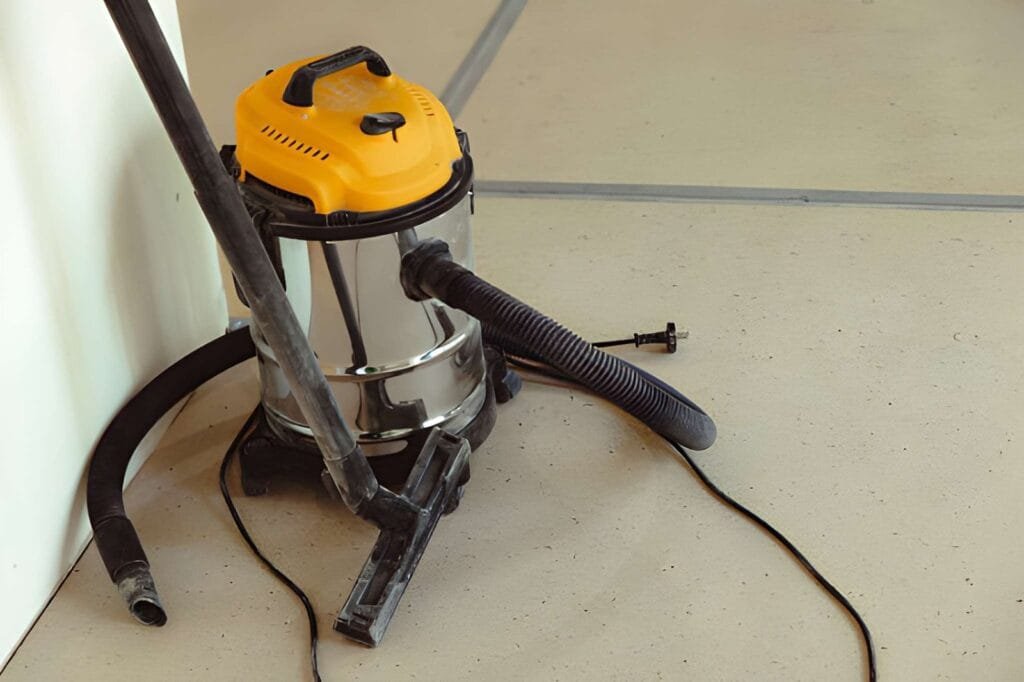
Wet dry vacuums have a strong motor that creates powerful suction. They come with a large tank to hold wet and dry waste. The tank is easy to empty and clean.
Most models have filters that protect the motor and trap dust. Some filters work for wet messes, others for dry. Many machines include different nozzles for varied surfaces.
The vacuum hose is flexible and long, helping reach tight spots. Many wet dry vacuums also have wheels for easy movement. Safety features often prevent electric shocks from liquids.
Types Of Wet Dry Vacuums
There are several types of wet dry vacuums. Portable ones are light and easy to carry. They work well for small jobs and quick cleanups.
Shop vacuums are larger and more powerful. They suit heavy-duty tasks in workshops or construction sites. Some models have extra tools like blowers or air compressors.
Battery-powered wet dry vacuums offer cordless convenience. They are good for places without easy access to electricity. Corded models provide longer use without recharging.
How Wet Dry Vacuums Work
Understanding how wet dry vacuums work helps to see their value. These machines clean both liquids and solids. Their design makes them different from regular vacuums. They use strong suction and special parts to handle wet and dry messes with ease.
Suction Mechanism
Wet dry vacuums use a motor to create suction. This suction pulls dirt, dust, and liquids into the vacuum. Inside, a fan spins fast, making air move quickly. The fast air creates a low-pressure area. This difference in pressure causes the vacuum to suck up debris.
The power of suction depends on the motor size and design. A stronger motor means better suction and faster cleaning. The vacuum’s hose and nozzle guide the suction to the mess.
Handling Liquids And Solids
Wet dry vacuums have a special tank to hold liquids and solids. The tank keeps liquids separate from the motor. This protects the vacuum from damage. Inside the tank, a filter stops solids from reaching the motor.
Filters can be changed depending on the cleaning task. Some vacuums use foam filters for wet messes. Others use paper or cloth filters for dry dirt. The vacuum collects everything safely in the tank for easy disposal.
Benefits Of Wet Dry Vacuums
Wet dry vacuums offer many benefits for cleaning tasks. They handle both wet spills and dry debris with ease. This makes them useful in homes, workshops, and cars. Their design saves time and effort in many cleaning situations.
These vacuums stand out because of their flexibility and power. They work well on different surfaces and messes. Their strong suction cleans faster and deeper than regular vacuums.
Versatility In Cleaning
Wet dry vacuums clean wet and dry messes. They pick up dust, dirt, and water spills. This versatility reduces the need for multiple cleaning tools. They work on carpets, floors, and even car interiors. Some models can also blow air to clear leaves or dust.
Efficiency And Power
These vacuums offer strong suction power for fast cleaning. They remove tough dirt and liquids quickly. Many models have large tanks to hold more debris. This means fewer stops to empty the vacuum. Their efficient design reduces cleaning time significantly.
Choosing The Right Wet Dry Vacuum
Choosing the right wet dry vacuum is important for effective cleaning. This tool handles both wet spills and dry debris, making it versatile. Picking the right one depends on your specific needs. Consider the size, power, and extra features to get the best fit.
Capacity And Size
Think about the tank size before buying. Larger tanks hold more dirt and water. This means fewer stops to empty the vacuum. Small tanks are easier to carry and store. Choose a size that matches the spaces you clean.
Power And Motor Strength
Power affects how well the vacuum picks up dirt. Strong motors clean tough messes faster. Check the motor’s wattage or amps for strength. Higher power means better suction and faster cleaning. Balance power with your need for quiet operation.
Additional Features
Extra features add convenience and improve use. Look for tools like hose attachments and filter types. Some models have wheels for easy movement. Automatic shut-off helps prevent overflow. Choose features that make cleaning easier for you.
Common Uses And Applications
Wet dry vacuums are versatile tools. They handle both liquid spills and dry debris. This makes them useful in many settings. Their strong suction and easy clean-up save time and effort. Below are common uses and applications of wet dry vacuums.
Home Cleaning
Wet dry vacuums help keep homes clean and tidy. They remove dust, dirt, and pet hair from floors and carpets. They quickly suck up spilled liquids, like water or juice. These vacuums can clean upholstery and curtains without damage. They also work well in basements or garages that get wet or dirty.
Workshop And Garage
In workshops, wet dry vacuums collect sawdust and metal shavings. They clean spills of oil, paint, or other liquids safely. These vacuums keep workspaces neat and reduce fire hazards. They help maintain tools and machines by removing debris and dust. Their sturdy design handles tough messes in garages and workshops.
Commercial Use
Businesses use wet dry vacuums for fast, effective cleaning. They clear up spills in restaurants, shops, and offices. These vacuums maintain cleanliness in hotels and schools. They handle large areas and heavy messes with ease. Their reliability helps keep commercial spaces safe and hygienic.
Maintenance Tips
Proper maintenance keeps your wet dry vacuum working well. It helps the machine last longer and clean better. Regular care prevents damage and saves money on repairs.
Filter Care
Clean the filter after every use. Remove dust and debris gently by tapping or washing. Replace the filter if it becomes worn or clogged. A clean filter keeps suction strong and prevents motor damage.
Tank Cleaning
Empty the tank after each use. Rinse it with water to remove dirt and residue. Dry the tank completely before storing. This stops bad smells and mold from growing inside.
Regular Inspection
Check hoses and attachments for cracks or blockages. Look at the power cord for any damage. Test the vacuum’s suction and listen for strange noises. Fix small issues early to avoid big problems later.
Safety Precautions
Using a wet dry vacuum can make cleaning easier and faster. Safety is very important to avoid accidents. Follow simple rules to keep yourself and the vacuum safe. Understanding safety helps you use the vacuum properly and protects your home.
Handling Wet Materials
Always check the vacuum is made for wet use. Avoid vacuuming large water puddles quickly. Start small and slowly remove water. Empty the tank often to stop overflow. Use gloves to protect your hands from dirty water. Do not vacuum sharp objects with water. They can damage the vacuum and cause leaks.
Electrical Safety
Unplug the vacuum before cleaning or fixing it. Keep the power cord away from water and wet surfaces. Avoid using the vacuum with a damaged cord or plug. Use a grounded outlet to reduce electric shock risk. Never touch the vacuum with wet hands. Keep the vacuum dry except for the tank area.
Proper Storage
Empty and clean the tank after each use. Let the vacuum dry completely to avoid mold. Store it in a dry, cool place. Coil the power cord loosely to prevent damage. Keep the vacuum away from children and pets. Regularly check for cracks or damage before storing.
Frequently Asked Questions
What Is A Wet Dry Vacuum Used For?
A wet dry vacuum cleans both liquid spills and dry debris. It works on floors, carpets, and hard surfaces. It is ideal for home, workshop, or garage use.
How Does A Wet Dry Vacuum Work?
It uses strong suction to pick up wet and dry messes. Liquids are stored in a sealed tank, while dry debris collects in a filter or bag.
Can A Wet Dry Vacuum Clean Water Spills?
Yes, it efficiently sucks up water and wet spills. It prevents water damage and speeds up cleanup after floods or leaks.
Is A Wet Dry Vacuum Better Than A Regular Vacuum?
For mixed wet and dry messes, yes. It handles liquids and solids, unlike regular vacuums that only clean dry debris.
Conclusion
A wet dry vacuum cleans both liquid and dirt easily. It saves time and effort in many tasks. This tool works well in homes, cars, and workshops. You can handle spills and dust with one machine. Choosing the right model helps you clean better.
Using a wet dry vacuum keeps spaces neat and safe. It offers simple and fast cleaning for many jobs. A wet dry vacuum is useful for everyday messes.