When you’re shopping for a vacuum cleaner, one question probably pops into your mind: what is a good suction power? You want a vacuum that can easily pick up dirt, dust, and pet hair without struggling or leaving a mess behind.
But understanding suction power can be confusing with all the numbers and terms thrown around. Don’t worry—this guide will help you figure out exactly what suction power means and how to choose the right one for your home. By the end, you’ll know how to find a vacuum cleaner that truly fits your needs and keeps your space spotless.
Keep reading to discover the key factors that make suction power good—and why it matters to you.
Suction Power Basics
Suction power is a key feature of any vacuum cleaner. It tells how strong the vacuum can pull dirt and dust. A good suction power means better cleaning results. Understanding suction power helps to choose the right vacuum for your needs.
Many people think higher suction power means better vacuum. But many factors affect cleaning, such as brush design and airflow. Still, suction power is an important number to know.
Measuring Suction Power
Suction power measures how much force the vacuum uses to pull air. It shows the vacuum’s ability to lift dirt from floors and carpets. Manufacturers test this in labs to give a clear number.
Tests often use a special device that measures the vacuum’s pull strength. This helps compare different models. Real-life results may vary, but these tests give a good idea.
Units And Metrics
Suction power is usually measured in air watts, pascals, or inches of water lift. Air watts show how much power moves air through the vacuum. Pascals and inches of water lift measure pressure created inside the vacuum.
Higher numbers mean stronger suction. For example, a vacuum with 100 air watts pulls stronger than one with 50 air watts. Knowing these units helps to understand vacuum specs and pick a good model.
Factors Affecting Suction
Suction power is not just one thing. It depends on many factors working together. These factors decide how well a vacuum cleaner cleans your home. Understanding them helps you pick the right vacuum. Here are the main factors that affect suction power.
Motor Strength
The motor is the heart of the vacuum cleaner. A strong motor pulls more air, creating better suction. Motors are measured in watts or amps. Higher numbers often mean better cleaning power. But strong motors can use more electricity and be louder.
Airflow Rate
Airflow rate is the amount of air the vacuum moves. It is measured in cubic feet per minute (CFM). High airflow helps lift dirt from floors and carpets. Good suction needs both strong motor and high airflow. Low airflow can make suction weak even with a strong motor.
Design And Filters
The vacuum’s design affects air movement inside. Narrow paths or blockages reduce suction. Clean filters help air flow freely. Dirty or clogged filters lower suction power. Some vacuums have special filters to trap dust but keep airflow steady.
Suction Power For Different Surfaces
Suction power varies depending on the surface you clean. Different floors and materials need different vacuum strengths. Knowing the right suction helps keep your home clean without wasting energy or damaging surfaces.
Hard Floors
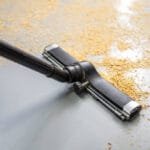
Hard floors like wood, tile, or laminate need moderate suction. Too much power can scatter dust and small debris. A vacuum with adjustable suction works best to protect the floor finish. Look for models that can switch to gentle mode for these surfaces.
Carpets And Rugs
Carpets need stronger suction to pull dirt from deep fibers. Thick rugs require even more power to remove dust and pet hair. Vacuums with higher air watts or suction pressure perform better here. Some machines have special brush rolls to loosen dirt while vacuuming.
Upholstery And Stairs
Upholstery and stairs call for lower suction to avoid damage. Strong suction might pull fabric or cause discomfort. Smaller vacuum tools with controlled suction work well for these spots. Lightweight and easy-to-handle designs help reach tight areas without strain.
Comparing Vacuum Types
Different vacuum cleaners have different suction powers. Knowing these differences helps you choose the best vacuum for your needs. Each type has pros and cons in suction strength and usability. Understanding these can save time and effort in cleaning.
Upright Vacuums
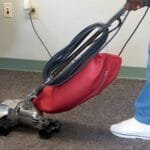
Upright vacuums usually have strong suction power. They work well on carpets and large floor areas. Their design lets you push and pull the vacuum easily. Many models come with adjustable settings for different surfaces. They are good for deep cleaning but can be heavy.
Canister Vacuums
Canister vacuums offer flexible use and good suction. They are lighter and easier to carry than upright models. Their long hoses help clean stairs, curtains, and corners. Suction power varies but often matches upright vacuums. They fit well in homes with mixed flooring types.
Stick And Handheld Models
Stick and handheld vacuums have moderate suction power. They are light and easy to move around. These models work best for quick cleanups and small messes. Battery life may limit cleaning time. They are perfect for hard floors and small rugs.
Robot Vacuums
Robot vacuums have lower suction power compared to other types. They clean floors automatically without much effort. These vacuums are good for daily maintenance and light dirt. Some models adjust suction based on floor type. Ideal for busy homes needing hands-free cleaning.
Choosing The Right Suction Power
Choosing the right suction power for a vacuum cleaner affects cleaning results. It depends on many factors like your home size, pets, and allergies. Picking the right power helps you clean better and saves energy. Understanding these points guides you to the best choice.
Home Size And Layout
Large homes need vacuum cleaners with stronger suction. More space means more dirt and dust to clean. Open layouts may need less suction than homes with many rooms. Small homes or apartments can use moderate suction power. Balance power with your home’s cleaning needs.
Pet Hair Considerations
Homes with pets require higher suction power. Pet hair sticks to carpets and furniture tightly. Strong suction picks up hair and dander more easily. Choose a vacuum made for pet owners. It helps keep your home cleaner and fresher.
Allergy And Dust Sensitivity
People with allergies need vacuums with good suction and filters. Strong suction removes dust, pollen, and allergens better. HEPA filters trap tiny particles that cause allergies. Lower suction may leave behind harmful dust. A powerful vacuum supports healthier air quality.
Maintaining Suction Performance
Maintaining strong suction power in a vacuum cleaner is key to effective cleaning. Over time, dust and debris can reduce its performance. Regular care keeps the vacuum working like new. This section explains simple steps to maintain suction power.
Cleaning Filters
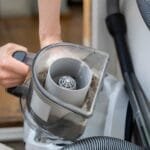
Filters trap dust and dirt inside the vacuum. Dirty filters block airflow and lower suction. Clean or replace filters often. Washable filters should dry completely before use. This keeps air flowing freely and suction strong.
Clearing Blockages
Hoses and nozzles can clog with hair or debris. Blockages stop air from passing through. Check these parts regularly. Remove any dirt or objects stuck inside. Clear paths allow smooth airflow and better suction.
Regular Maintenance Tips
Empty the dustbin or bag after each use. Check for cracks or loose parts. Keep brushes free of tangled hair. Store the vacuum in a dry place. Regular maintenance prevents problems and maintains good suction power.
Common Misconceptions
Many people think suction power is the only thing that matters in a vacuum cleaner. They assume higher power means better cleaning. This idea is not always true. Other factors like battery life and noise also play a big role. Understanding these common misconceptions helps you choose the right vacuum for your needs.
Higher Power Always Better
More suction power does not always mean better cleaning. Some vacuums have strong power but poor design. This causes them to miss dirt or clog easily. A balanced vacuum with good airflow and filters cleans better. Suction power is one factor, not the whole story.
Battery Life Vs Suction
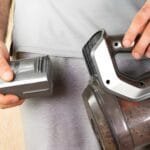
Strong suction uses more battery power. A vacuum with high suction may run for a short time. Some models lower suction to save battery. This helps clean longer without recharging. Choose a vacuum with good balance between power and battery life.
Noise Levels And Power
Vacuum cleaners with high suction often make more noise. Loud noise can be annoying and tiring. Some vacuums use technology to reduce sound without losing power. Quiet vacuums can clean well and keep noise low. Noise level matters for comfort during cleaning.
Future Trends In Suction Technology
Vacuum cleaner suction power is evolving fast. New technology makes cleaning easier and more efficient. Future suction systems will focus on smart features and better energy use. Expect motors to become stronger and quieter. These changes will improve how vacuums work in homes.
Smart Sensors
Smart sensors help vacuums adjust suction automatically. They detect floor type and dirt levels. This means the vacuum uses just the right power. Sensors also prevent damage to delicate surfaces. They make cleaning more precise and less wasteful.
Energy Efficiency
Energy-saving designs are key in future vacuums. New models use less electricity without losing suction. This lowers power bills and helps the environment. Efficient vacuums run longer on batteries too. Energy smart vacuums are becoming more common.
Advanced Motor Designs
Motor technology is improving quickly. Smaller, stronger motors will boost suction power. These motors run quietly and last longer. They reduce heat and energy loss during use. Better motors mean better cleaning results every time.
Frequently Asked Questions
What Suction Power Is Ideal For Carpet Cleaning?
A suction power between 2000 to 3000 Pascals is ideal for carpets. It lifts dirt and debris effectively without damaging fibers. Higher suction ensures deep cleaning, especially for thick or high-pile carpets.
How Does Suction Power Affect Vacuum Cleaner Performance?
Higher suction power increases cleaning efficiency by removing more dirt and dust. It enhances the vacuum’s ability to pick up fine particles and larger debris. However, balanced suction prevents motor strain and ensures longer vacuum life.
Is Higher Suction Power Always Better For Vacuum Cleaners?
Not always. Excessive suction can damage delicate surfaces and increase energy use. Optimal suction power depends on floor type and cleaning needs. Choose a vacuum with adjustable suction for versatile cleaning.
What Suction Power Suits Hardwood Floors Best?
For hardwood floors, moderate suction around 1500 to 2500 Pascals works well. It removes dust and debris without scratching the surface. Gentle suction prevents scattering dirt and protects the floor finish.
Conclusion
Good suction power helps your vacuum clean well and save time. Too weak suction may leave dirt behind. Too strong suction can use more energy and may not be needed for light cleaning. Find a balance that fits your home and floor type.
Check vacuum specs and customer reviews before buying. This way, you get the right power for your needs. Clean floors feel better and last longer with proper suction. Choose wisely and enjoy a cleaner home every day.