Have you ever noticed your dog acting scared or angry whenever you bring out the vacuum? You’re not alone.
Many dogs seem to hate vacuums, and it can turn a simple cleaning task into a stressful event for both of you. But why does this happen? Understanding the reasons behind your dog’s fear or dislike can help you make vacuum time easier and less stressful.
Keep reading to discover the surprising reasons your dog reacts this way—and what you can do about it.
Noise Sensitivity
Dogs have very sensitive hearing. Loud and strange sounds can scare them. Vacuum cleaners produce noises that many dogs find upsetting. This noise sensitivity is a main reason dogs dislike vacuums.
How Vacuum Sounds Affect Dogs
Vacuums make a strong, continuous sound. Dogs hear this noise much louder than humans do. The sound can feel threatening or stressful to them. This causes anxiety and fear. Some dogs may bark or hide to escape the noise.
Frequency And Volume Impact
Vacuum sounds have high frequency tones. Dogs hear these frequencies more sharply than we do. The volume is also very loud for dogs. Loud, high-pitched sounds can hurt their ears. This makes vacuums uncomfortable and scary for many dogs.
Unfamiliar Movement
Dogs often dislike vacuums due to their strange and unpredictable movements. These machines move in ways dogs do not understand. The unfamiliar actions can make dogs feel uneasy or scared. This confusion can lead to a strong dislike or even fear of vacuums.
Vacuum’s Erratic Motions
Vacuums do not move smoothly or in straight lines. They stop, start, and change directions suddenly. This erratic movement can confuse dogs. Dogs like to predict what will happen next. The vacuum’s strange path makes this impossible. It looks like a small, noisy creature moving without control.
Triggering Chase Or Fear Responses
Dogs may see the vacuum as something to chase or avoid. The sudden changes in movement can trigger their natural instincts. Some dogs want to chase and catch it. Others feel threatened and try to hide. The vacuum’s odd motions activate these ancient survival responses. This explains why many dogs react strongly to vacuums.
Negative Past Experiences
Negative past experiences can cause dogs to fear vacuums. These memories shape their reactions. Dogs remember loud noises and sudden movements. Such events can make them anxious or scared around vacuum cleaners.
Associations With Loud Appliances
Dogs often link loud sounds with danger. Vacuum cleaners make a strong, noisy sound. This noise can remind dogs of other loud machines. These associations create fear or stress. The sound alone can trigger a negative reaction.
Trauma Or Startle Reactions
Some dogs may have been startled by vacuums. A vacuum moving quickly can surprise them. This sudden movement can feel threatening. If a dog had a bad experience, it may avoid vacuums. The fear lasts and grows stronger over time.
Territorial Behavior
Dogs are very protective of their homes. They see the house as their own space. Anything new or strange can feel like a threat. This makes them react strongly to unusual objects. The vacuum cleaner is one such object. It moves around and makes noise. This triggers dogs’ territorial behavior. They want to protect their space from this strange machine.
Perceived Threat To Space
The vacuum cleaner moves quickly and unpredictably. Dogs do not understand it is harmless. They see it as an intruder. This intruder invades their safe area. Dogs feel uneasy and alert. Their space is being taken over. This causes them to bark or try to chase the vacuum. It is their way to defend their territory.
Protective Instincts Activated
Dogs have strong instincts to guard their home. The vacuum’s noise and movement activate these instincts. They want to keep their family and property safe. This leads to aggressive or fearful behavior. Dogs may growl or hide. These reactions show how deeply they care about their space. The vacuum is seen as a rival to fight off.
Sensory Overload
Dogs experience sensory overload when a vacuum cleaner runs nearby. Their senses become overwhelmed by loud noise and quick movements. This overload can make them feel scared and confused. Understanding sensory overload helps explain why dogs often dislike vacuums.
Combined Effect Of Sound And Movement
Vacuum cleaners produce a strong, loud sound that dogs find unsettling. The noise is sharp and high-pitched, which can hurt their sensitive ears. Along with the sound, the vacuum moves quickly across floors. This fast, unpredictable movement catches a dog’s attention and increases their stress. The mix of loud noise and sudden motion creates a confusing scene for dogs. They cannot predict what the vacuum will do next, which adds to their fear.
Stress And Anxiety Signs In Dogs
Dogs show many signs when they feel stressed by vacuums. They may bark loudly or growl to warn the vacuum away. Some dogs try to run and hide in safe spots. Others might freeze in place, unsure of how to react. You may notice trembling, panting, or licking lips often. These behaviors tell you the dog is anxious. Recognizing these signs helps you protect your pet from sensory overload.
Tips To Reduce Fear
Many dogs feel scared of vacuums. Loud noise and fast movement can upset them. Reducing this fear helps your dog feel calm. Try simple steps to make vacuums less scary for your dog.
Gradual Desensitization
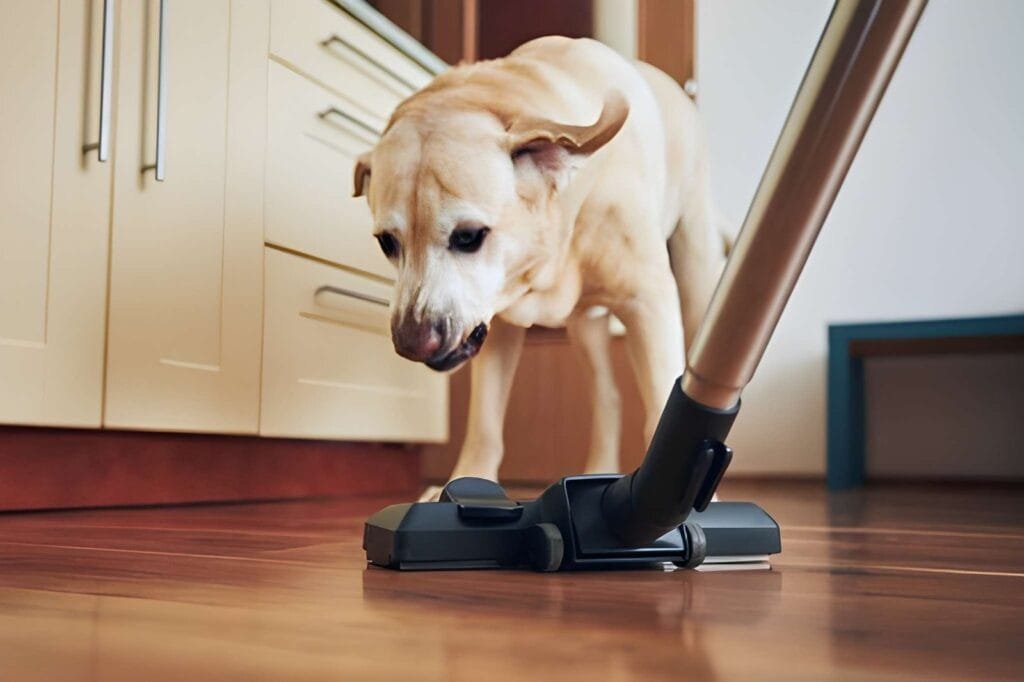
Start by letting your dog see the vacuum when it is off. Let them sniff and explore it. Turn it on for a few seconds from far away. Slowly get closer over days or weeks. This helps your dog get used to the noise and movement.
Positive Reinforcement Techniques
Use treats and praise when your dog stays calm near the vacuum. Reward calm behavior right away. This teaches your dog the vacuum is not a threat. Keep treats handy during vacuum time. Make cleaning a good experience for your dog.
Safe Spaces During Cleaning
Create a quiet spot for your dog to relax. Use a room far from the vacuum noise. Add their bed, toys, and water. Let your dog go there before you start cleaning. This safe space gives them comfort and reduces stress.
Frequently Asked Questions
Why Are Dogs Scared Of Vacuum Cleaners?
Dogs find vacuum cleaners loud and unpredictable. The noise and movement trigger their fight-or-flight response, causing fear and anxiety. Vacuums also emit strange vibrations and smells, which confuse dogs and make them uneasy around the machine.
How Can I Help My Dog Tolerate The Vacuum?
Introduce the vacuum gradually while rewarding calm behavior. Start by placing the vacuum off and near your dog. Slowly turn it on at a distance, pairing it with treats. Patience and positive reinforcement help reduce your dog’s fear over time.
Do All Dog Breeds Dislike Vacuums?
Not all breeds dislike vacuums, but many do. Sensitivity to noise and movement varies by breed and individual dog. Some dogs may be curious or indifferent, while others react with fear or aggression toward vacuum cleaners.
Can Vacuum Fear Cause Behavioral Issues In Dogs?
Yes, vacuum fear can cause stress-related behaviors. Dogs might bark, growl, or hide to avoid the vacuum. Chronic anxiety from vacuum exposure can lead to destructive habits or reluctance to enter certain rooms.
Conclusion
Dogs dislike vacuums because of their loud noise and sudden movement. These sounds can scare dogs and make them feel unsafe. Their sensitive hearing makes vacuums even more upsetting. Many dogs see vacuums as a threat or something strange. Understanding this helps owners be patient and calm.
Giving dogs space and comfort during cleaning can reduce stress. Over time, dogs may learn to accept the vacuum’s presence. Patience and gentle training work best to ease their fear. This way, both dogs and owners can live happily together.