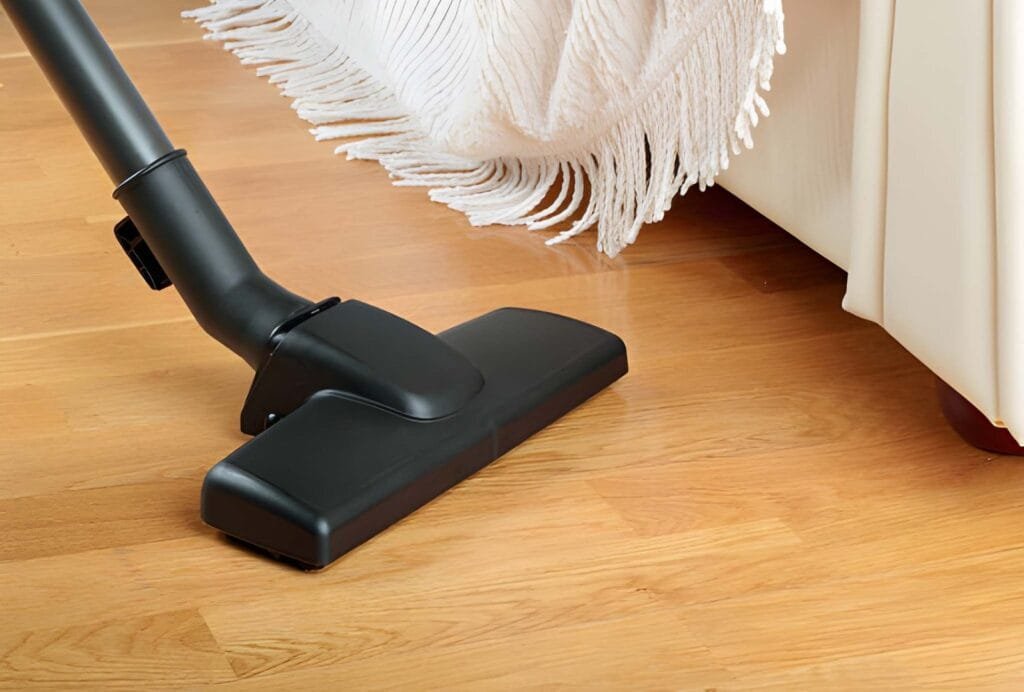
Are you wondering if vacuuming your hardwood floors is safe? You want to keep your floors clean without causing any damage.
But with so many vacuum cleaners on the market, it’s hard to know which ones are right for hardwood. You’ll discover the best ways to vacuum your hardwood floors effectively and protect their beautiful finish. Keep reading to learn simple tips that will save your floors and make cleaning easier than ever.
Choosing The Right Vacuum
Choosing the right vacuum for hardwood floors is important. The wrong vacuum can scratch or damage your wood. The right vacuum cleans well without hurting the surface. It keeps your floors shiny and healthy for years. Let’s explore what types work best and what features to check.
Vacuum Types Suitable For Hardwood
Stick vacuums are light and easy to move on hardwood. They often come with soft bristles to protect floors. Canister vacuums offer strong suction with gentle brushes. Robot vacuums work well for daily dust and dirt. Avoid vacuums with beater bars or stiff brushes. These can leave scratches or marks on wood.
Features To Look For
Soft brush rolls are a must for hardwood floors. Adjustable suction helps prevent damage on delicate wood. A vacuum with a hard floor setting is ideal. Lightweight design reduces strain and allows easy cleaning. Look for models with good dust filters to keep air clean. A wide cleaning path saves time on larger rooms.
Avoiding Common Vacuum Mistakes
Never use a vacuum with a rotating beater bar on hardwood. It can scratch and dull the finish fast. Don’t drag a vacuum harshly across the floor. Lift it gently to avoid scratches. Avoid vacuums that leave rubber marks or streaks. Clean the vacuum brushes regularly to stop dirt buildup. These steps keep your floors looking new longer.
Preparing Hardwood Floors For Vacuuming
Preparing hardwood floors for vacuuming helps protect the wood and keeps your floors clean. Small steps before vacuuming ensure no damage occurs. It also improves vacuuming results by removing loose dirt and debris.
Clearing Debris And Dust
Start by removing large debris from the floor. Use a broom or a dry mop to sweep up crumbs and dust. This prevents scratches caused by hard particles during vacuuming. Dust can also clog the vacuum, making it less effective.
Focus on corners and edges where dust collects. Clear these areas well before vacuuming the whole floor. This step makes the vacuuming process smoother and safer for your hardwood.
Checking For Damage Or Loose Boards
Look closely for cracks, splinters, or loose boards on your floor. Damaged areas need repair before vacuuming. A loose board can shift under the vacuum, causing more harm.
Fix or secure any loose boards. Avoid vacuuming directly over damaged spots. This keeps your hardwood safe and extends its life.
Vacuuming Techniques For Hardwood
Vacuuming hardwood floors needs care to keep them clean and safe. Using the right techniques helps avoid scratches and damage. It also makes your cleaning quick and effective. Follow these simple tips for vacuuming hardwood floors the right way.
Adjusting Vacuum Settings
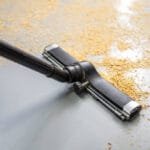
Start by checking your vacuum’s settings. Many vacuums have a hard floor or low pile mode. Use this to turn off the beater bar. The spinning brush can scratch wood surfaces. Lower the suction power if possible to protect your floor finish. Always keep the vacuum head flat on the floor to avoid dents.
Using Attachments Safely
Use soft brush attachments for corners and edges. These brushes remove dust without scratching. Avoid metal or stiff bristles that can harm the wood. Use a hose attachment to clean tight spaces and baseboards. This keeps your floor safe from accidental scratches.
Best Vacuuming Patterns
Vacuum in the direction of the wood grain. This reduces the chance of scratches and picks up dirt better. Move the vacuum slowly and steadily. Overlap each pass to ensure no spot is missed. Finish with a gentle wipe using a microfiber cloth for extra shine.
Protecting Hardwood Floors During Cleaning
Cleaning hardwood floors needs care and attention. Using the right tools protects the wood from damage. Dust and dirt can harm the floor’s surface if not removed properly.
Vacuuming is a good way to clean hardwood floors. But the vacuum must be safe for wood. Using the wrong vacuum can cause scratches or dents. Protecting hardwood floors during cleaning keeps them looking new longer.
Preventing Scratches And Dents
Choose a vacuum with a soft brush or a hard floor setting. Avoid vacuums with beater bars or rotating brushes. These parts can scratch the floor. Check the vacuum wheels too. Soft rubber wheels are best to stop dents.
Move the vacuum gently and avoid pushing it hard. Dirt stuck under the vacuum can also scratch. Clean the vacuum brush and wheels often. This stops dirt build-up and protects the floor.
Maintaining Floor Finish
Use cleaning tools made for hardwood floors. Avoid harsh chemicals or water pools. Water can damage the wood and finish. Use a damp mop or special wood floor cleaner.
After vacuuming, check the floor finish. If it looks dull, use a polish made for hardwood floors. This keeps the shine and protects the wood surface.
Regular Maintenance Tips
Clean floors often to avoid dirt build-up. Sweep or vacuum at least twice a week. Place mats at doorways to catch dirt and grit. Use furniture pads under chairs and tables.
Fix spills quickly to stop water damage. Keep nails trimmed to avoid scratches. Regular care helps hardwood floors stay beautiful and last many years.
Alternatives To Vacuuming Hardwood Floors
Vacuuming hardwood floors can sometimes be harsh on the wood surface or finish. Many people prefer gentler cleaning methods that still keep floors clean and looking great. Several alternatives work well for hardwood floors, helping to remove dust and dirt without damage.
Using Microfiber Mops
Microfiber mops are soft and gentle on wood floors. They attract dust and dirt without scratching the surface. These mops pick up fine particles that brooms may miss. Using a dry microfiber mop can quickly remove dust. For a deeper clean, slightly dampen the mop with water or a wood-safe cleaner. Microfiber mops are easy to use and maintain. They also help prevent streaks and residue on floors.
Sweeping And Dusting Methods
Sweeping with a soft-bristle broom is a classic way to clean hardwood floors. It removes loose dirt and debris gently. Dust mops with cotton or microfiber heads are another option. They glide smoothly over the floor and trap dust effectively. Regular sweeping or dusting prevents grit buildup that can scratch wood. Use a dustpan to collect debris carefully. These methods keep floors clean without the noise or wear of vacuuming.
Frequently Asked Questions
Can You Use A Vacuum On Hardwood Floors?
Yes, you can vacuum hardwood floors safely. Use a vacuum with a soft-bristle brush or hardwood floor setting. Avoid vacuums with beater bars as they may scratch the surface. Regular vacuuming helps remove dust and debris without damaging the wood.
What Vacuum Features Are Best For Hardwood Floors?
Look for vacuums with adjustable suction, soft brush rolls, and no beater bars. Lightweight models offer better control and reduce risk of scratching. HEPA filters are a plus for trapping fine dust. These features protect hardwood floors while ensuring effective cleaning.
How Often Should Hardwood Floors Be Vacuumed?
Vacuum hardwood floors at least once a week to prevent dirt buildup. High traffic areas may need vacuuming more frequently. Regular cleaning protects the finish and extends the floor’s lifespan. Combine vacuuming with occasional damp mopping for best results.
Can Vacuuming Damage Hardwood Floors?
Vacuuming won’t damage hardwood floors if done correctly. Avoid using vacuums with hard or rotating brushes that scratch wood. Always use the right attachment and gentle settings. Proper vacuuming keeps floors clean without harming the surface.
Conclusion
Vacuuming hardwood floors helps keep them clean and free from dust. Choose a vacuum with a soft brush or hardwood setting. Avoid vacuums with rotating beater bars that can scratch floors. Regular cleaning protects your floor’s finish and extends its life.
Simple care makes your hardwood look fresh and beautiful. Keep vacuuming gentle and frequent for the best results. Your floors will thank you with lasting shine and strength.