
Are you thinking about getting a robot vacuum cleaner to make your cleaning easier? Before you take the plunge, it’s important to know that these handy gadgets aren’t perfect.
While they promise convenience, there are some hidden downsides that might surprise you. Understanding these disadvantages can help you avoid frustration and make a smarter choice for your home. Keep reading to find out what challenges you might face with a robot vacuum cleaner and whether it’s really the right fit for your cleaning needs.
Limitations In Cleaning
Robot vacuum cleaners offer convenience but have limits in cleaning performance. They cannot replace traditional vacuuming for every task. Understanding these limits helps set the right expectations.
Some surfaces are difficult for robot vacuums to clean well. Their design and suction power have restrictions. Dirt may remain on certain floor types after a cleaning cycle.
Ineffectiveness On Certain Surfaces
Robot vacuums often struggle on thick carpets or rugs. Their small wheels and low suction make deep dirt removal tough. Hard floors with uneven textures also pose problems.
Sticky messes and wet spills are not handled by most models. They focus mainly on dry dust and debris. This limits their use in messy areas like kitchens.
Challenges With Corners And Edges
Robot vacuums find it hard to clean corners and edges thoroughly. Their round shape prevents full access to tight spots. Dust and crumbs can build up in these areas.
Brushes may not reach deep into narrow gaps. Manual cleaning is still needed to keep corners spotless. This reduces the overall cleaning efficiency.
Struggles With Deep Cleaning
Robot vacuums clean surface dirt but miss deep embedded dust. They do not replace heavy-duty vacuum cleaners. Pet hair and fine particles can remain trapped in fibers.
Regular vacuuming or spot cleaning is necessary for thorough hygiene. Robot vacuums work best as a daily maintenance tool. They help keep floors tidy but not perfectly clean.
Credit: www.choice.com.au
Technical Issues
Robot vacuum cleaners bring convenience but come with technical issues. These problems can affect their performance and your cleaning routine. Understanding these issues helps manage expectations and improve usage.
Battery Life Constraints
Most robot vacuums run on rechargeable batteries. These batteries last for a limited time before needing a recharge. Short battery life can interrupt cleaning tasks. Some models may not finish large areas on one charge. Over time, battery capacity can decrease. This means shorter cleaning sessions and more frequent charging.
Navigation And Mapping Errors
Robot vacuums use sensors to move around your home. Sensors can get confused by dark floors or shiny surfaces. This causes the vacuum to miss spots or bump into objects. Mapping technology is not perfect either. Some vacuums forget room layouts after power off. This leads to inefficient cleaning paths and repeated areas.
Frequent Maintenance Needs
Robot vacuums need regular cleaning to work well. Dustbins fill quickly and must be emptied often. Brushes and wheels can get tangled with hair or debris. Sensors require wiping to stay accurate. Neglecting maintenance can reduce vacuum life and cleaning quality. Routine care is necessary for smooth operation.
Cost Considerations
Robot vacuum cleaners offer convenience but come with cost concerns. Understanding these costs helps you decide if it fits your budget.
Owning a robot vacuum means spending more than just the purchase price. There are ongoing expenses to consider.
High Initial Investment
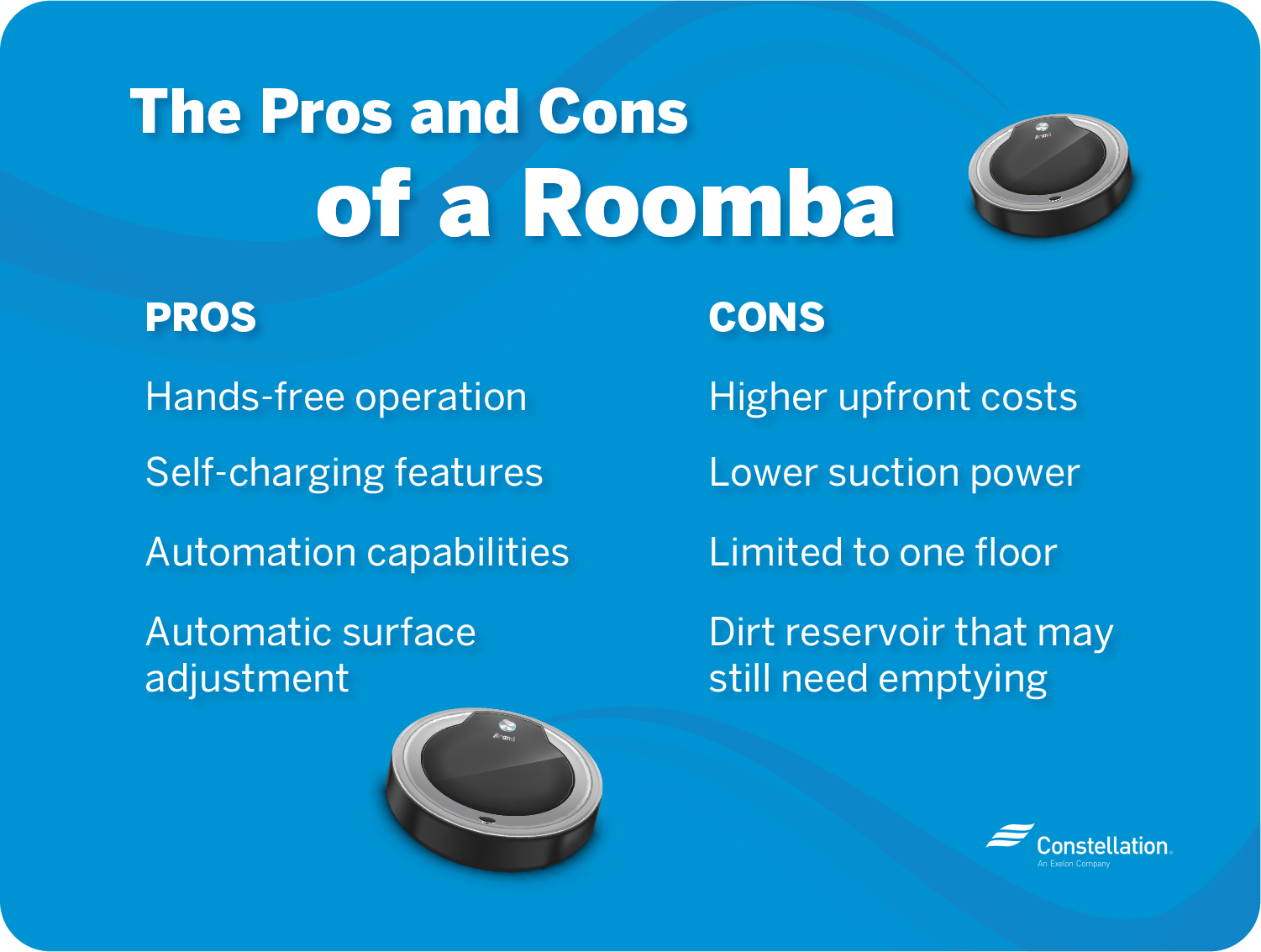
Robot vacuum cleaners often cost more than traditional vacuums. Prices vary by brand and features but usually start high. A basic model can still be costly for some budgets.
This initial cost may deter many from buying. The price reflects the technology and convenience packed into the device.
Repair And Replacement Expenses
Repairs for robot vacuums can be expensive. Broken sensors, batteries, or brushes add to maintenance costs. Not all parts are easy to replace or cheap.
Over time, battery life drops, requiring replacement. This adds to the total cost of ownership. Regular upkeep is necessary to keep it running well.
Credit: blog.constellation.com
Impact On Home Environment
Robot vacuum cleaners offer convenience but affect the home environment in some ways. They change the usual quiet and calm atmosphere of a home. These changes can be small but noticeable. Understanding these effects helps users manage them better.
Noise Levels
Robot vacuum cleaners produce noise during operation. The sound can disturb people resting or working at home. Some models are louder than others. Noise varies with the floor type and vacuum settings. Continuous noise might cause discomfort or stress for some family members. Pets may also react negatively to the vacuum’s sound.
Potential Damage To Furniture And Objects
Robot vacuums can bump into furniture or objects. This may cause scratches or dents over time. Lightweight items might get knocked over or moved. Fragile decorations are at risk during cleaning cycles. Some vacuums struggle with tight spaces, increasing collision chances. Careful placement of furniture can reduce these risks.
User Experience Challenges
User experience challenges can affect how much you enjoy a robot vacuum cleaner. These devices are meant to make cleaning easier. Yet, some issues can make them less user-friendly. Understanding these problems helps set the right expectations.
Setup Complexity
Setting up a robot vacuum can be tricky for some users. It often requires connecting to Wi-Fi and using a smartphone app. This process can confuse people who are not tech-savvy. Instructions may be unclear or too technical. Problems during setup might stop the vacuum from working properly. This creates frustration before the device even starts cleaning.
Limited Customization Options
Most robot vacuums offer only basic settings. Users cannot fully control cleaning patterns or schedules. Custom zones or no-go areas might not be adjustable. This limits how well the vacuum fits individual home needs. Some models lack options for different floor types. The lack of flexibility can reduce cleaning efficiency and user satisfaction.
Privacy And Security Concerns
Robot vacuum cleaners offer great convenience but raise privacy and security concerns. These devices often collect data about your home and habits. This data can include maps of your rooms and cleaning schedules. Such information may be stored on cloud servers or shared with third parties. Privacy risks come from how this data is handled and protected.
Data Collection Risks
Robot vacuums gather detailed information about your living space. This data helps the device clean efficiently but may expose personal details. Some models track when and where the vacuum cleans. This creates a digital record of your daily routines. If this data leaks, it could harm your privacy. Not all companies explain how they use or store data clearly. Users might unknowingly share sensitive information.
Vulnerability To Hacking
Robot vacuums connect to Wi-Fi networks for remote control. This connection opens a door for hackers. Cybercriminals may access the vacuum and the network it uses. Hackers can spy on your home or steal information. Weak passwords or outdated software increase these risks. Regular updates and strong security settings reduce vulnerability. Still, the risk of hacking remains a concern for many users.
Frequently Asked Questions
What Are Common Problems With Robot Vacuum Cleaners?
Robot vacuum cleaners often struggle with thick carpets and high thresholds. They may get stuck on cords or small objects. Battery life limits cleaning time, requiring frequent recharging. Sensors can fail, causing navigation errors or missed spots during cleaning sessions.
Do Robot Vacuums Clean As Thoroughly As Traditional Vacuums?
Robot vacuums usually clean less deeply than traditional models. Their smaller size limits suction power and brush effectiveness. They excel at daily maintenance but may miss debris in corners or under furniture. Regular deep cleaning with a traditional vacuum is still recommended.
Are Robot Vacuum Cleaners Noisy During Operation?
Most robot vacuums produce moderate noise, similar to a quiet conversation. Noise levels vary by model and suction settings. Some users find them less noisy than traditional vacuums, while others may find the sound disruptive, especially during nighttime cleaning.
How Often Do Robot Vacuums Need Maintenance?
Robot vacuums require regular maintenance to perform well. Brushes should be cleaned weekly to avoid hair buildup. Dustbins need emptying after each use. Sensors and wheels also require periodic cleaning to prevent errors and ensure smooth navigation.
Conclusion
Robot vacuum cleaners offer convenience but come with some downsides. They may miss spots or get stuck easily. Battery life can limit cleaning time. Maintenance and repairs might be costly. Some models struggle with thick carpets or cluttered rooms. Noise can disturb quiet spaces.
Still, understanding these flaws helps you decide if they fit your home. Choose wisely based on your needs and budget. Balance convenience with these challenges before buying.


