Are you tired of spending your free time pushing a heavy vacuum around your home? You’ve probably wondered, “Do robot vacuum cleaners really work?” It sounds like a dream—set it and forget it, while your floors get cleaned automatically.
But does it actually live up to the hype? You’ll discover how these smart devices handle your mess, whether they’re worth the investment, and what you need to know before bringing one into your home. Keep reading, because the answer might change the way you clean forever.
How Robot Vacuums Operate
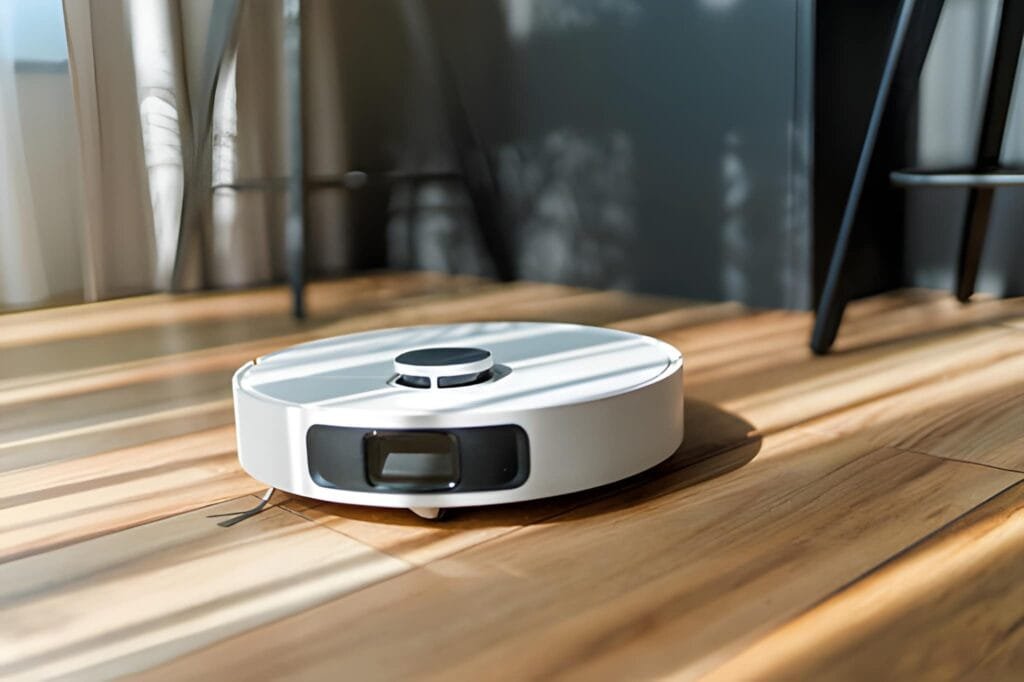
Robot vacuum cleaners have changed how people clean their homes. They work on smart technology to clean floors without much help. Understanding how these vacuums operate helps to know their benefits and limits.
These devices use several systems to move around, pick up dirt, and keep working for a long time. Each part plays an important role in making robot vacuums useful and easy to use.
Navigation And Mapping Techniques
Robot vacuums use sensors to detect obstacles and walls. Some models create maps of the room for better cleaning paths. They avoid stairs and furniture to prevent damage. These vacuums remember where they cleaned to cover the whole area. They move in straight lines or patterns to clean efficiently.
Cleaning Mechanisms
Most robot vacuums have brushes that sweep dirt into a vacuum path. They use suction to pick up dust, hair, and small debris. Some models have side brushes to clean edges and corners. Filters inside trap dust and allergens to improve air quality. The cleaning power varies by model but works well on hard floors and carpets.
Power And Battery Life
Robot vacuums run on rechargeable batteries. Battery life varies from 60 to 120 minutes on average. Some models return to the charging dock automatically when low. After charging, they continue cleaning where they left off. Efficient battery use helps cover large areas without stopping often.
Effectiveness On Different Surfaces
Robot vacuum cleaners have different levels of success on various floor types. Some surfaces are easier for these devices to clean. Others need more power or special features. Understanding how robot vacuums work on each surface helps you choose the right model. It also sets realistic expectations about cleaning results.
Carpets And Rugs
Robot vacuums handle low-pile carpets fairly well. They can pick up dust and small debris easily. Thick or high-pile rugs can slow down the vacuum. Some models struggle to move over very soft carpets. Strong suction power and brush rolls improve cleaning on carpets. Regular maintenance of the vacuum keeps it working well on rugs.
Hardwood And Tile Floors
Hardwood and tile floors are the easiest surfaces for robot vacuums. They glide smoothly and clean dust and dirt effectively. Many models have sensors to avoid slipping on stairs or wet areas. Soft brushes and strong suction prevent scratches on wood floors. For tile, robot vacuums pick up fine dust and crumbs quickly.
Pet Hair Removal
Pet hair is a common problem in many homes. Robot vacuums with strong suction and tangle-free brushes work best. They can remove hair from floors and carpets. Some models include special filters to trap allergens and dander. Frequent cleaning of the vacuum brush prevents hair buildup. This keeps the vacuum running at peak performance.
Pros Of Robot Vacuum Cleaners
Robot vacuum cleaners offer many advantages that make cleaning easier and faster. They help keep your home tidy without much effort. These devices bring several benefits that fit well into busy lifestyles and modern homes.
Time-saving Benefits
Robot vacuums clean floors automatically, saving you hours. They work while you do other tasks or relax. No need to spend time pushing a vacuum around. This frees up your day for more important things.
Convenience And Automation
These vacuums start cleaning with just one button or a schedule. They move on their own, avoiding obstacles and furniture. You do not have to watch or guide them. Their automation makes house cleaning less stressful and more efficient.
Smart Home Integration
Many robot vacuums connect to smart home systems. You can control them using your phone or voice commands. They fit well with devices like Alexa or Google Home. This adds ease and flexibility to your cleaning routine.
Common Limitations To Consider
Robot vacuum cleaners offer convenience but have some common limits to know. These limits affect how well they clean and how easy they are to use. Understanding these points helps set real expectations before buying.
Navigation Challenges
Robot vacuums use sensors to move around. They can struggle with clutter or tight spaces. Sometimes they get stuck under furniture or miss corners. Stairs are a big problem since they cannot climb or clean them. Rugs with fringes or thick piles may also confuse their path.
Cleaning Power Compared To Traditional Vacuums
Robot vacuums are smaller and lighter. Their suction is usually weaker than regular vacuums. They work well on hard floors but can miss deep dirt in carpets. Larger debris may not be picked up properly. For heavy cleaning, a traditional vacuum still works better.
Maintenance And Upkeep
Robot vacuums need regular care to work well. Dustbins must be emptied often to keep suction strong. Brushes and sensors need cleaning to avoid blockages. Batteries lose power over time and must be replaced. Skipping maintenance reduces performance and device life.
Choosing The Right Model
Choosing the right robot vacuum cleaner can save time and effort. Different models suit different homes and needs. Understanding key factors helps pick a vacuum that cleans well and lasts long.
Features To Look For
Check the vacuum’s cleaning modes. Some models work better on carpets, others on hard floors. Battery life matters for large rooms. Sensors help avoid obstacles and stairs. A good dustbin size means less emptying. Some have smart mapping for efficient cleaning.
Budget Considerations
Robot vacuums come in many prices. Basic models fit small spaces and simple cleaning tasks. Mid-range options offer better cleaning and features. High-end vacuums provide advanced navigation and longer battery life. Choose a model that fits your budget but meets your needs.
Brand Reputation
Trust well-known brands for quality and support. Check customer reviews for reliability and performance. Brands with good warranties show confidence in their products. Avoid unknown brands with little feedback. A strong brand often means better parts and service.
Real User Experiences
Real user experiences offer clear insight into how robot vacuum cleaners perform daily. People share honest thoughts about their benefits and limits. This feedback helps others decide if these devices fit their homes.
Success Stories
Many users praise robot vacuums for saving time. They enjoy coming home to clean floors without extra effort. Some find these vacuums great for pet hair removal. People with busy schedules feel less stressed about cleaning. Small apartments and homes with hard floors benefit the most.
Common Complaints
Some users report issues with navigation. Robot vacuums can get stuck on rugs or cords. Battery life sometimes falls short for larger homes. Noise levels bother a few owners during cleaning. A few find the cleaning power less strong on thick carpets.
Tips From Owners
Keep floors clear of small objects to avoid jams. Regularly clean the brushes and sensors for best results. Schedule vacuuming during times you are not home. Use boundary markers to stop the vacuum from entering unwanted areas. Combine robot vacuuming with occasional deep cleaning for better results.
Frequently Asked Questions
Do Robot Vacuum Cleaners Effectively Clean Different Floor Types?
Yes, robot vacuums clean various floors like hardwood, tile, and low-pile carpet efficiently. Some models adjust suction power automatically for optimal cleaning.
How Often Should I Use A Robot Vacuum Cleaner?
Using a robot vacuum daily or several times a week keeps floors consistently clean. Frequency depends on your home size and dirt levels.
Can Robot Vacuums Reach Tight Corners And Edges?
Most robot vacuums struggle with tight corners but have edge-cleaning brushes. They clean along walls well but may miss deep corners.
Are Robot Vacuum Cleaners Good For Pet Hair Removal?
Yes, many robot vacuums are designed to pick up pet hair effectively. Look for models with strong suction and tangle-free brushes.
Conclusion
Robot vacuum cleaners can help keep floors clean with less effort. They work best on hard floors and low-pile carpets. Some models handle pet hair and small debris well. They save time but may miss corners or need occasional help.
Regular maintenance keeps them working smoothly. Choosing the right model depends on your needs and budget. Many find them useful for daily cleaning tasks. They are not perfect but offer good convenience. Consider your home’s layout before buying one. Overall, robot vacuums can be a helpful cleaning tool.