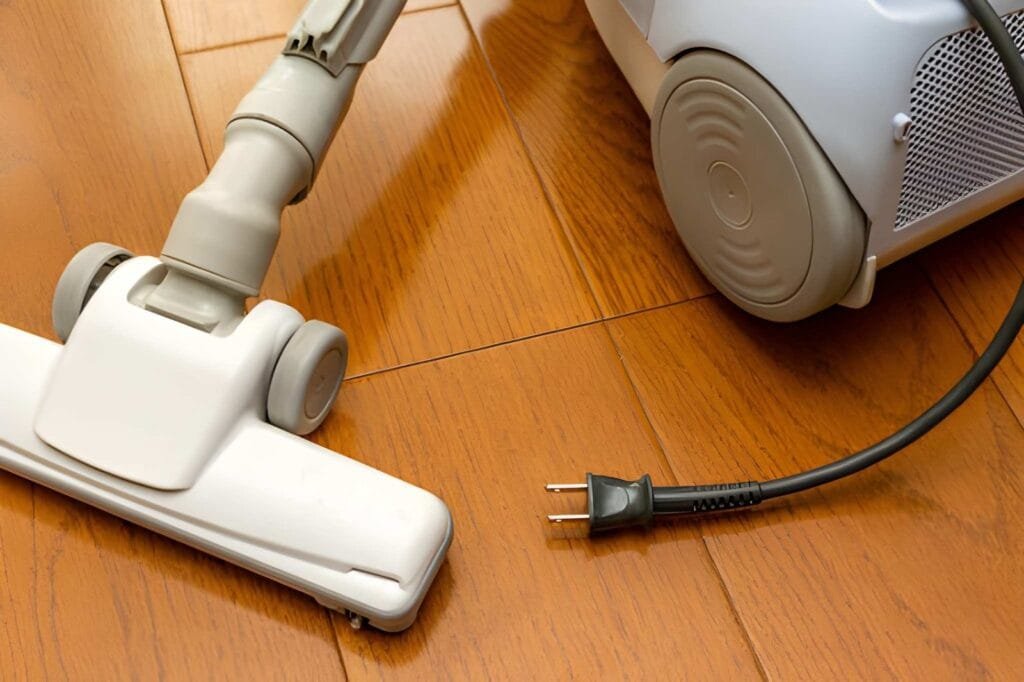
Have you ever wondered how much electricity your vacuum cleaner actually uses? Knowing how many amps your vacuum pulls can help you save energy, avoid tripping breakers, and choose the right vacuum for your home.
You’ll discover simple facts about vacuum amps that anyone can understand. By the end, you’ll feel confident about your vacuum’s power needs and how it impacts your electric bill. Keep reading to uncover the surprising truth behind your vacuum’s energy use!
Vacuum Power Basics
Understanding how much power a vacuum cleaner uses starts with the basics. Power is the key factor that tells us how strong a vacuum is and how much electricity it needs. Knowing this helps you choose the right vacuum for your home and prevents overloading your electrical outlets.
Vacuum power is often shown in watts or amps. Both numbers tell you about the vacuum’s energy use but in different ways. Let’s break down what these terms mean and why amps are important for your vacuum’s performance.
Watts Vs. Amps
Watts measure the total power a vacuum uses. It shows how much energy it needs to run. Amps measure the electric current flowing through the vacuum. It tells you how much electricity the vacuum pulls from the outlet.
Watts are often used on vacuum labels to show power. Amps are used more in electrical terms to check safety. Both are connected by a simple formula: Watts = Volts x Amps. This means if you know two values, you can find the third.
Why Amps Matter
Amps matter because they affect your home’s electrical system. Higher amps mean more current flow. This can cause circuit breakers to trip if overloaded.
Knowing the amps your vacuum uses helps prevent electrical problems. It also guides you in choosing the right outlet. Amps give a clear idea of the vacuum’s energy demand.
Typical Amp Ratings For Vacuums
Understanding the typical amp ratings for vacuums helps you choose the right model. Amp rating shows how much electrical current a vacuum uses during operation. This impacts power consumption and performance. Different vacuum types have different amp ratings. Knowing these can save energy and avoid electrical issues.
Standard Household Vacuums
Most standard household vacuums use between 6 and 12 amps. These models balance power and energy use well. They handle everyday cleaning tasks effectively. Their amp rating suits typical home electrical circuits. Standard vacuums work well on carpets and hard floors.
High-powered Models
High-powered vacuums often draw 12 to 15 amps or more. They provide stronger suction for deep cleaning. These models suit larger homes or heavy dirt areas. High amps mean higher electricity use but better cleaning. They may need a dedicated circuit in some homes.
Cordless Vacuum Amps
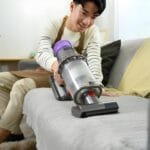
Cordless vacuums use amps differently due to battery power. They usually range from 2 to 8 amps. Lower amps extend battery life but reduce suction power. Cordless vacuums offer convenience and portability. They work well for quick cleanups and small spaces.
Factors Influencing Amp Usage
Several factors affect how many amps a vacuum cleaner uses. Understanding these can help you choose the right vacuum for your needs. Amp usage varies based on design and function. Knowing what influences this can save energy and improve efficiency.
Motor Size And Efficiency
The motor is the heart of a vacuum cleaner. Larger motors usually draw more amps. Smaller motors use less electricity but may have lower suction power. Motor efficiency also plays a role. Efficient motors provide strong suction with less energy.
Vacuum Type
Different vacuum types use different amounts of power. Upright vacuums often use more amps than handheld models. Canister vacuums vary depending on motor size. Robot vacuums typically use fewer amps due to smaller motors. Each type fits different cleaning tasks and power needs.
Attachments And Accessories
Attachments affect amp usage too. Tools like motorized brushes need extra power. Using many attachments at once can increase amp draw. Simple accessories like crevice tools use little to no extra power. Choose attachments based on your cleaning needs.
Measuring Your Vacuum’s Amp Draw
Measuring your vacuum’s amp draw helps you understand how much electricity it uses. Knowing the amps can help avoid overloading your electrical circuit. You can measure amps with simple tools. These methods give you clear results on your vacuum’s power use.
Here are three ways to find out your vacuum’s amp draw. Each method is easy to do and requires basic tools.
Using A Clamp Meter
A clamp meter is a tool that measures current without disconnecting wires. Simply open the clamp and place it around the vacuum’s power cord. The meter shows the amps flowing through the cord in real time. This method is safe and quick. You do not need to touch any wires directly.
Using A Multimeter
A multimeter can measure amps but needs more steps. First, unplug the vacuum. Then, connect the multimeter in series with the vacuum’s power line. This means you must open the circuit to let current pass through the meter. It gives accurate amps readings. Use caution and follow safety instructions carefully.
Estimating From Wattage
You can estimate amps if you know the vacuum’s wattage. Divide the wattage by the voltage of your home power supply, usually 120 volts in the U.S. For example, a 1200-watt vacuum uses about 10 amps (1200 ÷ 120 = 10). This method is simple but less precise than using meters.
Reducing Power Consumption
Reducing power consumption of your vacuum helps save electricity and lowers bills. It also benefits the environment by reducing energy use. Simple steps can make your vacuum cleaner use less power without losing cleaning strength.
Choosing Energy-efficient Models
Pick vacuums labeled as energy-efficient. These models use less amps but still clean well. Look for those with good energy ratings and modern motors. They run smoothly and use less electricity over time. Choosing the right model cuts power use and saves money.
Maintenance Tips
Keep your vacuum clean and in good shape. Empty the dustbin regularly. Clean or replace filters often. Check for blockages in hoses and brushes. Well-maintained vacuums work better and use less power. Neglect can cause the motor to work harder and waste electricity.
Smart Usage Habits
Use your vacuum only when needed. Avoid long cleaning sessions at once. Vacuum high-traffic areas more often and less-used spots less. Turn off the vacuum immediately after use. Smart habits reduce unnecessary power use and extend your vacuum’s life.
Safety And Electrical Considerations
Vacuum cleaners draw a certain amount of electrical current while running. Knowing the safety and electrical needs is important. It helps prevent damage and keeps your home safe. Understanding how much power your vacuum uses protects your circuits. It also avoids hazards like overheating or fire.
Circuit Breaker Limits
Circuit breakers stop too much current from flowing. Each breaker has a limit, usually 15 or 20 amps in homes. A vacuum that pulls more amps than the breaker limit can trip the breaker. This causes the power to shut off suddenly. Always check your vacuum’s amp rating. Use it on a circuit that can handle the load.
Avoiding Overloads
Overloads happen when too many devices run on one circuit. This causes high current and risks tripping breakers or starting fires. Do not plug your vacuum into an outlet with many other devices. Use separate circuits for heavy appliances. This reduces the chance of overload and keeps electricity flowing safely.
Proper Wiring
Proper wiring ensures your vacuum gets enough power without risks. Wires must match the circuit’s amp rating. Thin or damaged wires can overheat under heavy load. Check that your home’s wiring is up to code. Use outlets with good contacts to avoid sparks. Good wiring lowers the risk of electrical problems with your vacuum.
Frequently Asked Questions
How Many Amps Does A Standard Vacuum Use?
A standard vacuum typically uses between 5 to 12 amps. The exact usage depends on the model and power rating. Higher-powered vacuums consume more amps, while compact models use less.
Do Cordless Vacuums Use Fewer Amps?
Yes, cordless vacuums generally use fewer amps. They rely on battery power, which limits their amperage compared to corded models. This makes them energy-efficient but sometimes less powerful.
How Does Vacuum Amp Usage Affect Electricity Bills?
Higher amp usage increases electricity consumption, raising your bills. Using vacuums with lower amps or energy-efficient designs helps reduce electricity costs over time.
Can Vacuum Amps Impact Motor Performance?
Yes, amps relate to motor strength. Higher amps usually mean stronger suction power. However, efficient motor design can deliver good performance with lower amps.
Conclusion
Knowing how many amps a vacuum uses helps you choose the right model. Most vacuums draw between 5 and 12 amps. This depends on their power and size. Understanding amps can save energy and lower bills. It also helps avoid overloading your circuits.
Always check the vacuum’s label before buying. This way, you get a cleaner home and safer use. Simple steps lead to smart choices. Stay informed and pick wisely.