Have you ever wondered what to do when your vacuum cleaner stops working? Tossing it in the trash might seem easy, but it’s not always the best choice for you or the environment.
How you dispose of your vacuum can make a big difference. You’ll discover simple, smart ways to get rid of your old vacuum cleaner without causing harm or wasting resources. Keep reading, and you’ll find out exactly what steps to take to dispose of your vacuum cleaner the right way.
Check Local Disposal Rules
Proper vacuum cleaner disposal requires checking local rules. These rules vary by location and ensure safe handling. Following them helps protect the environment and your community. Start by understanding what your local authorities require.
Find Municipal Guidelines
Visit your city or town’s official website. Search for waste disposal or electronic waste sections. Many places list specific instructions for vacuum cleaners. Some cities offer special pick-up days or drop-off centers. Knowing these details saves time and avoids fines.
Identify Hazardous Components
Vacuum cleaners may contain harmful parts like batteries or motors. These components need special disposal methods. Check if your vacuum has lithium batteries or other toxic materials. Separate these parts before disposal. This prevents pollution and health risks.
Donate Or Sell Working Vacuum Cleaners
Donating or selling a working vacuum cleaner is a smart way to dispose of it. It helps reduce waste and supports others who need cleaning tools. Giving your vacuum a second life benefits the environment and your community.
Charity Options
Many charities accept working vacuum cleaners. They use these items in shelters, community centers, or sell them to raise funds. Check local donation centers or thrift stores for their rules. Clean your vacuum and include all parts before donating. Your effort helps people maintain clean and healthy spaces.
Online Marketplaces
Selling your vacuum on online marketplaces is simple and fast. Platforms like eBay, Craigslist, or Facebook Marketplace reach many buyers. Take clear photos and write honest descriptions. Set a fair price based on the vacuum’s condition. This method earns you money and ensures the vacuum stays useful.
Recycle Vacuum Components
Recycling vacuum components helps reduce waste and saves resources. Many parts of a vacuum cleaner can be reused or recycled instead of thrown away. This process protects the environment and lowers the amount of trash in landfills.
Breaking down the vacuum into parts is the first step. Separate each material type to make recycling easier. Proper sorting improves the chances that materials get recycled correctly.
Separate Plastic And Metal Parts
Take the vacuum apart carefully. Remove screws and clips to separate plastic parts from metal ones. Most vacuum bodies and attachments are plastic. Motors, screws, and some frames are metal.
Sorting plastic and metal helps recycling centers process materials better. Avoid mixing materials. Clean each part from dirt or dust. It makes recycling more effective and prevents contamination.
Locate Recycling Centers
Find local recycling centers that accept vacuum parts. Some centers take electronic waste and appliances. Check their rules about accepted materials and preparation.
Drop off the separated parts at the center. Some places offer special programs for vacuum cleaners. Calling ahead can save time and ensure proper disposal.
Use Manufacturer Take-back Programs
Using manufacturer take-back programs is a smart way to dispose of your old vacuum cleaner. These programs help you recycle parts safely and reduce waste. Many brands offer this service to encourage responsible disposal.
Manufacturers understand the impact of electronic waste. They create easy options for customers to return old devices. This helps keep harmful materials out of landfills and supports recycling efforts.
Check Brand Services
Start by visiting the brand’s official website. Look for sections like “Recycling,” “Take-Back,” or “Product Disposal.” Some brands provide detailed instructions on how to send back your vacuum cleaner.
Check if the program is free or if there is a small fee. Note the list of eligible products. Some programs accept only specific models or brands.
Arrange For Collection Or Drop-off
Many manufacturers offer two options: collection or drop-off. Collection means the company sends a courier to pick up your vacuum. Drop-off requires you to bring the device to a designated center.
Choose the option that fits your schedule and convenience. Follow the packaging guidelines carefully. Proper packing avoids damage during transport and speeds up processing.
Repurpose Vacuum Parts
Repurposing parts from your old vacuum cleaner gives them a second life. It reduces waste and saves money. Instead of throwing the whole machine away, you can use its parts in new ways. This helps the environment and sparks creativity.
Creative Diy Ideas
The vacuum hose makes a great flexible tube for craft projects. Use it to protect wires or store small items. The brush attachment can clean hard-to-reach spots or become a paintbrush for textured art. The motor can power small gadgets or toys. Even the vacuum bag can be used as a dust cover for furniture or tools. There are many fun ways to give old parts a fresh purpose.
Upcycling Benefits
Upcycling saves resources by cutting down on new materials. It lowers landfill waste, helping the planet stay cleaner. Reusing vacuum parts also reduces pollution from manufacturing. It teaches creativity and problem-solving skills. Plus, it can save money on buying new tools or crafts supplies. Small efforts like this add up to big environmental benefits.
Avoid Landfill Disposal
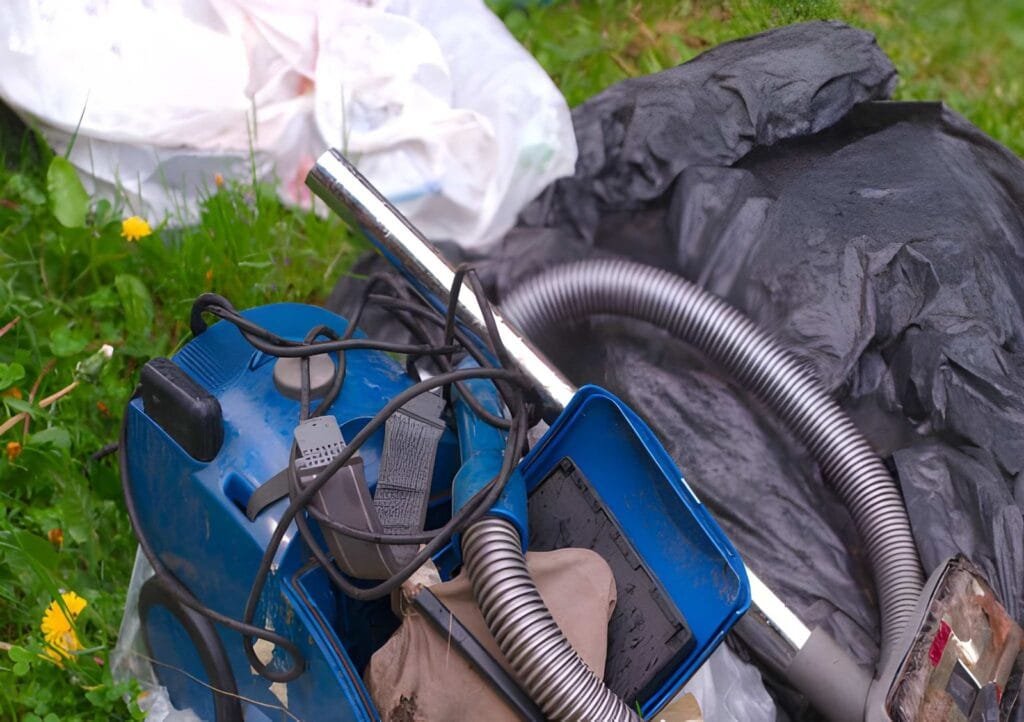
Throwing your old vacuum cleaner in the trash is not a good idea. Landfills fill up quickly and can harm the environment. Many vacuum parts do not break down naturally. Chemicals and metals inside can leak and pollute soil and water. Avoiding landfill disposal helps protect nature and keeps our communities cleaner.
Environmental Impact
Vacuum cleaners contain plastics, metals, and electronic parts. These materials take years to decompose. When thrown in landfills, toxic substances can escape. These toxins can poison plants, animals, and even people. Landfills also produce greenhouse gases that cause climate change. Proper disposal reduces these harmful effects.
Better Alternatives
Recycling centers accept vacuum cleaners and electronic waste. They separate parts to reuse metals and plastics. Many manufacturers offer take-back programs for old vacuums. Donating working vacuums helps others and extends product life. Some local shops repair broken vacuums for reuse. These options keep waste out of landfills and save resources.
Frequently Asked Questions
How Do I Safely Dispose Of A Vacuum Cleaner?
To safely dispose of a vacuum cleaner, check local electronic waste guidelines. Remove batteries and empty dust bags first. Take the vacuum to a certified e-waste recycling center to prevent environmental harm and ensure proper handling.
Can I Donate A Broken Vacuum Cleaner?
Yes, some charities accept broken vacuum cleaners for repair and reuse. Contact local thrift stores or nonprofit organizations to confirm if they accept damaged appliances. Donating helps reduce waste and supports community programs.
Where Can I Recycle My Old Vacuum Cleaner?
Old vacuum cleaners can be recycled at electronic waste recycling centers or designated drop-off points. Many cities offer special e-waste collection events. Recycling helps recover valuable materials and reduces landfill waste.
Should I Remove Parts Before Disposing Of A Vacuum Cleaner?
Yes, remove batteries, dust bags, and filters before disposal. Batteries require special handling due to hazardous materials. Separating these parts ensures safer recycling and prevents pollution.
Conclusion
Proper vacuum cleaner disposal helps protect the environment. Recycling parts reduces waste and saves resources. Donate working machines to extend their life. Check local rules for safe electronic disposal. Avoid tossing vacuums in regular trash bins. Small steps can make a big difference.
Take care of old appliances responsibly. Clean homes and a cleaner planet go hand in hand.