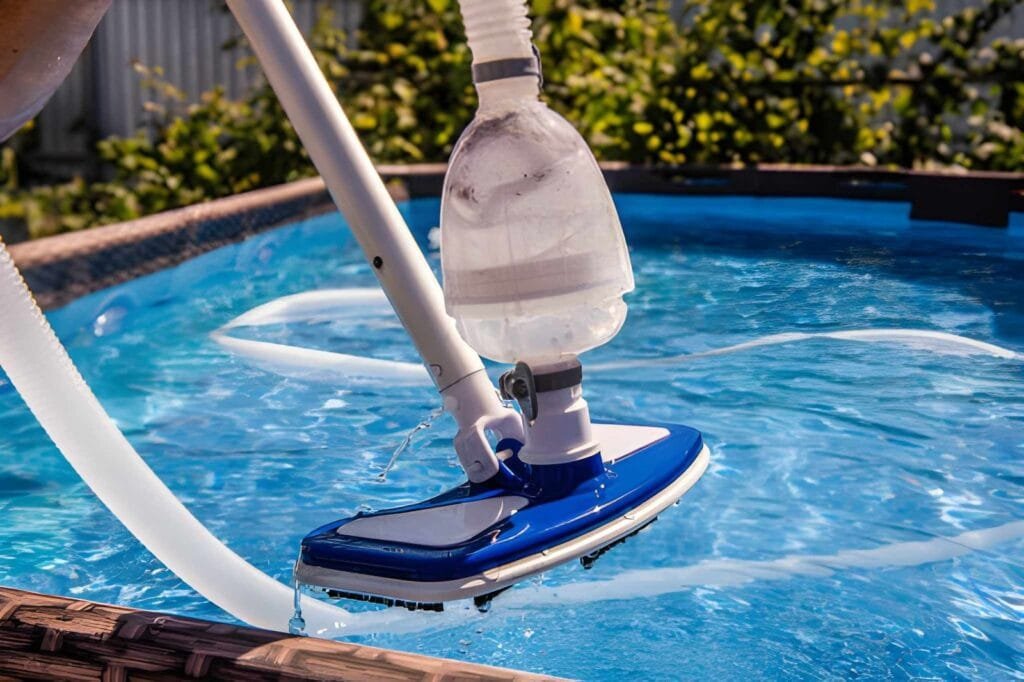
Keeping your pool clean can feel like a big job, but what if vacuuming it was easier than you think? You want your pool sparkling clear, free from dirt and debris, so you can enjoy every swim without worry.
In this guide, you’ll discover simple, step-by-step tips to vacuum your pool efficiently, saving you time and effort. Ready to transform your pool cleaning routine and make your water crystal clear? Let’s dive right in!
Choosing The Right Vacuum
Choosing the right vacuum makes pool cleaning easier and faster. The right tool fits your pool’s size and type. It also matches your cleaning style and budget. Knowing your options helps pick a vacuum that works best.
Manual Vs Automatic Options
Manual vacuums require you to guide them around the pool. They need more effort but cost less. You control where and how you clean. Automatic vacuums move on their own. They save time and energy. These vacuums work well for regular cleaning. Choose based on how much time you want to spend.
Considering Pool Size And Type
Small pools need less powerful vacuums. Large pools require stronger, faster models. The shape and surface matter too. Rough surfaces need vacuums with strong brushes. Smooth surfaces clean easily with gentle suction. Above-ground pools have different needs than in-ground pools. Match the vacuum to your pool’s features for best results.
Essential Vacuum Features
Look for strong suction to pick up dirt well. A long hose helps reach all areas. Easy assembly saves time before cleaning. Lightweight vacuums are easier to handle. Check if the vacuum fits your pool’s filter system. Some models have adjustable heads for tight spaces. These features improve cleaning and user experience.
Preparing Your Pool
Preparing your pool before vacuuming is important for a clean and smooth process. Taking a few simple steps helps avoid damage and makes cleaning easier. Focus on clearing debris, balancing water, and checking your tools.
Removing Large Debris
Start by removing leaves, twigs, and other big debris from the pool surface. Use a leaf skimmer or net to scoop them out. This stops the vacuum from getting clogged. Clear debris from stairs and corners too.
Balancing Pool Chemistry
Check the pool’s pH, chlorine, and alkalinity levels. Balanced water helps prevent algae and bacteria growth. Use test strips or kits for easy checking. Adjust chemicals as needed before vacuuming.
Checking Equipment Condition
Inspect your vacuum, hose, and filter before use. Look for cracks, leaks, or worn parts. Make sure the vacuum head moves freely. Clean or replace filters if dirty. Proper equipment avoids breakdowns during cleaning.
Setting Up The Vacuum
Setting up the vacuum is the first step to clean your pool effectively. This process prepares the vacuum to work well and reach every corner of the pool. Taking time to set up correctly saves effort later.
Assembling The Vacuum Parts
Start by putting together the vacuum head and the telescopic pole. Snap or screw the vacuum head onto the pole securely. Attach the vacuum plate or brush to the vacuum head if needed. Check all parts fit tight and will not come loose.
Connecting The Hose
Connect one end of the vacuum hose to the vacuum head. Push it firmly to avoid leaks or air entering the system. Place the other end of the hose into the pool’s skimmer or suction port. Make sure the hose is straight and not twisted to keep good water flow.
Priming The Vacuum System
Priming removes air from the hose to start suction. Submerge the vacuum head and hose fully in the pool water. Fill the hose with water by lifting it or using a pump. Watch for bubbles; when they stop, the system is ready.
Vacuuming Techniques
Vacuuming a pool properly keeps it clean and clear. Using the right techniques makes the job easier and more effective. Follow these simple steps to clean every part of your pool well.
Starting At The Deep End
Begin vacuuming from the deep end of the pool. This area often collects the most dirt and debris. Starting here lets you push dirt toward the shallow end. It also stops dirt from floating back to clean areas. Focus on the deep end first to get the biggest mess cleaned quickly.
Slow And Steady Movements
Move the vacuum slowly across the pool floor. Fast movements stir up dirt and make cleaning harder. Glide the vacuum in straight lines or gentle curves. Keep a steady pace to pick up all debris. Slow and steady helps the vacuum work at its best.
Covering All Pool Areas
Do not skip any part of the pool. Clean the walls, steps, and corners carefully. Dirt hides in these spots and can cause stains. Overlap your vacuum paths to cover every inch. Make sure to reach all edges for a fully clean pool.
Maintaining The Vacuumed Pool
Keeping your pool clean after vacuuming is important. It helps the water stay clear and fresh. Proper maintenance makes your pool last longer and saves money. Simple steps keep the vacuum system working well and the water healthy.
Cleaning The Filter
The filter traps dirt and debris from the vacuuming process. Check the filter after each session. Remove any leaves, hair, or dirt stuck inside. Rinse it with a garden hose to clear out small particles. Clean filters improve water flow and keep the pool sparkling.
Checking Water Circulation
Good water circulation spreads chemicals evenly. It also prevents algae growth. Check if the pump and jets work well after vacuuming. Clear any blockages in the skimmer or pump basket. Proper flow helps your pool stay clean longer and reduces maintenance time.
Regular Vacuuming Schedule
Vacuum your pool at least once a week. More often during heavy use or after storms. A regular schedule stops dirt from settling on the pool floor. Consistent vacuuming keeps the water clear and inviting. It also reduces the need for strong chemicals.
Troubleshooting Common Issues
Troubleshooting common issues during pool vacuuming is crucial. Small problems can stop cleaning and cause frustration. Understanding these issues saves time and keeps your pool clean.
Loss Of Suction
Loss of suction means the vacuum does not pick up dirt well. Check the pump basket and skimmer for clogs. Clean out any leaves or debris. Make sure the vacuum hose is fully connected and free of blockages. Inspect the filter and backwash if needed. A dirty filter reduces suction power.
Hose Kinks And Leaks
Kinks in the hose block water flow. Stretch the hose straight before use. Replace any parts that are cracked or leaking. Leaks let air into the system, lowering suction. Check hose connections for tight fits. Use hose clamps if needed to secure joints.
Vacuum Head Not Moving
The vacuum head must glide smoothly along the pool floor. Check for tangled or stuck wheels. Remove any large debris blocking the vacuum path. Make sure the pool surface is smooth and free of obstacles. Adjust the vacuum pole length for better reach.
Frequently Asked Questions
How Often Should I Vacuum My Pool?
Vacuum your pool once a week during peak use. Increase frequency after storms or heavy debris accumulation. Regular vacuuming keeps water clear and prevents algae growth, ensuring a clean and healthy swimming environment.
What Equipment Do I Need To Vacuum A Pool?
You need a telescopic pole, vacuum head, vacuum hose, and a pool pump. Attach the vacuum head to the pole, connect the hose, and link it to the pump’s suction port. This setup efficiently removes debris from your pool floor.
Can I Vacuum A Pool With An Automatic Cleaner?
Yes, automatic cleaners simplify vacuuming by moving independently. They require minimal setup and save time. However, manual vacuuming may be needed for heavy debris or corners that the cleaner misses.
Should I Vacuum My Pool Before Or After Brushing?
Vacuum your pool after brushing. Brushing loosens dirt and algae from surfaces. Vacuuming afterward removes this debris, preventing it from settling back into the pool and maintaining water clarity.
Conclusion
Vacuuming your pool keeps the water clean and clear. It helps remove dirt, leaves, and debris from the bottom. Regular cleaning stops algae and bacteria from growing. Use the right vacuum and follow simple steps for best results. A clean pool looks inviting and feels better to swim in.
Taking time to vacuum saves money on repairs later. Keep your pool healthy and enjoyable all season long. Simple care makes a big difference. Try these tips to keep your pool sparkling every time.