Have you ever spilled water on your carpet and wondered if you can just vacuum it up? It’s a common question that can save you from costly damage or ruined cleaning tools.
You might think grabbing your regular vacuum is the quickest fix, but is it really safe for your carpet—and your machine? Keep reading to find out what you should do the moment your carpet gets wet, how to avoid mistakes that could make things worse, and the best way to protect your home and your vacuum cleaner.
Don’t risk turning a small spill into a big problem. This guide has all the answers you need.
Risks Of Vacuuming Wet Carpets
Vacuuming wet carpets carries several risks that can affect your safety and home. Wet carpets contain water that can harm your vacuum cleaner and your flooring. Understanding these risks helps prevent accidents and damage.
Electrical Hazards
Water and electricity do not mix well. Using a regular vacuum on a wet carpet can cause electric shocks. The vacuum’s motor can short circuit if water reaches its electrical parts. This risk can lead to serious injury or fire.
Potential Carpet Damage
Vacuuming wet carpets can harm the carpet fibers. The suction may pull and stretch the wet fabric, causing distortion. Wet carpets are more fragile and may develop mold or mildew if not dried properly. Damaged carpets need costly repairs or replacement.
Vacuum Cleaner Malfunctions
Most vacuums are not designed for wet surfaces. Water can clog the vacuum’s filters and hoses. This causes the machine to overheat or stop working. Wet debris can also damage the motor, reducing the vacuum’s life.
Types Of Vacuums Suitable For Wet Carpets
Wet carpets need special care to avoid damage and mold. Using the right vacuum can help clean and dry carpets safely. Not all vacuums are made for wet carpets. Some types work better and protect your carpet and machine.
Wet-dry Vacuums
Wet-dry vacuums handle both water and dirt. They have strong suction power for liquid spills. These vacuums can pick up wet messes without breaking. Their design keeps water away from the motor. Wet-dry vacuums are ideal for cleaning wet carpets quickly.
Carpet Extractors
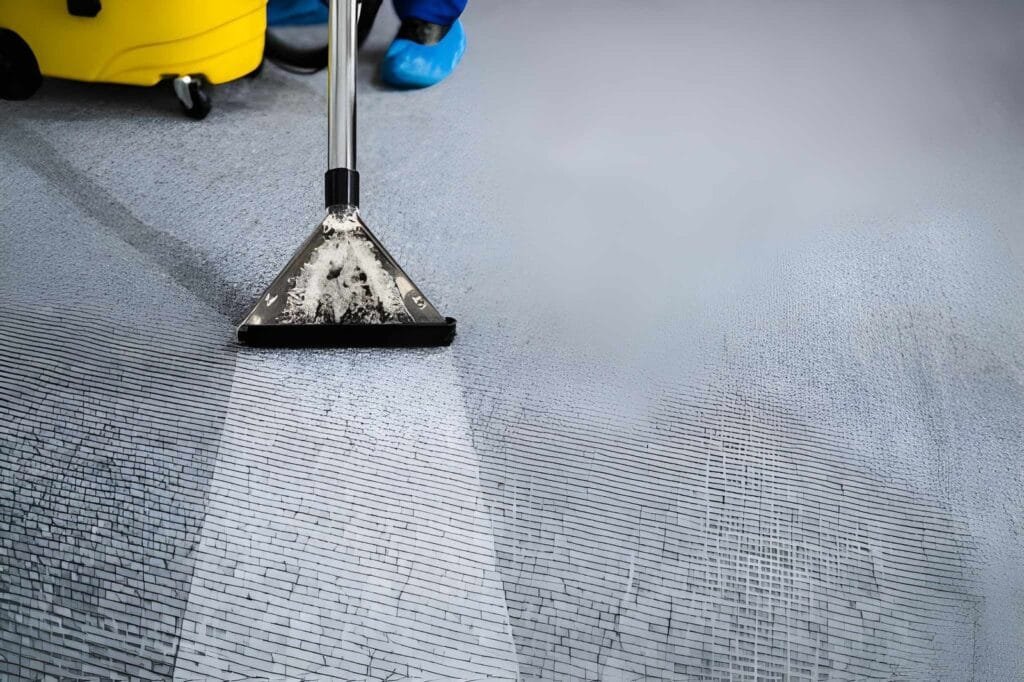
Carpet extractors spray water and cleaning solution on the carpet. Then they suction the dirty water back out. This method cleans deep inside carpet fibers. Extractors remove dirt, stains, and moisture at the same time. They help carpets dry faster and look fresh again.
Avoiding Standard Vacuums
Standard vacuums are not made for wet carpet cleaning. They can get damaged by water. Using them on wet carpets may cause electric shocks or motor failure. These vacuums also cannot remove water effectively. Avoid using regular vacuums on wet carpets to stay safe.
Steps To Prepare A Wet Carpet For Cleaning
Preparing a wet carpet for cleaning is important to protect it from damage. Wet carpets can hold moisture deep inside, which can cause mold or bad smells. Taking the right steps helps the carpet dry faster and stay clean.
Follow these steps to get your carpet ready for cleaning after it gets wet.
Removing Excess Water
Start by removing as much water as you can. Use a wet vacuum or a mop to soak up the water. Press down gently to avoid pushing water deeper. The quicker you remove water, the less damage will happen.
Drying Techniques
After removing water, dry the carpet fast. Open windows and doors for air flow. Use fans or a dehumidifier to help dry the carpet. Avoid walking on the carpet until it is mostly dry. This keeps dirt away and stops damage.
Checking Carpet Material
Know your carpet type before cleaning it. Some carpets like wool or silk need special care. Synthetic carpets can handle more water but still dry them fast. Check the label or ask a professional if unsure.
Safe Vacuuming Techniques For Wet Carpets
Vacuuming a wet carpet needs care and the right tools. Using safe techniques helps protect your carpet and vacuum. It also prevents mold and bad smells. Follow simple steps for best results and a dry, clean carpet.
Using Wet-dry Vacuum Properly
Choose a wet-dry vacuum made for wet surfaces. Do not use regular vacuums on wet carpets. Turn off the vacuum before plugging it in. Move the vacuum slowly over the wet area. Empty the tank often to keep suction strong. Use the vacuum until the carpet feels damp, not soaking wet.
Avoiding Over-saturation
Do not pour too much water on the carpet. Excess water makes cleaning harder and drying slower. Use small amounts of water for spot cleaning only. Dry the carpet quickly after vacuuming. Use fans or open windows to speed drying. Wet carpets left too long can grow mold and damage fibers.
Maintaining Equipment
Clean the vacuum after each use, especially the tank and filters. Check hoses and nozzles for blockages. Dry all parts completely before storing the vacuum. Replace filters regularly to keep the vacuum working well. Proper care extends the life of your wet-dry vacuum. Always follow the manufacturer’s instructions for maintenance.
Alternative Methods To Clean Wet Carpets
Wet carpets need quick care to stop damage and bad smells. Vacuuming wet carpets can harm your machine and might not clean well. Several other ways help remove water and dry carpets safely.
Using Fans And Dehumidifiers
Fans move air fast, helping wet carpets dry faster. Place fans around the wet area for good air flow. Dehumidifiers take moisture from the air, making drying quicker. Use both tools together for best results. Keep windows open if weather allows fresh air inside.
Professional Cleaning Services
Experts use special machines to clean and dry wet carpets. They remove deep water and stop mold growth. Professionals know how to handle tough carpet stains. Hiring them saves time and protects your carpet. They also offer advice on preventing future water damage.
Spot Cleaning Tips
Blot wet spots with a clean, dry cloth to soak water. Avoid rubbing; it can push water deeper. Use mild soap and water for small stains. Test soap on a hidden carpet spot first. Dry the area after cleaning with a towel or fan. Repeat as needed until the spot looks clean.
Preventing Future Carpet Damage
Preventing future carpet damage is key to keeping your floors clean and fresh. Wet carpets can cause stains, mold, and bad smells. Taking steps early helps protect your carpet and saves money on repairs. Simple habits and smart choices can make a big difference.
Regular Maintenance
Clean your carpet often to remove dirt and dust. Use a vacuum cleaner suitable for your carpet type. Regular cleaning stops dirt from settling deep into fibers. Schedule professional carpet cleaning once or twice a year. This keeps your carpet healthy and extends its life.
Immediate Spill Response
Act fast when spills happen. Blot liquids gently with a clean cloth. Avoid rubbing, which can spread stains. Use a wet vacuum only if it is designed for wet use. Dry the area completely to prevent mold and mildew growth.
Choosing Durable Carpet Materials
Select carpet materials that resist water and stains. Nylon and polyester are good options for durability. Look for carpets with stain-resistant treatments. These materials handle spills better and are easier to clean. Durable carpets last longer and maintain their look.
Frequently Asked Questions
Can You Vacuum A Wet Carpet Safely?
Vacuuming a wet carpet with a regular vacuum can damage the machine and cause electric shock. Use a wet-dry vacuum designed for moisture instead.
What Happens If You Vacuum A Damp Carpet?
Vacuuming a damp carpet with a standard vacuum can clog the device and spread mold spores, worsening the problem.
How To Dry A Wet Carpet Before Vacuuming?
Use fans, dehumidifiers, or open windows to dry the carpet. Vacuum only once the carpet is completely dry.
Can Wet Carpet Cause Mold And Mildew?
Yes, wet carpets create an ideal environment for mold and mildew growth, which can damage your carpet and affect indoor air quality.
Conclusion
Vacuuming a wet carpet is not safe for most machines. Water can damage the vacuum and cause electric shock. Use a wet/dry vacuum designed for liquids instead. Dry the carpet quickly to prevent mold and bad smells. Blot the wet area with towels first.
Act fast to save your carpet’s look and smell. Choose the right tools for cleaning wet carpets. Stay safe and protect your home from damage.