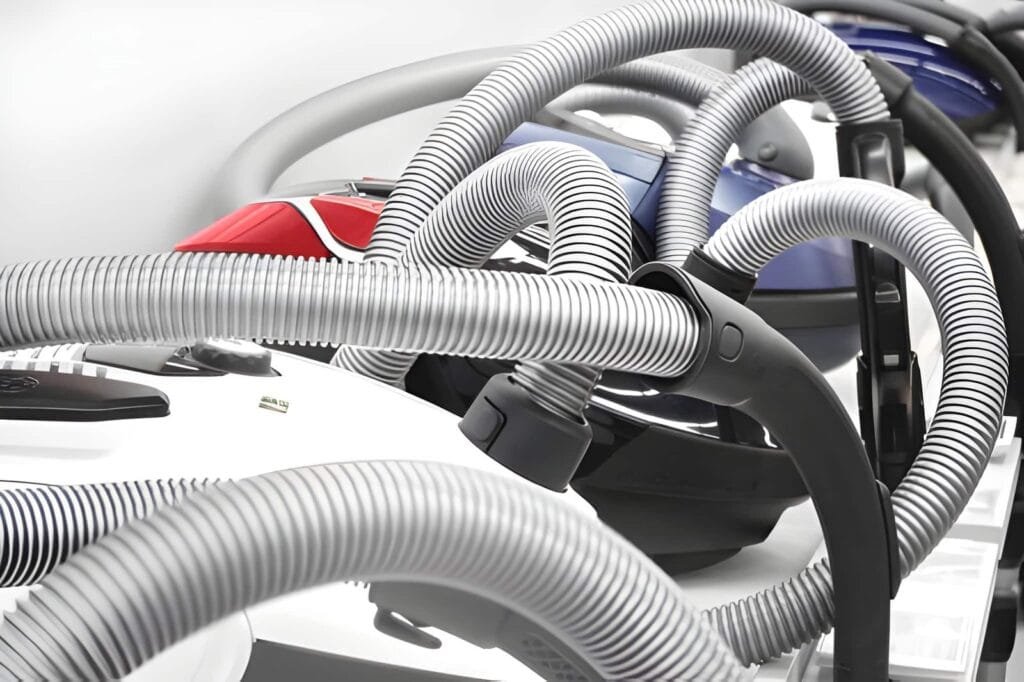
Is your vacuum hose clogged or not working as well as it used to? A dirty vacuum hose can reduce suction and make cleaning frustrating.
But don’t worry—you can fix this quickly with a few simple steps. You’ll learn exactly how to clean your vacuum hose so it works like new again. Keep reading, and you’ll save time, improve your vacuum’s performance, and enjoy a cleaner home with less effort.
Tools Needed
Cleaning a vacuum hose needs the right tools. These tools make the job easier and faster. Having everything ready helps avoid interruptions during cleaning. The tools listed below are common and easy to find. Most people already have them at home.
Soft Brush
A soft brush helps remove dust inside the hose. It reaches small corners and loosens dirt. Use gentle strokes to avoid damage.
Flexible Cleaning Rod
This rod fits inside the hose. It pushes debris out and clears blockages. Its flexibility allows it to bend with the hose.
Warm Water And Mild Soap
Warm water with mild soap cleans the hose gently. It removes sticky dirt and grime. Avoid harsh chemicals to protect the hose material.
Cloth Or Sponge
Use a cloth or sponge to wipe the hose outside. It removes dust and dirt easily. Choose a soft cloth to prevent scratches.
Vacuum Or Compressed Air
A vacuum or compressed air blows out loose debris inside the hose. It cleans areas the brush or rod can miss. Use it carefully to avoid damage.
Detaching The Hose
Detaching the vacuum hose is the first step in cleaning it properly. This process lets you reach inside and clear out any blockages or dirt. Taking off the hose carefully helps avoid damage and makes cleaning easier.
Check Your Vacuum Model
Different vacuums have different ways to attach the hose. Look at your vacuum to see how the hose connects. Some hoses twist off, while others may have clips or buttons.
Turn Off And Unplug The Vacuum
Always turn off the vacuum before detaching the hose. Unplug it from the wall to stay safe. This prevents any accidents while you work on the hose.
Remove The Hose Gently
Hold the hose firmly near the connection point. Twist or press any buttons to release it. Pull the hose straight out without bending or forcing it.
Inspect The Hose Connection
Look at the ends of the hose and the vacuum port. Check for cracks or dirt that may block the connection. Clean these areas with a dry cloth if needed.
Removing Debris
Removing debris from your vacuum hose keeps it working well. Dirt and dust can block the hose, making the vacuum weak. Clearing out the debris helps the air flow better. This keeps your vacuum strong and cleans better.
Disconnect The Hose From The Vacuum
First, unplug the vacuum. Then, take off the hose carefully. This stops the vacuum from turning on by mistake. It also makes cleaning easier and safer.
Use A Long Object To Push Out Debris
Find a long stick or broom handle. Gently push it through the hose. This moves dirt and debris out. Avoid using sharp objects that can damage the hose.
Flush The Hose With Water
Take the hose outside or to a sink. Run warm water through it. This washes away small dust and dirt pieces. Let the water flow until it runs clear.
Dry The Hose Completely
Shake out extra water after washing. Leave the hose to air dry. Drying stops mold and bad smells. Make sure it is fully dry before using again.
Washing The Hose
Cleaning the vacuum hose is important to keep your vacuum working well. Dirt and dust can build up inside the hose. Washing the hose helps remove stuck particles and improves suction. Follow simple steps to clean the hose thoroughly.
Choosing The Right Cleaner
Pick a mild soap or detergent for cleaning. Avoid harsh chemicals that can damage the hose material. Warm water mixed with dish soap works well. This mix breaks down dirt and grime safely.
Soaking Process
Fill a bucket or sink with warm soapy water. Submerge the vacuum hose completely. Let it soak for 15 to 30 minutes. Soaking loosens dirt and makes scrubbing easier. Avoid soaking hoses with electrical parts.
Scrubbing Techniques
Use a soft brush or cloth to scrub the hose inside and out. For the inside, a flexible brush or a cloth on a stick helps reach deep spots. Scrub gently to avoid holes or tears. Rinse the hose with clean water after scrubbing.
Drying The Hose
Drying the vacuum hose properly is a key step after cleaning. Moisture inside the hose can cause mold and bad smells. It also weakens the hose material over time. Letting the hose dry completely keeps it fresh and extends its life.
Air Drying Tips
Start by shaking out any excess water from the hose. Hang the hose vertically if possible. This helps water drain out faster. Place the hose in a well-ventilated area. Sunlight can help but avoid direct harsh sun to prevent cracks. Let the hose dry for at least 24 hours. Ensure both ends are open for better airflow.
Avoiding Moisture Damage
Never store the hose while it is damp. Moisture trapped inside leads to mold growth. Avoid drying the hose near heaters or radiators. High heat can damage the hose material. Use a fan to speed up drying if needed. Check the hose for any wet spots before storing. Proper drying prevents odors and keeps your vacuum working well.
Reassembling The Vacuum
Reassembling the vacuum hose is the last step after cleaning. It brings your vacuum back to working order. Proper reassembly ensures strong suction and smooth operation. Take time to align parts carefully. Avoid forcing pieces together. This keeps the hose and vacuum safe from damage.
Check All Parts For Damage
Inspect each part before putting them back. Look for cracks, tears, or worn-out areas. Replace damaged parts to avoid leaks and loss of suction. Clean parts fit better and last longer.
Attach The Hose Securely
Connect the hose to the vacuum body firmly. Turn or push it until you hear a click or feel it lock. Loose connections reduce vacuum power and cause air leaks.
Reinstall The Filters And Attachments
Put back the filters in their correct places. Make sure they sit flat and fit snugly. Attach any nozzles or brushes to the hose or vacuum. Check that all parts click or snap securely.
Test The Vacuum Hose
Plug in the vacuum and turn it on. Listen for unusual sounds or weak suction. Check for air leaks around the hose connection. If something feels wrong, recheck the assembly steps.
Maintenance Tips
Maintaining your vacuum hose extends its life and keeps your vacuum working well. Simple steps help avoid damage and blockages. Regular care makes cleaning easier and more effective.
Regular Cleaning Schedule
Set a cleaning routine for your vacuum hose. Check it at least once a month. Remove dust and debris to prevent buildup inside. Use a long brush or cloth to reach all parts. Dry the hose completely before using it again. This prevents mold and bad smells.
Preventing Blockages
Watch what you vacuum to avoid clogs. Avoid large objects or sticky substances. Clear the hose immediately if suction feels weak. Use a flexible rod or air blower to push out blockages. Keep the hose straight during use to stop kinks. This keeps air flowing smoothly and protects the vacuum motor.
Frequently Asked Questions
How Often Should I Clean My Vacuum Hose?
Clean your vacuum hose every 3 to 6 months. Frequent cleaning prevents clogs and maintains suction power. If you vacuum a lot or pick up debris, clean it more often for optimal performance.
What Tools Are Needed To Clean A Vacuum Hose?
You need a flexible brush, a cloth, mild soap, and warm water. A wire hanger or a long, flexible rod helps remove blockages. These tools ensure a thorough and effective cleaning process.
Can I Use Water To Clean A Vacuum Hose?
Yes, water with mild soap works well. Detach the hose and rinse it thoroughly. Ensure the hose dries completely before reattaching to avoid mold and damage.
How Do I Remove Blockages Inside The Vacuum Hose?
Use a flexible brush or a long rod to push out debris. Gently tap the hose ends to dislodge stuck particles. Regular checks prevent serious clogs and maintain vacuum efficiency.
Conclusion
Cleaning your vacuum hose keeps your vacuum working well. It helps stop clogs and keeps air flowing. Regular cleaning saves money on repairs. Use simple tools like brushes and water. Dry the hose fully before using it again. A clean hose means better vacuum performance.
Take a few minutes to clean it often. Your home stays cleaner with less effort. Small steps make a big difference in cleaning. Keep your vacuum hose clean for best results.