Are you worried about bed bugs invading your home? If you’ve spotted these tiny pests, your first thought might be to grab the vacuum cleaner and start sucking them up.
But can you really vacuum bed bugs away? The answer isn’t as simple as you might hope. Understanding how effective vacuuming is, and what else you need to do, can save you time, money, and frustration. Keep reading to discover the truth about vacuuming bed bugs and how to protect your home for good.
Vacuuming As A Bed Bug Control Method
Vacuuming is a common method to help control bed bugs. It removes bugs and their eggs from surfaces quickly. This method works best as part of a larger plan to get rid of bed bugs. Vacuuming can reduce their numbers, but it does not kill all bugs. It helps make other treatments more effective.
How Vacuuming Affects Bed Bugs
Vacuuming sucks up bed bugs hiding in cracks and crevices. It removes adult bugs, nymphs, and eggs from surfaces. Bugs trapped in the vacuum cannot escape easily. This lowers the number of bed bugs in the area. Vacuuming alone rarely solves the problem. It is a helpful step that reduces bed bug populations.
Types Of Vacuums To Use
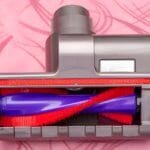
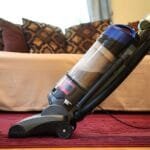
Use a vacuum with strong suction for best results. A vacuum with a HEPA filter is ideal. It traps tiny bed bug eggs and particles. Handheld vacuums work well for small areas. Upright vacuums cover larger spaces quickly. Avoid vacuums without good filtration. They can spread bed bug parts into the air.
Areas To Target When Vacuuming
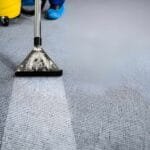
Focus on bed frames, mattress seams, and box springs. Vacuum baseboards and corners where bed bugs hide. Check behind headboards and under furniture. Pay close attention to cracks and crevices. Vacuum carpets and rugs near the bed. Empty the vacuum bag or canister after each use. Seal the contents in a plastic bag and throw it away.
Step-by-step Vacuuming Process
Vacuuming bed bugs requires careful steps to work well. A clear process helps catch bugs and eggs. Follow these steps for a thorough cleaning. This lowers the chance of bugs coming back.
Preparing The Area
Start by removing clutter near the bed. Clear floors and furniture to reach all spots. Wash bedding and curtains in hot water. This stops bed bugs from spreading. Use a flashlight to check dark corners. Look for bugs, shells, or stains.
Vacuuming Techniques
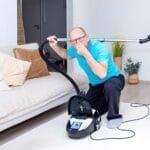
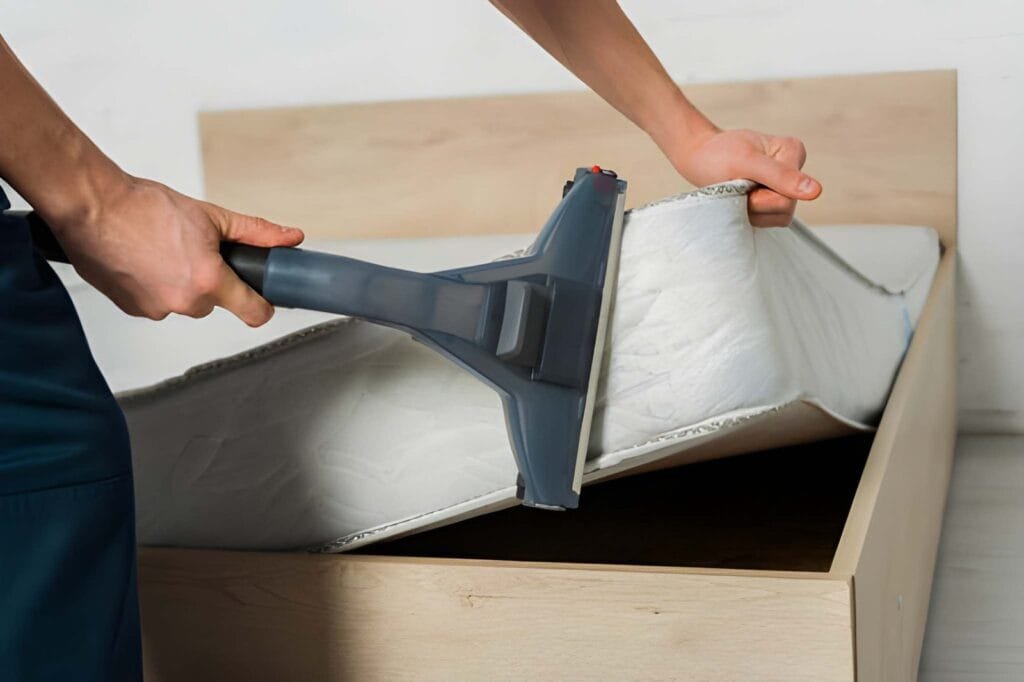
Use a vacuum with strong suction and a hose. Slowly vacuum seams, edges, and crevices of mattresses. Don’t forget bed frames and box springs. Move the vacuum head back and forth several times. Focus on cracks and areas bugs hide. Vacuum carpets and floors near the bed too.
Disposal Of Vacuum Contents
After vacuuming, seal the vacuum bag or canister. Place it inside a plastic bag and close tightly. Throw the bag into an outside trash bin. Clean the vacuum parts with hot, soapy water. This stops bugs from escaping back inside.
Limitations Of Vacuuming Bed Bugs
Vacuuming can reduce the number of bed bugs but it has clear limits. It can remove adult bugs and some nymphs, yet it cannot solve the problem alone. Understanding these limits helps in managing infestations better. Bed bugs hide in tiny cracks and lay eggs in unreachable spots. Vacuuming might disturb them but won’t reach every hiding place. This section explains why vacuuming is not enough and the risks involved.
Why Vacuuming Alone Isn’t Enough
Vacuuming removes visible bed bugs but misses many. Adult bugs on surfaces can be sucked up. Yet, bugs hiding deep inside mattresses, furniture, or walls stay untouched. Vacuuming does not kill bugs instantly. Some bugs may escape or survive the process. Relying only on vacuuming leaves many bugs alive, allowing the infestation to grow again.
Hidden Bed Bug Eggs And Nymphs
Eggs are tiny and stick to surfaces firmly. Vacuum heads often cannot pick them up. Nymphs, or baby bugs, hide in cracks and seams. They are harder to see and reach with a vacuum. Eggs hatch later, causing new bugs to appear. Ignoring eggs means the problem returns after some time. Treatment needs to target these hidden stages too.
Potential For Spreading Infestation
Vacuuming can sometimes spread bed bugs. Bugs may fall out from the vacuum or escape. Moving the vacuum from room to room risks carrying bugs along. If the vacuum bag or container is not sealed, bugs might crawl back out. Proper disposal of vacuum contents is essential. Poor handling can make the infestation worse, spreading bugs to new areas.
Combining Vacuuming With Other Treatments
Vacuuming alone cannot remove all bed bugs. These pests hide deep in mattresses, cracks, and furniture. Combining vacuuming with other treatments improves your chances of success. Different methods target bed bugs in various ways. Use several approaches to get better results and a bed bug-free home.
Heat Treatments
Heat kills bed bugs at all life stages. Professional heat treatments raise room temperatures above 120°F. Bed bugs cannot survive this heat. Heat reaches into cracks and furniture where vacuums miss. Using heat after vacuuming helps remove hidden bugs and eggs.
Chemical Insecticides
Chemical sprays or powders kill bed bugs on contact. Choose products labeled for bed bug control. Apply insecticides in areas where bugs hide and travel. Vacuum first to remove bugs and debris. Then treat with chemicals for a stronger effect. Follow safety instructions carefully.
Mattress Encasements
Mattress encasements trap bed bugs inside the mattress. Bugs cannot escape or feed. Use encasements after vacuuming and treatments. They keep bed bugs from spreading or biting. Encasements also protect mattresses from future infestations. Choose high-quality, bed bug-proof covers.
Preventing Reinfestation After Vacuuming
Vacuuming can remove many bed bugs from your home. But vacuuming alone cannot stop them from coming back. You need to take extra steps to keep bed bugs away. These steps help catch any bugs you missed and protect your space from new bugs. Below are important ways to prevent bed bugs from returning after vacuuming.
Regular Cleaning Habits
Cleaning often lowers the chance of bed bugs hiding in your home. Vacuum floors, carpets, and furniture at least twice a week. Wash bedding and pillow covers in hot water every week. Keep clutter low to reduce places where bugs can hide. Regular cleaning breaks the bed bugs’ life cycle and makes your home less inviting to them.
Monitoring And Inspection
Check your home regularly for signs of bed bugs. Look for small dark spots or tiny bugs around beds and furniture. Use bed bug traps or interceptors under bed legs to catch bugs early. Early detection helps stop an infestation before it grows. Inspect suitcases and clothing after travel to avoid bringing bugs inside.
Protecting Furniture And Bedding
Cover mattresses and box springs with special bed bug-proof covers. These covers trap bugs inside and stop new bugs from entering. Fix cracks and crevices in furniture to block hiding spots. Avoid buying used furniture without checking it carefully. Protecting your furniture reduces bed bug hiding places and helps keep your home bug-free.
Frequently Asked Questions
Can Vacuuming Completely Remove Bed Bugs?
Vacuuming helps reduce bed bugs but rarely removes them all. It removes visible bugs and eggs but may miss hidden ones. Use vacuuming with other treatments like heat or insecticides for better control. Regular vacuuming helps maintain cleanliness and lowers infestation levels effectively.
What Type Of Vacuum Is Best For Bed Bugs?
A vacuum with strong suction and a HEPA filter works best. It traps tiny bed bugs and eggs effectively. Handheld or canister vacuums with crevice tools reach corners and mattress seams well. Avoid vacuums without filters, as they can release bed bugs back into the air.
How Often Should I Vacuum To Control Bed Bugs?
Vacuum at least twice a week during an infestation. Frequent vacuuming removes bugs before they reproduce. Focus on mattress seams, bed frames, carpets, and furniture cracks. Continue vacuuming regularly even after treatment to prevent reinfestation and keep bugs at bay.
Can Vacuuming Spread Bed Bugs To Other Areas?
Yes, if the vacuum bag or container isn’t sealed properly. Bed bugs can escape and infest new areas. Always empty or dispose of vacuum contents outside your home. Clean and seal the vacuum components after use to avoid spreading the infestation.
Conclusion
Vacuuming can help reduce bed bugs but won’t remove them all. Bugs hide deep in mattresses and cracks. Use vacuuming with other treatments for better results. Regular cleaning keeps bugs from spreading further. Stay patient; bed bugs need time to go away.
Keep checking your bed and furniture often. Combining methods works best to fight bed bugs well. Don’t rely on vacuuming alone for full control.