Are fleas buzzing around your home, making life uncomfortable for you and your pets? You might wonder if vacuuming is enough to get rid of these tiny pests once and for all.
You want a quick, effective solution that fits into your routine without extra hassle. But does vacuuming actually kill fleas, or does it just scatter them around? Keep reading to find out how vacuuming affects fleas and what you can do to protect your home and loved ones from these stubborn invaders.
How Fleas Survive Indoors
Fleas can live and multiply inside homes easily. They find warm places and feed on pets or humans. Understanding how fleas survive indoors helps control them better. Their life cycle and hiding spots keep them safe from many cleaning methods.
Flea Life Cycle
Fleas go through four stages: egg, larva, pupa, and adult. Eggs fall off pets onto floors and furniture. Larvae hatch and live in dark, quiet areas. Pupae stay in cocoons, waiting to emerge as adults. Adults jump on pets to feed and lay eggs. This cycle can repeat fast, causing infestations.
Common Hiding Spots
Fleas hide in carpets, rugs, and pet bedding. They also live in cracks and crevices of floors. Upholstered furniture provides dark, soft areas for larvae. Baseboards and under furniture offer shelter too. These spots protect fleas from vacuuming and cleaning.
Vacuuming And Flea Control
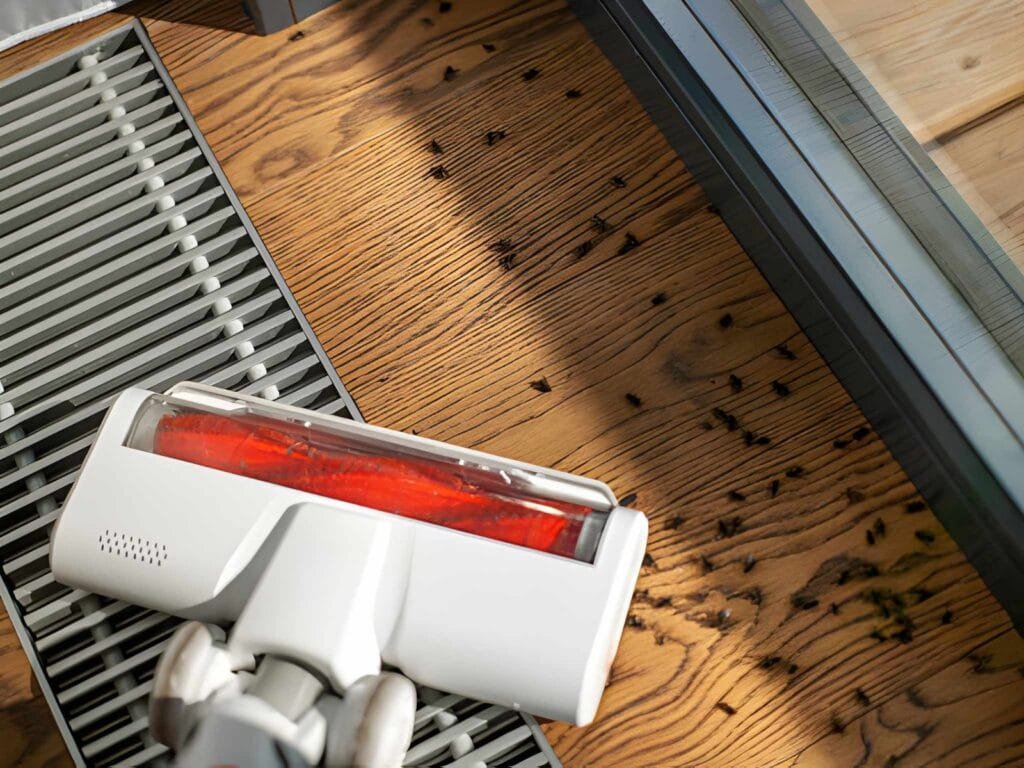
Vacuuming is a common method to help control fleas in homes. It removes flea eggs, larvae, and adult fleas from carpets and furniture. This cleaning step can reduce flea numbers and limit their spread. Regular vacuuming is an important part of flea control but not the only solution.
Vacuuming reaches many areas where fleas hide. It helps break the flea life cycle by removing stages before they grow into adults. This lowers the chance of flea bites and infestations in the home.
Effectiveness Of Vacuuming
Vacuuming picks up flea eggs and larvae hidden in carpet fibers. It removes adult fleas from pet bedding and floors. This reduces flea numbers quickly.
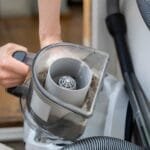
Using a vacuum with strong suction works best. Empty the vacuum bag or canister after each use. This prevents fleas from escaping back into the home.
Limitations To Consider
Vacuuming alone does not kill all fleas. Some eggs and larvae may survive deep in carpets. Adult fleas can also jump away before being vacuumed.
Vacuuming must be done often to control fleas. It should be part of a larger flea treatment plan. Using flea sprays or pet treatments helps kill fleas that vacuuming misses.
Best Vacuuming Techniques
Vacuuming is a powerful tool in fighting fleas at home. Using the right techniques increases the chance of removing fleas and their eggs. It helps to control flea populations effectively.
Here are the best vacuuming methods to get rid of fleas and keep your home clean and safe.
Choosing The Right Vacuum
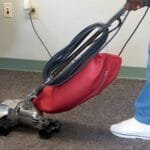
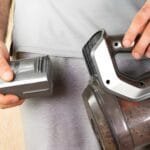
Select a vacuum with strong suction power. A vacuum with a beater bar or brush roll works best. This helps pull fleas and eggs from carpets and rugs. A vacuum with a sealed bag or container stops fleas from escaping. Avoid vacuums that blow air out, as fleas may spread. Check the vacuum’s filter to ensure it traps small particles.
Areas To Focus On
Focus on places where pets rest or sleep. Fleas often hide in carpets, furniture, and pet bedding. Vacuum along baseboards and under furniture. Don’t forget corners and cracks in floors. Vacuum stairs thoroughly, as fleas like these spots. Pay attention to rugs and upholstery too. Cleaning these areas limits flea hiding spots.
Frequency And Timing
Vacuum daily for best results during flea outbreaks. Regular vacuuming removes eggs before they hatch. Empty the vacuum bag or container after each use. Dispose of the contents in a sealed bag outside your home. Vacuuming at night helps because fleas are more active. Keep this routine until fleas disappear completely.
Combining Vacuuming With Other Methods
Vacuuming alone rarely removes all fleas from your home. Fleas lay eggs in hard-to-reach places. Combining vacuuming with other methods gives better results. This approach attacks fleas at different stages of their life cycle. It helps stop fleas from coming back. Use these additional steps for a cleaner, flea-free space.
Use Of Flea Sprays And Powders
Flea sprays and powders kill adult fleas and larvae. Apply these products to carpets, furniture, and pet bedding. Choose sprays with ingredients safe for pets and humans. Follow the instructions carefully for best results. These treatments work well with vacuuming to reduce flea numbers quickly.
Washing Bedding And Fabrics
Fleas hide in bedding and fabrics. Wash pet bedding, blankets, and cushions in hot water. Dry them at high heat to kill fleas and eggs. Regular washing removes fleas before they spread. This step supports vacuuming by cleaning areas vacuum cannot reach.
Pet Treatment Options
Pets often carry fleas into the home. Use flea shampoos, collars, or oral medications for pets. Consult your vet for the safest and most effective option. Treating pets stops fleas from multiplying. Combine pet treatments with home cleaning to control fleas fully.
Preventing Future Flea Infestations
Preventing future flea infestations takes effort and care. Fleas multiply fast and can hide in many places. Stopping them early saves time and stress. Focus on cleaning, yard care, and pet health to keep fleas away. These steps help protect your home and family.
Regular Cleaning Habits
Vacuum floors, carpets, and furniture often. Flea eggs and larvae hide in dust and fabric. Empty the vacuum bag or canister outside after each use. Wash pet bedding weekly in hot water. Clean cracks and corners where fleas may hide. Regular cleaning breaks flea life cycles.
Yard Maintenance
Keep grass short and remove leaf piles. Fleas thrive in tall grass and damp areas. Trim bushes and clear debris near your home. Consider natural flea repellents for your yard. Dry, sunny spaces reduce flea survival. Yard care limits flea access to your house.
Monitoring Pets
Check pets’ fur and skin regularly for fleas. Use flea combs to spot and remove fleas early. Follow vet advice on flea treatments and preventatives. Keep pets clean with regular baths. Healthy pets help stop flea infestations from growing. Monitor pets closely to protect your home.
Frequently Asked Questions
Does Vacuuming Remove Flea Eggs Effectively?
Vacuuming can remove flea eggs from carpets and floors. However, it doesn’t kill them instantly. Regular vacuuming helps reduce flea populations by disrupting their life cycle. Empty the vacuum bag or canister immediately to prevent re-infestation.
Can Vacuuming Alone Kill Adult Fleas?
Vacuuming helps capture adult fleas but does not kill all of them. Some fleas may escape or survive in carpet fibers. Combining vacuuming with other treatments ensures better flea control and eradication.
How Often Should I Vacuum To Control Fleas?
Vacuum daily during flea infestations to reduce flea eggs, larvae, and adults. Consistent vacuuming disrupts flea breeding and lowers their population. Follow up with appropriate flea treatments for best results.
Does Vacuuming Help Prevent Flea Infestations?
Yes, vacuuming regularly removes flea eggs, larvae, and dirt. It prevents flea eggs from hatching and spreading. Combine vacuuming with pet flea treatments for effective prevention.
Conclusion
Vacuuming helps remove fleas from floors and furniture. It sucks up adult fleas, eggs, and larvae before they grow. Regular vacuuming lowers flea numbers but does not kill all. Fleas hide in places a vacuum cannot reach. Combining vacuuming with other treatments works best.
Clean your home often to keep fleas away. Don’t forget to vacuum pet bedding too. Stay patient and consistent to control fleas well.