Are you tired of dust and allergens sneaking through your regular vacuum cleaner? What if you could breathe cleaner air while keeping your home spotless?
That’s where a HEPA vacuum comes in. This powerful cleaning tool is designed to trap the tiniest particles that ordinary vacuums often miss. If you want to protect your family’s health and enjoy a fresher living space, understanding what a HEPA vacuum is and how it works could change the way you clean forever.
Keep reading to discover why this vacuum might be the game-changer your home needs.
Hepa Vacuum Basics
HEPA vacuums are designed to clean air and surfaces very well. They trap tiny dust and allergens that regular vacuums miss. These vacuums help people with allergies or asthma breathe easier.
Understanding how HEPA vacuums work can help you choose the right one. The filters inside these vacuums are the key to their strong cleaning power.
What Hepa Means
HEPA stands for High-Efficiency Particulate Air. It is a type of filter made to catch very small particles. These filters remove 99.97% of particles that are 0.3 microns or larger. This size includes dust, pollen, and pet dander.
The HEPA filter is tested and certified to meet strict standards. This ensures it works well to clean the air and keep it fresh.
How Hepa Filters Work
HEPA filters work by trapping particles in a dense mat of fibers. Air passes through the filter, but dust and allergens get stuck. The filter uses three ways to catch particles: interception, impaction, and diffusion.
Interception catches particles that follow the airflow. Impaction traps larger particles that hit the fibers. Diffusion helps catch the smallest particles by making them move randomly.
This process stops most pollutants from escaping back into the air. HEPA vacuums keep your home cleaner and healthier.
Benefits Of Hepa Vacuums
HEPA vacuums offer clear advantages for home and office cleaning. They capture tiny particles that regular vacuums miss. This makes indoor air cleaner and healthier. Many people with allergies or asthma find HEPA vacuums helpful. They also remove dust and other pollutants effectively. The benefits go beyond just picking up dirt.
Improved Air Quality
HEPA vacuums trap 99.97% of particles as small as 0.3 microns. This includes dust, pollen, and pet dander. Cleaner air helps reduce breathing problems. It also lowers the risk of airborne illnesses. Using a HEPA vacuum regularly keeps indoor air fresh and pure.
Allergy And Asthma Relief
HEPA vacuums reduce allergens that trigger symptoms. They capture mold spores and dust mites in carpets and furniture. This relief is important for people with allergies or asthma. A cleaner home environment means fewer attacks and less discomfort. HEPA vacuums support better health and comfort.
Dust And Particle Removal
HEPA vacuums pick up fine dust that settles deep in fabrics and floors. They clean hard-to-reach places where dirt accumulates. This helps prevent dust buildup over time. Removing these particles keeps surfaces spotless and extends the life of home items. It also reduces cleaning frequency and effort.
Types Of Hepa Vacuums
HEPA vacuums come in different types to fit various cleaning needs. Each type uses a HEPA filter that traps tiny particles. This filter helps improve air quality by capturing dust, pollen, and allergens.
Choosing the right HEPA vacuum depends on the space and cleaning tasks. Some are better for large areas, while others work well for quick cleanups. Here are the main types of HEPA vacuums you can find.
Upright Hepa Vacuums
Upright HEPA vacuums are popular for homes and offices. They have a large cleaning path, making it easy to cover floors fast. These vacuums stand tall and include a handle for easy pushing. They often have strong suction power and large dust bins. Upright models work well on carpets and hard floors. Many come with adjustable settings for different surfaces.
Canister Hepa Vacuums
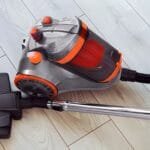
Canister HEPA vacuums separate the motor and dust container from the cleaning head. This design makes them light and easy to move. Canister models are great for cleaning stairs, upholstery, and tight spaces. They usually have long hoses and multiple attachments. These vacuums provide good suction and are quieter than upright models. They work well on both carpets and hard floors.
Handheld And Stick Models
Handheld and stick HEPA vacuums are small and portable. They are perfect for quick cleanups and small areas. Handheld models fit in one hand and clean furniture, car interiors, and corners. Stick vacuums are lightweight and easy to carry around. Though smaller, they still use HEPA filters to trap dust and allergens. These types are ideal for busy homes and small spaces.
Choosing The Right Hepa Vacuum
Choosing the right HEPA vacuum is important for a clean and healthy home. A good vacuum removes dust, allergens, and tiny particles from the air. This helps people with allergies or asthma breathe easier. Picking the right model can save time and money.
Factors To Consider
Think about the size of the area you want to clean. Large homes may need a vacuum with a big dustbin or bag. Check the vacuum’s weight. A heavy model can be hard to carry up stairs. Noise level matters too. Some vacuums are quieter than others. Look for extra tools like brushes or crevice nozzles for tight spaces.
Filter Efficiency Ratings
HEPA filters have ratings that show how well they trap particles. True HEPA filters capture 99.97% of particles as small as 0.3 microns. Some vacuums use “HEPA-type” filters, but they are less effective. Always choose vacuums with True HEPA filters for best air cleaning. This ensures dust and allergens stay inside the vacuum.
Maintenance And Filter Replacement
Regular cleaning keeps your vacuum working well. Check how easy it is to remove and clean the filter. Some filters can be washed, others need replacing. Follow the manufacturer’s advice on filter changes. A clogged filter lowers vacuum power and air quality. Keep spare filters handy to maintain performance.
Using Hepa Vacuums Effectively
Using HEPA vacuums effectively helps keep your home clean and healthy. These vacuums capture tiny dust particles and allergens. Proper use makes a big difference in air quality and cleanliness.
Best Cleaning Practices
Start with dry surfaces for better suction. Move the vacuum slowly to capture more dirt. Change or clean filters often for strong performance. Use attachments to reach corners and tight spots. Empty the dust container before it gets full.
Frequency Of Use
Vacuum high-traffic areas at least twice a week. Less-used rooms can be vacuumed once a week. Increase cleaning if someone has allergies or asthma. Regular use prevents dust buildup and improves air quality.
Areas To Focus On
Carpets trap a lot of dust and allergens. Focus on floors, rugs, and upholstery. Clean under furniture and along baseboards. Don’t forget curtains and vents where dust gathers. These spots improve overall cleanliness and air flow.
Common Misconceptions
Many people have wrong ideas about HEPA vacuums. These ideas can cause confusion about what HEPA vacuums really do. Understanding the facts helps you choose the right vacuum for your needs.
Hepa Vs Regular Filters
HEPA filters trap very tiny particles. Regular filters catch bigger dust and dirt. HEPA filters remove 99.97% of particles that are 0.3 microns or larger. Regular filters do not capture such small particles. This makes HEPA vacuums better for allergy sufferers and clean air.
Some think all filters called “HEPA” are the same. Not true. Only filters meeting strict standards count as true HEPA. Some vacuums say “HEPA-type” or “HEPA-like,” but they do not meet the same level. Check the label carefully.
Limitations Of Hepa Vacuums
HEPA vacuums do not clean everything perfectly. They mainly trap airborne particles, not large debris. Some dirt and pet hair can still escape. Also, HEPA filters need regular replacement to work well.
Another misconception is that HEPA vacuums kill germs. They only trap particles; they do not kill bacteria or viruses. For full disinfection, other methods are needed. Knowing these limits helps you use HEPA vacuums correctly.
Hepa Vacuum Care Tips
Taking good care of your HEPA vacuum keeps it working well for a long time. Proper care helps keep the air clean and your home healthy. Small steps can make a big difference in how your vacuum performs daily.
Regular attention to the filter and suction power ensures the vacuum removes dust and allergens effectively. Understanding simple care tips helps you avoid costly repairs and maintain strong cleaning power.
Filter Cleaning And Replacement
Clean the HEPA filter often to keep air flowing well. Dust and dirt block the filter, reducing its efficiency. Follow the vacuum’s guide for cleaning instructions. Replace the filter as the manufacturer suggests. A clean filter traps tiny particles better, improving air quality.
Maintaining Suction Power
Check for blockages in the hose and brush regularly. Clear any debris that can reduce suction. Empty the vacuum bag or bin before it gets too full. Full bags make the vacuum work harder. Keep the vacuum parts clean and well-maintained to keep suction strong.
Frequently Asked Questions
What Is A Hepa Vacuum Used For?
A HEPA vacuum captures tiny particles like dust, allergens, and pet dander. It is ideal for allergy sufferers and maintaining clean indoor air.
How Does A Hepa Vacuum Filter Work?
HEPA filters trap 99. 97% of particles as small as 0. 3 microns. This prevents harmful dust and allergens from escaping back into the air.
Are Hepa Vacuums Better For Allergies?
Yes, HEPA vacuums reduce allergens effectively by trapping fine particles. They improve indoor air quality and reduce allergy symptoms.
Can Hepa Vacuums Clean Pet Hair Efficiently?
Yes, HEPA vacuums handle pet hair well while capturing dander. They help keep homes with pets cleaner and healthier.
Conclusion
A HEPA vacuum helps keep your home clean and healthy. It traps tiny dust, pollen, and allergens well. This makes it great for allergy sufferers and pets. Using one reduces the amount of dust in the air. It also helps keep floors and surfaces spotless.
Choosing a HEPA vacuum is a smart way to improve air quality. Clean air means a happier, healthier living space. Consider this tool for better cleaning results every day. Simple, effective, and easy to use.