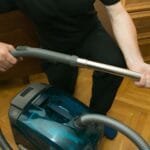
Have you ever wished cleaning your home could be faster, quieter, and more effective? A central vacuum system might be exactly what you need.
Unlike regular vacuum cleaners that you carry around, this system is built right into your walls, making cleaning easier and less tiring. Imagine no more heavy lifting, no noisy machines, and cleaner air in your home. Curious to find out how it works and why it could change your cleaning routine for good?
Keep reading to discover everything you need to know about central vacuum systems and how they can make your life simpler.
Central Vacuum Basics
Central vacuum systems offer a cleaner, quieter way to keep homes tidy. Unlike regular vacuum cleaners, these systems use a central motor and pipes inside the walls. They remove dirt and dust far away from living areas. This makes cleaning easier and improves air quality inside the house.
How It Works
A central vacuum system has a powerful motor installed in a basement or garage. Pipes run through walls to connect the motor to vacuum inlets around the house. Users plug a hose into these inlets to clean floors and furniture. The suction pulls dirt through the hose and pipes to a central container. This container holds all the dirt until it’s full and needs emptying. The system vents dust and allergens outside or traps them in a filter.
Key Components
The system has several important parts. The power unit is the motor that creates suction. Inlet valves are wall outlets where you connect the vacuum hose. A network of pipes carries dirt from the inlet valves to the power unit. The dirt canister or bag collects debris. Some systems include filters that capture fine dust and allergens. Accessories like hoses, brushes, and floor tools help clean different surfaces.
Types Of Systems
There are two main types of central vacuum systems: portable and built-in. Built-in systems have pipes hidden in walls and a power unit fixed in one spot. Portable systems have a motor unit you can move around with hoses and tools. Built-in systems are more common in new homes. Portable systems suit older homes or smaller spaces. Each type offers different levels of suction power and installation needs.
Benefits Of Central Vacuum
A central vacuum system offers many benefits for home cleaning. It makes cleaning easier and more effective. This system helps keep your home cleaner and healthier.
Below are some key benefits that make central vacuum systems a smart choice for many homes.
Improved Air Quality
Central vacuum systems remove dust and allergens from your living space. They send dirt outside your home, not back into the air. This reduces dust and allergy triggers indoors. Cleaner air means better breathing and fewer allergy symptoms.
Convenience And Efficiency
These systems have in-wall outlets in every room. You just plug in a lightweight hose to start cleaning. No need to carry heavy vacuums around. Cleaning takes less time and effort. You can reach tight spots and corners easily.
Noise Reduction
The motor is installed away from living areas, usually in a garage or basement. This design makes the vacuum much quieter than portable models. You can clean without disturbing family members or neighbors. Less noise means a more peaceful home environment.
Installation Process
The installation process of a central vacuum system is an important step to ensure it works well. Proper setup helps the system clean your home efficiently. This process involves careful planning and some technical work.
Many people wonder how the installation happens and what challenges they might face. Understanding the basics of installation makes the whole idea less confusing. Here is a clear guide to help you know what to expect.
Planning And Design
Planning is the first step in installing a central vacuum system. You need to decide where to place the main unit. Usually, it goes in a basement, garage, or utility room.
Next, plan the pipe routes from the unit to the vacuum inlets. Pipes run inside walls or under floors. Good design means fewer bends and shorter pipe lengths.
Think about how many vacuum inlets you want. More inlets mean easier cleaning in different rooms. Make sure to check your home’s layout before finalizing the plan.
Diy Vs Professional Installation
Some homeowners try to install the system themselves. DIY installation can save money but requires skills and tools. You must be comfortable with drilling, measuring, and fitting pipes.
Professional installation costs more but guarantees the job is done right. Experts know how to avoid common mistakes. They also ensure the system runs quietly and efficiently.
Choosing between DIY and professional depends on your skills and budget. Safety is important. Mistakes can cause poor suction or damage to walls.
Common Challenges
Installing a central vacuum system has some challenges. One is finding the best path for pipes without damaging walls or wires. Pipes need to be sealed well to avoid air leaks.
Another challenge is placing inlets where they are easy to reach but do not spoil room decor. Sometimes, you need to adjust the plan during installation.
Noise can be a problem if the main unit is too close to living areas. Proper placement helps reduce sound. Careful work and good tools make installation smoother.
Maintenance Tips
Maintaining a central vacuum system helps it work well for years. Regular care keeps the system strong and cleans your home better. Simple steps prevent problems and save money on repairs.
Cleaning And Filter Care
Empty the dirt canister often to avoid clogs. Check filters for dust and debris every month. Wash or replace filters as the manual says. Clean filters help keep suction power strong. Use mild soap and water for washable filters. Let filters dry completely before putting them back.
Troubleshooting Issues
Listen for weak suction or strange noises during use. Check hoses and attachments for blockages or tears. Clear any clogs by removing debris carefully. Inspect electrical connections for loose wires. Test the power unit regularly to catch problems early. Small fixes stop bigger issues from developing.
When To Replace Parts
Replace filters if they are damaged or too dirty. Change hoses and attachments showing cracks or holes. Swap out belts and brushes as they wear down. Follow the manufacturer’s advice on part lifespan. Using worn parts reduces cleaning efficiency. Timely replacements keep the system running smoothly.
Choosing The Right System
Choosing the right central vacuum system is important for a clean and healthy home. The right system fits your home’s size, meets your cleaning needs, and fits your budget. Understanding key factors helps you make a smart choice. This guide covers what to consider before buying.
Assessing Home Size
Home size matters for the vacuum system’s power. Large homes need stronger systems with wider reach. Small homes or apartments need less power. Consider the number of rooms and floors. A bigger home may need multiple inlets for easy access.
Power And Capacity Considerations
Power affects cleaning strength. Check the motor’s suction power measured in air watts or CFM. Higher power means better dirt removal. Capacity refers to how much dirt the system can hold. Larger capacity means less frequent emptying. Balance power and capacity to match your needs.
Budget And Brand Options
Set a budget before choosing a system. Prices vary by power, features, and brand. Reliable brands offer better quality and support. Cheaper options might save money but may lack durability. Invest in a system that lasts and fits your budget comfortably.
Comparing Central Vacuum To Traditional
Comparing central vacuum systems to traditional vacuums helps you see their main differences. Each type cleans in a unique way. Understanding these differences can guide your choice for home cleaning.
Performance Differences
Central vacuum systems offer stronger suction power than most traditional vacuums. The motor is usually larger and placed outside living areas. This reduces noise inside the home during cleaning. Traditional vacuums rely on a portable unit, which can lose suction over time. Central systems also remove dust and allergens more effectively by venting outside. Traditional models often recirculate some dust back into the air.
Cost Comparison
Traditional vacuums cost less upfront. They are ready to use right after purchase. Central vacuum systems require installation, which adds to the initial cost. Pipes and wall inlets must be fitted throughout the house. The unit itself usually costs more than a portable vacuum. Installation can be a bigger expense in existing homes than new builds.
Long-term Value
Central vacuum systems last longer than traditional vacuums. They need less maintenance and have fewer moving parts inside living spaces. Filters and bags usually require less frequent replacement. Traditional vacuums may need repairs or replacements more often. Homes with central vacuum systems often have increased resale value. Cleaning is easier and faster with built-in wall inlets.
Enhancing Home Cleanliness
A central vacuum system makes cleaning easier and more effective. It removes dust and dirt deeply from your home. This system helps keep air fresh and reduces allergens. It cleans faster than regular vacuum cleaners. Using it correctly can improve home cleanliness a lot.
Using Attachments Effectively
Attachments help clean different surfaces well. Use a brush attachment for curtains and upholstery. A crevice tool reaches tight corners and edges. A floor brush works best on hard floors. Changing attachments saves time and cleans better.
Cleaning Hard-to-reach Areas
Central vacuum hoses are long and flexible. They reach under furniture and high shelves easily. Cleaning vents and behind appliances becomes simple. This system cleans places often missed by regular vacuums. It keeps the whole house free from dust.
Integrating With Smart Home Systems
Some central vacuum systems connect with smart home devices. You can control cleaning with your phone or voice. Set schedules to clean automatically at any time. This adds convenience and keeps your home tidy without effort.
Frequently Asked Questions
What Is A Central Vacuum System?
A central vacuum system is a built-in cleaning solution. It uses a powerful motor in a remote location. Tubes run through walls to inlets around your home. You connect a hose to these inlets for easy vacuuming.
How Does A Central Vacuum System Work?
It works by suctioning dirt through wall pipes to a central unit. The unit collects debris in a large container. This design eliminates carrying a heavy vacuum. It also improves air quality by venting exhaust outside.
What Are The Benefits Of Central Vacuum Systems?
Central vacuums offer strong suction and convenience. They reduce noise compared to portable vacuums. These systems improve indoor air quality by removing allergens. They also add home value and require less frequent emptying.
Is Professional Installation Necessary For Central Vacuum Systems?
Yes, professional installation is recommended. It ensures proper tubing placement and system efficiency. Experts also help choose the right unit size. Correct installation prevents leaks and maintains strong suction power.
Conclusion
A central vacuum system cleans your home with ease. It saves time and reduces dust inside. Pipes hidden in walls carry dirt away quickly. You get stronger suction than regular vacuums. The system is quiet and easy to use. It helps keep air fresh and healthy.
Many homeowners find it a smart choice. Think about your cleaning needs and space. A central vacuum might be the right fit. Simple, effective, and long-lasting cleaning solution.