Have you ever wondered what happens to your old vacuum cleaner once it stops working? Tossing it in the trash isn’t the answer—it can harm the environment and waste valuable materials.
But here’s the good news: you can recycle your vacuum cleaner easily and make a real difference. You’ll discover simple steps to give your vacuum a second life and help protect the planet. Keep reading, and you’ll find out exactly how to do it right.
Benefits Of Recycling Vacuums
Recycling vacuum cleaners offers many benefits for the environment and society. It helps reduce waste and saves valuable materials. Recycling also cuts down on pollution and conserves energy. Choosing to recycle your old vacuum cleaner supports a cleaner, healthier planet.
Environmental Impact
Vacuum cleaners contain plastics and metals that harm the environment if thrown away. Recycling prevents these materials from polluting soil and water. It also reduces harmful emissions from producing new parts. Recycling vacuums helps protect wildlife and natural habitats.
Resource Conservation
Recycling recovers metals like steel and copper from old vacuum cleaners. These materials can be reused instead of mining new resources. This saves energy and reduces the need for raw materials. Conserving resources helps preserve Earth’s natural balance.
Reducing Landfill Waste
Vacuum cleaners take up space in landfills and do not break down easily. Recycling keeps these bulky items out of landfills. This lowers landfill overflow and reduces harmful leaks into the ground. Less landfill waste means a cleaner and safer environment for all.
Preparing Your Vacuum For Recycling
Preparing your vacuum for recycling is an important step. It helps to separate parts that need special care. Proper preparation makes recycling easier and safer. It also ensures harmful materials do not harm the environment.
Removing Batteries And Accessories
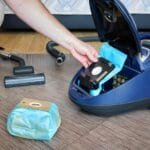
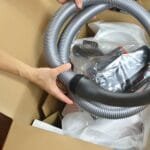
Remove all batteries from your vacuum cleaner first. Batteries contain chemicals that need special recycling. Take out any detachable parts like hoses, brushes, or filters. These parts often need different recycling methods. Keep them separate for easier processing.
Cleaning The Vacuum
Clean dust and dirt from your vacuum before recycling. Wipe the surface with a damp cloth. Remove any stuck debris inside the vacuum bag or bin. A clean vacuum helps recycling centers work better and faster.
Disassembling Parts
Take apart the vacuum into smaller pieces if possible. Remove screws to separate plastic, metal, and electronic parts. This step helps recycle each material correctly. Avoid breaking parts forcefully to prevent injury.
Finding Recycling Centers
Finding the right place to recycle your vacuum cleaner helps protect the environment. Many places accept old electronics, including vacuum cleaners. You can choose from local centers, manufacturer programs, or special collection events. Each option makes recycling easy and safe.
Local Recycling Facilities
Local recycling centers often take vacuum cleaners. They separate parts to reuse metals and plastics. Check with your city or town waste department. Some centers ask you to drop off items during certain hours. This option supports your community and reduces landfill waste.
Manufacturer Take-back Programs
Some vacuum brands offer take-back programs. They accept old models for recycling. Visit the manufacturer’s website for details. These programs ensure proper handling of parts and materials. You might even receive a discount on a new vacuum.
Electronic Waste Collection Events
Many areas hold electronic waste events. These are special days to collect old electronics safely. Events often accept bulky items like vacuum cleaners. Check local announcements or websites for dates and locations. It’s a convenient way to recycle with community support.
Donation And Repurposing Options
Recycling vacuum cleaners can extend their life and reduce waste. Donation and repurposing give old vacuums a new chance to be useful. This helps the environment and supports others who need affordable cleaning tools.
Donating Working Vacuums
Donate vacuums that still work well. Charities, shelters, and community centers often need cleaning equipment. Check local organizations to see if they accept vacuum donations. A working vacuum helps people keep their spaces clean without buying new ones.
Upcycling Parts
Old vacuum parts can find new uses. Fans, motors, and hoses work well in DIY projects. Creative upcycling turns broken parts into tools or art. This reduces trash and gives parts a second life.
Selling For Spare Parts
Sell vacuum parts online or at repair shops. Many people look for parts to fix their vacuums. Selling parts saves money for buyers and prevents waste. Broken vacuums can be a good source of spare pieces.
Handling Hazardous Components
Vacuum cleaners have parts that need special care before recycling. These parts can harm the environment if not handled correctly. Handling hazardous components safely is very important. It protects you and nature from damage.
Battery Disposal
Vacuum cleaners often have rechargeable batteries inside. These batteries contain harmful chemicals. Throwing them in the trash can cause fires or leaks. Take batteries to a special recycling center. Many stores and local facilities accept used batteries. Never cut or damage the battery before disposal. Keep batteries away from heat and water.
Dealing With Filters And Bags
Filters and bags trap dust and dirt. They may also hold allergens or small particles. Removing them carefully prevents dust from spreading. Use gloves and a mask if possible. Dispose of used bags in the trash. Some filters can be cleaned and reused. Check the manufacturer’s guide for instructions.
Safe Handling Tips
Always unplug the vacuum cleaner before taking it apart. Work in a well-ventilated area to avoid breathing dust. Use tools to open parts instead of force. Store removed components in sealed bags or containers. Wash your hands after handling hazardous parts. Keep children and pets away during this process.
Tips To Reduce Vacuum Waste
Reducing vacuum waste helps protect the environment and saves money. Small actions can make a big difference. Choosing the right vacuum and caring for it well extends its life. Fixing parts instead of tossing the whole machine cuts down trash. These tips make your vacuum cleaner last longer and reduce waste.
Choosing Durable Models
Select vacuum cleaners made with strong materials. Look for brands known for lasting a long time. Simple designs often break less and are easier to fix. Avoid cheap models that wear out fast. A durable vacuum reduces the need to buy new ones often.
Regular Maintenance
Clean filters and brushes regularly to keep your vacuum working well. Empty the dustbin or replace bags often to avoid clogs. Check the belt and replace it if it looks worn. Regular care helps the vacuum run efficiently and last longer.
Repair Instead Of Replace
Fix broken parts instead of throwing the vacuum away. Many repairs cost less than buying a new machine. Use replacement parts from the manufacturer or trusted sellers. Repairing saves resources and reduces waste in landfills.
Frequently Asked Questions
How Can I Recycle My Old Vacuum Cleaner?
You can recycle your vacuum by taking it to an electronics recycling center. Many stores also offer recycling programs for small appliances. Make sure to remove batteries before recycling to avoid hazards.
What Parts Of A Vacuum Cleaner Are Recyclable?
Most vacuum parts like metal, plastic, and electronic components are recyclable. Separate these parts to ensure proper recycling. Avoid disposing of the vacuum in regular trash.
Are There Special Programs For Vacuum Cleaner Recycling?
Yes, some manufacturers and retailers offer take-back or recycling programs. Check with your vacuum brand or local waste management for available options. These programs ensure safe disposal and material reuse.
Can Vacuum Cleaner Batteries Be Recycled Separately?
Yes, vacuum cleaner batteries should be recycled separately at battery recycling points. Never throw batteries in the trash as they contain harmful chemicals. Proper battery recycling prevents environmental damage.
Conclusion
Recycling vacuum cleaners helps protect our planet. It saves materials and reduces waste. You can find local centers that accept old vacuums. Removing batteries and plastics before recycling is important. Small steps like this make a big difference. Everyone can join in to keep Earth clean.
Start recycling your vacuum today and help nature. It’s easy, useful, and good for future generations. Let’s take care of our world together.