If you want a sparkling clean pool without spending hours scrubbing, knowing how to connect your pool vacuum to the pump is key. You might think this task is complicated, but with the right steps, you can do it quickly and easily.
Imagine saving time and effort while keeping your pool crystal clear all season long. In this guide, you’ll discover simple tips that anyone can follow—no special tools or experience needed. Ready to make your pool cleaning routine faster and more effective?
Let’s dive in!
Choosing The Right Pool Vacuum
Choosing the right pool vacuum is important for keeping your pool clean and clear. The right vacuum will work well with your pool pump and make cleaning easier. It saves time and stops damage to your pool equipment. Picking the best vacuum depends on your pool size, pump power, and the type of debris you need to clean.
Types Of Pool Vacuums
There are several types of pool vacuums. Manual vacuums need you to push them around the pool. They are simple and cost less. Automatic vacuums move by themselves and clean the pool floor and walls. Suction-side vacuums connect to the pump’s skimmer or dedicated suction line. Pressure-side vacuums use the return line and have a separate filter bag. Robotic vacuums have their own motor and filter. They do not need the pool pump at all.
Matching Vacuum To Pump Power
Your pool pump must have enough power for the vacuum. A weak pump cannot pull enough water for good suction. Too strong a pump can damage the vacuum or filter system. Check the pump’s flow rate, measured in gallons per minute (GPM). Match it with the vacuum’s recommended flow range. Use a vacuum that fits your pump size to avoid problems. Proper matching keeps your pool clean and your equipment safe.
Gathering Necessary Equipment
Gathering the right tools makes connecting your pool vacuum to the pump easier. Having everything ready saves time and avoids frustration. You will need specific equipment to ensure the system works well and cleans the pool effectively.
Vacuum Hose And Attachments
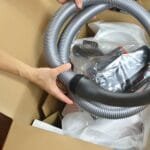
The vacuum hose is the main part that connects the vacuum head to the pump. It must be long enough to reach all parts of the pool. Choose a hose that fits tightly on the vacuum and pump fittings. Attachments like vacuum heads and connectors help clean different pool surfaces. Make sure these parts are clean and free from cracks or holes. A good seal prevents loss of suction and improves cleaning.
Pool Pump And Filter Requirements
Your pool pump needs enough power to pull dirt through the vacuum hose. Check the pump’s flow rate to match your vacuum’s needs. The filter should be clean and ready to catch debris. A clogged filter reduces suction and makes vacuuming harder. Turn off the pump before connecting the vacuum to avoid damage. Proper pump and filter care keeps your pool water clear and clean.
Preparing The Pool Vacuum
Preparing the pool vacuum is the first step to a clean swimming pool. It ensures the vacuum works properly and cleans well. Taking time to prepare the parts correctly saves time later. Follow simple steps to get your vacuum ready.
Assembling The Vacuum Head
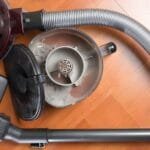
Start by laying out all parts on a clean surface. Attach the vacuum brush or suction head to the base. Make sure it clicks or fits tightly. Check for any missing pieces or damage. A secure vacuum head helps to pick up dirt better.
Attaching The Telescopic Pole
Take the telescopic pole and extend it to a comfortable length. Connect the pole to the vacuum head by pushing or twisting the joint. It should lock firmly without wobbling. This pole lets you reach all pool areas easily. Confirm the connection is tight before use.
Connecting Vacuum Hose To Pump
Connecting the vacuum hose to the pool pump is a key step in pool cleaning. The hose carries dirt and debris from the pool to the pump’s filter system. Proper connection ensures strong suction and effective cleaning.
Follow simple steps for a tight and secure hose connection. This keeps the vacuum working well without leaks or loss of suction.
Attaching Hose To Vacuum Head
Start by pushing one end of the vacuum hose onto the vacuum head’s inlet. Twist the hose slightly to secure it. Ensure the hose fits tightly to avoid air leaks. Use a hose clamp if needed for extra hold.
Priming The Hose
Fill the hose with water before connecting to the pump. This removes air pockets that reduce suction. Submerge the hose in the pool, letting water fill it completely. Keep one end underwater while connecting the other end to the pump.
Connecting Hose To Pump Skimmer Or Suction Port
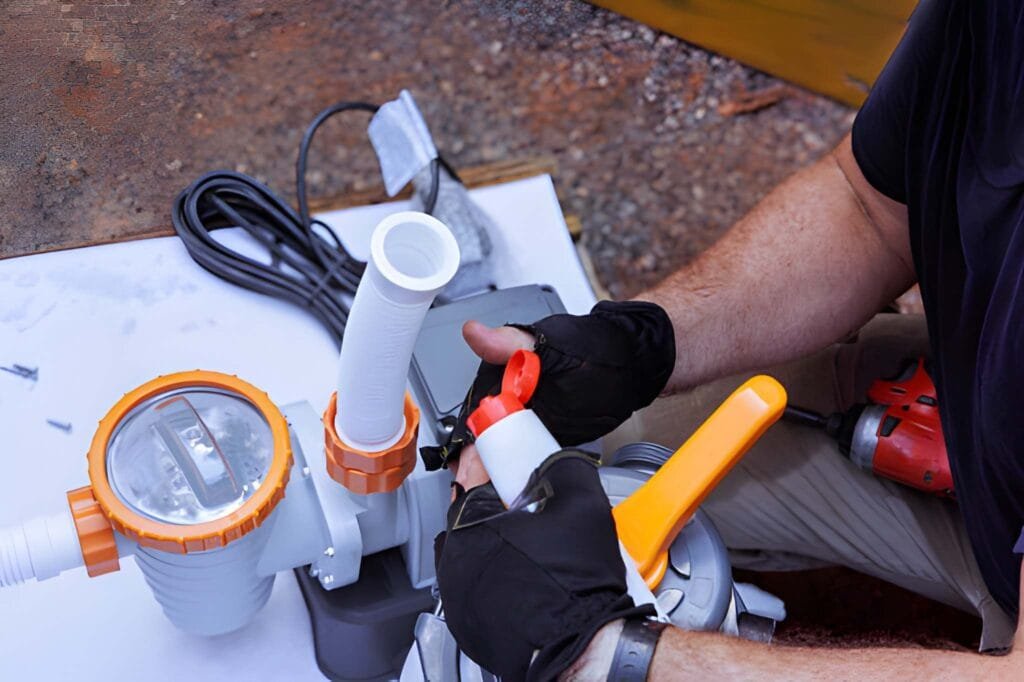
Attach the free end of the hose to the pump’s skimmer or suction port. Push the hose firmly onto the port until it fits snugly. Secure with a clamp if the fit is loose. Check for any gaps to keep the suction strong.
Starting The Pump And Vacuuming
Starting the pump and vacuuming is a key step in keeping your pool clean. This process helps remove dirt and debris that the filter may miss. Knowing how to start the pump and use the vacuum properly saves time and effort.
Turning On The Pool Pump
First, check that the pool pump is connected to power. Turn the pump on using the main switch or control panel. Listen for a steady humming sound, which means the pump is running well. Make sure the water flows smoothly through the vacuum hose. If the water flow is weak, check for air leaks or blockages in the hose. Proper flow is necessary for effective vacuuming.
Using The Vacuum Safely And Efficiently
Wear goggles to protect your eyes from splashes. Move the vacuum head slowly across the pool floor. Avoid rushing to pick up all debris in one pass. Clean the vacuum bag or filter often to keep suction strong. Take breaks if the pump or vacuum gets too hot. This prevents damage and extends the life of your equipment. Keep children and pets away from the pool during vacuuming for safety.
Troubleshooting Common Issues
Troubleshooting common issues helps keep your pool vacuum working well. Small problems can stop the vacuum from cleaning properly. Fixing these issues saves time and effort. Below are some common problems and how to solve them.
Loss Of Suction
Loss of suction means the vacuum is not pulling water. Check if the hose has any holes or cracks. Make sure the hose is connected tightly to the pump. Clear any blockages in the hose or skimmer basket. Clean the pump’s filter basket to improve flow. A clogged filter can reduce suction power.
Air Bubbles In Hose
Air bubbles in the hose cause the vacuum to lose pressure. Check for leaks where the hose connects to the pump. Tighten clamps or replace worn gaskets to stop air leaks. Make sure the vacuum head is fully submerged in water. If bubbles persist, check for cracks in the hose.
Pump Overheating
A pump that overheats may shut down or work poorly. Clean the pump’s strainer basket to remove debris. Ensure the pump has good water flow to keep cool. Check the pump’s motor vents for dirt or obstructions. Turn off the pump if it feels very hot and let it cool before restarting.
Maintaining Your Pool Vacuum System
Maintaining your pool vacuum system is key to keeping your pool clean and safe. Regular care helps the vacuum work well and lasts longer. Simple steps can prevent big problems and save money on repairs.
Cleaning And Storing The Vacuum
After each use, rinse the vacuum with fresh water. This removes dirt and chemicals that can cause damage. Let it dry completely before storing to stop mold and rust. Store the vacuum in a cool, dry place away from direct sunlight. Keep all parts together to avoid losing pieces. Proper cleaning and storage keep the vacuum ready for the next use.
Regular Pump Maintenance
Check the pump often for leaks or strange noises. Clean the pump basket to remove debris that blocks water flow. Inspect the pump seal and replace it if worn out. Keep the pump motor free from dirt and dust. Turn off the pump before any maintenance work. Regular pump care improves vacuum suction and extends its life.
Frequently Asked Questions
How Do I Connect A Pool Vacuum To The Pump?
To connect a pool vacuum to the pump, attach the vacuum hose to the skimmer or dedicated suction port. Ensure the hose is filled with water to avoid airlocks. Then, connect the other end to the vacuum head and switch on the pump for suction.
What Tools Are Needed To Connect A Pool Vacuum?
You typically need a telescopic pole, vacuum head, vacuum hose, and a hose adapter. Some setups also require a skimmer basket or vacuum plate. These tools help you securely connect and operate the pool vacuum with your pump efficiently.
Can I Use Any Vacuum Hose With My Pool Pump?
No, use only hoses compatible with your pool’s pump and vacuum head. Standard pool vacuum hoses are designed to fit securely and maintain proper suction. Using incorrect hoses can cause leaks or reduce cleaning efficiency.
How Do I Prevent Airlocks When Connecting The Vacuum?
Fill the vacuum hose completely with water before connecting it to the pump. Submerge the hose in the pool to remove trapped air. This ensures smooth suction and prevents airlocks during vacuuming.
Conclusion
Connecting your pool vacuum to the pump is simple and effective. Follow the steps carefully to avoid mistakes. Check all connections to ensure no leaks. Turn on the pump and watch the vacuum work smoothly. Regular cleaning keeps your pool clear and safe.
With practice, this task becomes quick and easy. Enjoy a cleaner pool with less effort each time. Keep your equipment in good shape for best results. Cleaning your pool can be hassle-free and rewarding.