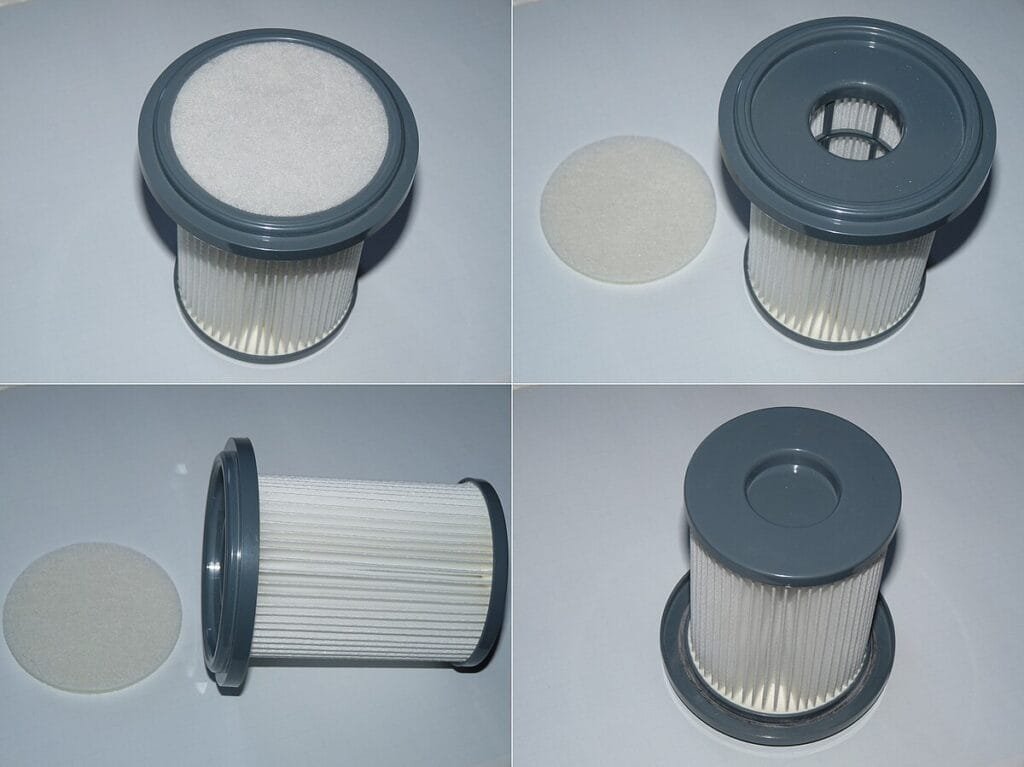
If you want your vacuum to work at its best, cleaning your HEPA filter is a must. You might not realize it, but a dirty HEPA filter can reduce suction, spread dust, and even cause allergies.
The good news? Cleaning it is easier than you think. You’ll learn simple steps to keep your vacuum’s HEPA filter fresh and effective. By the end, you’ll know exactly how to boost your vacuum’s performance and keep your home cleaner.
Ready to make your vacuum work like new again? Let’s get started!
Hepa Filter Basics
HEPA filters play a key role in keeping air clean and healthy. They trap tiny particles that ordinary filters often miss. Understanding HEPA filter basics helps you care for them better. This knowledge ensures your vacuum works efficiently and lasts longer.
Below, learn what HEPA filters are and why they benefit your home environment.
What Is A Hepa Filter
A HEPA filter is a special type of air filter. It captures very small particles like dust, pollen, and pet dander. HEPA stands for High Efficiency Particulate Air. These filters remove at least 99.97% of particles that are 0.3 microns in size. That means they trap almost all tiny pollutants in the air.
HEPA filters use a dense mat of fibers to catch particles. Air passes through, but dust and allergens stay trapped. This makes HEPA filters much better than regular filters for cleaning air.
Benefits Of Hepa Filters
HEPA filters improve indoor air quality. They reduce allergens and irritants that cause sneezing and coughing. For people with asthma or allergies, HEPA filters create a safer space.
These filters also help remove pet hair and dust mites. Cleaner air means less dust buildup on furniture and floors. HEPA filters keep your home fresher and healthier. They also protect your vacuum cleaner by stopping dust from reaching the motor.
Signs Your Hepa Filter Needs Cleaning
Knowing when to clean your HEPA filter keeps your vacuum working well. Dirt and dust build up over time. This blocks airflow and lowers cleaning power. Watch for clear signs your filter needs care. Acting fast saves your vacuum and improves air quality.
Reduced Suction Power
Vacuum pulls less air when the filter clogs. You must push harder to clean floors. Dirt stays on carpets and surfaces. A dirty HEPA filter blocks airflow, causing weak suction. Check suction often to catch problems early.
Unusual Odors
Bad smells from your vacuum mean trapped dirt. HEPA filters catch dust, pollen, and pet hair. These can cause odors if left too long. Clean the filter to remove smells and freshen the air. Smells warn you the filter is full.
Visible Dirt And Dust
Look inside the filter for dust buildup. Thick layers of dirt show it needs cleaning. A clean HEPA filter looks white or light gray. Dark, dusty filters lose their power fast. Regular checks keep your vacuum ready to clean.
Preparation Before Cleaning
Proper preparation makes cleaning your vacuum HEPA filter easier and safer. Taking time to get ready helps avoid damage and keeps you safe. Follow simple steps before starting the cleaning process.
Gathering Necessary Tools
Collect all tools needed before you begin. Usually, a soft brush, clean cloth, and a vacuum cleaner with a hose attachment work well. Have a trash bin nearby for debris. Check your vacuum manual to see if any special tools are required. Being prepared saves time and effort.
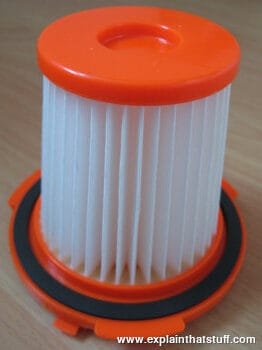
Credit: explainthatstuff.com
Safety Precautions
Turn off and unplug the vacuum before cleaning. This stops accidents and electric shocks. Wear a mask if you are sensitive to dust. Clean in a well-ventilated area to avoid breathing in dust particles. Handle the filter gently to prevent damage. Safety first, always.
Step-by-step Cleaning Process
Cleaning your vacuum HEPA filter is essential for better air quality and vacuum performance. Follow these clear steps to clean the filter safely and effectively. Each step will help keep your vacuum running smoothly and extend the filter’s life.
Removing The Filter
First, unplug the vacuum cleaner. Open the vacuum’s dust compartment carefully. Find the HEPA filter inside. Remove the filter gently to avoid damage. Check your vacuum manual if unsure how to remove it.
Tapping Off Loose Debris
Hold the filter over a trash bin. Tap it lightly to remove dust and loose dirt. Do this outside or in a well-ventilated area. Avoid shaking the filter too hard. This step helps clear surface debris quickly.
Washing The Filter
Use cold water to rinse the filter. Do not use soap or cleaning chemicals. Gently rinse until the water runs clear. Avoid scrubbing the filter fibers. Washing removes deep dust and particles stuck inside.
Drying The Filter Properly
Let the filter air dry completely before reinserting. Place it in a dry, open space away from sunlight. Do not use a hair dryer or heater to speed drying. It may damage the filter. Drying fully prevents mold and keeps the filter effective.
When To Replace Your Hepa Filter
Knowing when to replace your vacuum’s HEPA filter is key to keeping air clean. A filter that is too old or clogged cannot trap dust and allergens well. This reduces your vacuum’s performance and may cause bad smells or damage. Regular checks help you decide the right time to change the filter.
Signs Of Damage
Look for holes, tears, or cracks in the filter material. A damaged filter lets dust escape back into the air. Notice if your vacuum loses suction or sounds different. These signs show the filter may be worn out. Dark stains or a bad odor also mean the filter needs replacing.
Manufacturer Recommendations
Check the vacuum’s user manual for filter change advice. Most makers suggest replacing HEPA filters every 6 to 12 months. Some filters last longer, depending on use and environment. Following these guidelines helps keep your vacuum efficient and your home air fresh.
Tips For Maintaining Your Hepa Filter
Keeping your HEPA filter clean helps your vacuum work better and last longer. Dirt and dust can block the filter, making it less effective. Simple care steps can keep the filter in good shape. Follow these tips to keep your HEPA filter fresh and working well.
Regular cleaning removes trapped dust and keeps air flow steady. Avoiding mistakes protects the filter from damage and saves money on replacements.
Regular Cleaning Schedule
Clean your HEPA filter at least once a month. Check it more often if you vacuum daily. Gently tap the filter to remove dust. Use a soft brush or vacuum tool for light cleaning. Some filters can be rinsed with water. Let them dry completely before putting them back. Follow the vacuum’s manual for specific instructions.
Avoiding Common Mistakes
Do not use harsh chemicals or soap on the filter. They can damage the filter material. Avoid washing non-washable filters with water. Never put a wet filter back into the vacuum. This can cause mold and harm the motor. Do not press or squeeze the filter hard. Handle it gently to keep its shape intact.
Frequently Asked Questions
How Often Should I Clean My Vacuum Hepa Filter?
You should clean your vacuum HEPA filter every 1 to 3 months. Frequent cleaning maintains suction power and air quality. Check your vacuum’s manual for specific guidelines. Regular cleaning prevents dust buildup and prolongs filter life.
Can I Wash My Vacuum Hepa Filter With Water?
Only some HEPA filters are washable. Check the manufacturer’s instructions before washing. If washable, rinse gently with cold water and air dry completely. Never use soap or heat to dry. Non-washable filters require gentle tapping or vacuuming.
What Are Signs My Hepa Filter Needs Cleaning?
Reduced suction, increased dust, or unpleasant odors indicate filter cleaning is needed. Visible dirt or discoloration on the filter also signals cleaning time. Regular inspection ensures optimal vacuum performance and cleaner air.
Will Cleaning The Hepa Filter Improve Vacuum Performance?
Yes, cleaning the HEPA filter restores airflow and suction power. A clean filter traps dust and allergens effectively. This improves indoor air quality and extends the vacuum’s lifespan. Neglecting filter cleaning reduces efficiency and may damage the vacuum.
Conclusion
Cleaning your vacuum HEPA filter keeps your air fresh and your vacuum strong. Regular care stops dust and allergens from building up. Rinse gently and let it dry completely before using again. This simple step helps your vacuum work better and last longer.
A clean filter means cleaner air for your home. Take a few minutes to clean it often. Your vacuum and lungs will thank you. Easy to do. Worth the effort.