If your Bissell vacuum isn’t picking up dirt like it used to, the filter might be the problem. Cleaning your Bissell vacuum filter is a simple step that can instantly boost your vacuum’s performance and extend its lifespan.
Imagine a cleaner home with less effort and a vacuum that works like new every time you use it. In this guide, you’ll learn exactly how to clean your Bissell vacuum filter quickly and easily. Keep reading to discover the simple tricks that will keep your vacuum running at its best.
Bissell Vacuum Filters Basics
Bissell vacuum filters play an important role in keeping your home clean. They trap dust, dirt, and allergens during vacuuming. Knowing the basics of these filters helps maintain your vacuum’s performance. Clean filters make your vacuum work better and last longer.
Understanding the different types of Bissell filters and why cleaning them matters is key. This guide will explain the basics clearly and simply.
Types Of Bissell Filters
Bissell vacuums use several filter types. The most common are foam, felt, and HEPA filters. Foam filters catch large dirt particles and can be washed. Felt filters trap smaller dust bits and need gentle cleaning. HEPA filters capture tiny allergens and require careful handling. Knowing your filter type helps you clean it the right way.
Why Filter Cleaning Matters
Dirty filters block airflow and reduce vacuum suction. This makes cleaning harder and can damage the vacuum motor. Clean filters improve air quality by trapping dust and allergens better. Regular cleaning keeps your vacuum working well and your home healthier. It also saves money by extending the vacuum’s life.
Preparing For Filter Cleaning
Preparing to clean your Bissell vacuum filter is important for good results. Taking time to get ready makes the process easier and safer. This section helps you set up properly before starting the cleaning task.
Follow these steps to gather what you need and stay safe during filter cleaning.
Gathering Necessary Tools
Start by collecting all tools and materials. You will need a soft brush to remove dust. A clean cloth helps wipe the filter gently. Warm water is useful for rinsing the filter if it is washable. Some filters require mild soap, so have that ready too. Make sure you have a dry place to leave the filter after cleaning. Having everything at hand saves time and prevents interruptions.
Safety Tips Before Cleaning
Always unplug the vacuum before opening it. This stops the vacuum from turning on by accident. Avoid using harsh chemicals on the filter. They can damage the material. Clean the filter in a well-ventilated area to avoid dust buildup. Wear a mask if you are sensitive to dust. Handle the filter gently to avoid tears or damage. Following these tips keeps you safe and protects your vacuum.
Removing The Filter
Removing the filter from your Bissell vacuum is the first step in cleaning it. This process keeps your vacuum working well. It also helps to keep the air clean while you vacuum. Follow these simple steps to remove the filter safely and easily.
Locating The Filter
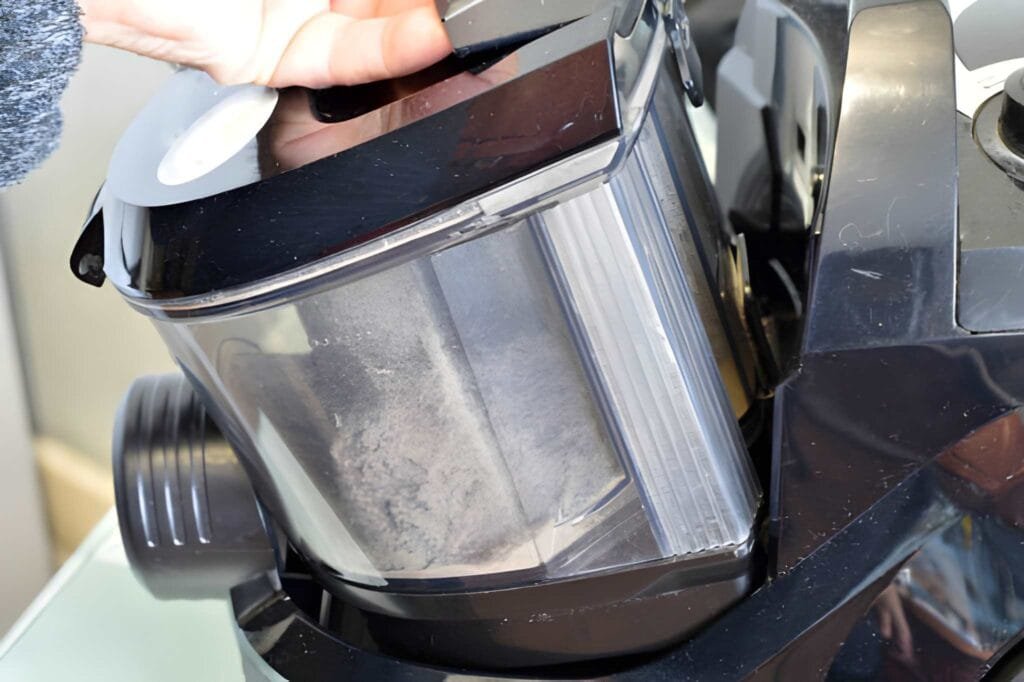
The filter is inside the vacuum’s dirt tank or near the dust bin. It looks like a small, rectangular or circular piece. Check your vacuum’s manual for exact filter location. Most Bissell models have the filter behind a latch or cover. Open the dust bin compartment carefully to find it.
Proper Removal Techniques
Turn off the vacuum and unplug it from the power source. Press the latch or button to open the filter cover. Gently pull the filter straight out to avoid damage. Do not twist or force the filter. Handle it with care to keep it intact. Place the filter on a clean surface before cleaning.
Cleaning Methods For Different Filters
Different Bissell vacuum filters need different cleaning methods. Proper cleaning keeps your vacuum working well. It also helps keep your home air clean. Follow the right steps for each filter type. This guide covers foam, felt, HEPA, and disposable filters.
Washing Foam And Felt Filters
Foam and felt filters can be washed with water. Remove the filter from the vacuum carefully. Rinse it under warm water until the water runs clear. Avoid using soap or detergent. Let the filter air dry completely before putting it back. Do not use a dryer or direct sunlight to dry it. This prevents damage and keeps the filter effective.
Handling Hepa Filters
HEPA filters need gentle care. Some HEPA filters are washable, but check your vacuum manual first. If washable, rinse with cold water only. Do not use soap or scrub the filter. Let it dry naturally for 24 hours before use. Non-washable HEPA filters must be replaced, not cleaned. Replace them regularly to keep your vacuum running well.
Dealing With Disposable Filters
Disposable filters cannot be cleaned. Remove the filter and throw it away after use. Replace it with a new filter that fits your Bissell vacuum. Changing disposable filters regularly keeps your vacuum strong. It also helps keep dust and allergens out of the air. Always follow the replacement schedule in your vacuum manual.
Drying And Reinstalling The Filter
After washing the Bissell vacuum filter, drying it properly is very important. A wet filter can cause damage to your vacuum or reduce its cleaning power. Taking the right steps to dry and reinstall the filter ensures your vacuum works well for a long time.
Drying Tips For Longevity
Place the filter in a warm, dry place. Avoid direct sunlight or heat sources like heaters. Let air flow around it for faster drying. Do not use a hairdryer or any machine to speed up drying. Drying can take up to 24 hours. Make sure the filter is fully dry before putting it back. A damp filter can cause mold or damage the vacuum motor.
Correct Filter Reinstallation
Check the vacuum’s manual for the filter location. Insert the filter gently but firmly into its slot. Make sure it fits snugly and does not move. Close the vacuum cover securely. A loose filter can reduce suction or let dust escape. Test the vacuum after reinstalling to ensure it works correctly. Proper reinstallation keeps your vacuum running smoothly and cleans better.
Maintenance Tips For Peak Performance
Keeping your Bissell vacuum filter clean is key to its strong performance. Regular care helps the vacuum work well and last longer. A dirty filter can slow down suction and reduce cleaning power. Follow these tips to keep your vacuum running at its best.
Cleaning Frequency
Clean the filter after every three uses. If you vacuum large areas or dusty floors, clean it more often. Rinse the filter with cold water only. Avoid using soap or harsh chemicals. Let the filter dry completely before placing it back. A wet filter can cause damage to your vacuum.
Signs Your Filter Needs Replacement
Notice a drop in suction power. The vacuum may leave dirt behind. The filter looks torn or very dirty even after cleaning. A bad smell comes from the vacuum during use. These signs mean it’s time to replace the filter. Using a new filter keeps your vacuum working well.
Troubleshooting Common Issues
Cleaning your Bissell vacuum filter can solve many common problems. Sometimes, the vacuum does not work well even after cleaning. Knowing how to fix these issues saves time and effort. This section helps you identify and fix common problems with your vacuum filter.
Reduced Suction Power
Low suction means dirt and dust stay on the floor. Check the filter for clogs or dirt build-up. Remove the filter and tap it gently to clear dust. Wash the filter with water if it is washable. Let it dry completely before putting it back. Also, check for blockages in the hose or brush roll.
Unusual Odors
Bad smells come from trapped dirt or mold in the filter. Remove the filter and rinse it with warm water. Use a mild soap for stubborn smells. Dry the filter fully in fresh air. Never put a wet filter back inside. Replace the filter if the smell stays after cleaning.
Filter Damage
Look for tears or holes in the filter surface. Damaged filters reduce vacuum efficiency and let dust escape. Replace the filter immediately if you see any damage. Using a damaged filter can harm your vacuum motor. Regularly inspect your filter to avoid this issue.
Frequently Asked Questions
How Often Should I Clean My Bissell Vacuum Filter?
You should clean your Bissell vacuum filter every 1 to 3 months. Regular cleaning ensures optimal suction and prevents clogging. If you use the vacuum frequently, clean the filter more often for best performance.
Can I Wash The Bissell Vacuum Filter With Water?
Yes, most Bissell vacuum filters can be rinsed under cold water. Avoid using soap or harsh chemicals. Let the filter air dry completely for 24 hours before reinserting it to prevent damage.
What Happens If I Don’t Clean The Vacuum Filter?
A dirty filter reduces suction power and vacuum efficiency. It can cause overheating and damage the motor. Cleaning the filter regularly prolongs your vacuum’s lifespan and maintains strong performance.
How Do I Remove The Bissell Vacuum Filter Safely?
Turn off and unplug the vacuum first. Open the filter compartment according to your model’s manual. Gently remove the filter without shaking to avoid spreading dust. Clean or replace it as needed.
Conclusion
Cleaning your Bissell vacuum filter keeps your machine working well. Regular care helps the vacuum pick up dirt better. Wash the filter gently and let it dry fully. This stops dust from building up inside. A clean filter means longer vacuum life and stronger suction.
Keep your home cleaner with simple filter care. Small steps make a big difference in cleaning results. Take a few minutes often to maintain your vacuum. Your Bissell will thank you with better performance every time.