Are you tired of spending money on vacuum cleaner repairs? What if you could fix them yourself, right from your home?
Building your own vacuum cleaner repair shop is easier than you think. With the right tools and simple steps, you can save time and money, and even turn this skill into a side business. Keep reading to discover how you can set up your own repair space and become the go-to expert for vacuum cleaner fixes.
This guide will walk you through everything you need to know—no experience required. Ready to get started?
Essential Tools And Equipment
Setting up a vacuum cleaner repair shop at home needs the right tools and equipment. These items make repairs easier and faster. They help fix common problems and keep vacuum cleaners working well. This section covers the must-have tools and gear for your home workshop.
Basic Repair Tools
Start with basic hand tools. Screwdrivers, both flathead and Phillips, are vital for opening vacuum parts. Pliers help grip and pull small components. A set of wrenches allows you to tighten or loosen bolts. A multimeter checks electrical connections safely. Keep a flashlight nearby to see inside dark parts.
Specialized Vacuum Parts
Stock common vacuum parts. Filters and belts wear out often and need quick replacement. Bags and dust containers must fit specific models. Collect various nozzles and brushes for different surfaces. Having these parts ready cuts repair time. It also improves customer satisfaction.
Safety Gear
Protect yourself with safety gear. Wear gloves to avoid cuts and dirt. Use safety glasses to shield your eyes from dust and debris. A dust mask helps prevent inhaling fine particles. Keep a first aid kit nearby for minor injuries. Safety is a top priority in every repair task.
Setting Up Your Workspace
Setting up your workspace is the first step to building a vacuum cleaner repair shop at home. A well-organized space helps you work efficiently and safely. It saves time and reduces stress. Planning your area carefully makes repairs easier and more enjoyable.
Choosing The Right Location
Select a quiet and clean spot in your home for the repair shop. A garage or spare room works well. The area should have enough space to move around freely. Make sure it is away from dust and dirt. A dry place prevents damage to parts and tools.
Organizing Your Tools
Keep all tools within easy reach. Use pegboards or toolboxes to store screwdrivers, pliers, and other essentials. Label each container for quick access. Organize small parts like screws and filters in clear bins. A tidy workspace speeds up repairs and avoids lost items.
Ensuring Proper Lighting And Ventilation
Good lighting helps you see small parts clearly. Use bright LED lamps or overhead lights. Natural light is helpful but not always enough. Proper ventilation keeps air fresh and removes dust. Open windows or use fans to improve airflow. A well-lit and ventilated space protects your health and work quality.
Learning Vacuum Cleaner Mechanics
Learning vacuum cleaner mechanics is the first step to starting a home repair shop. Understanding how these machines work helps you fix them fast. It also saves money on costly repairs. Knowing the parts and common problems makes repairs easier and more efficient.
This knowledge builds confidence and skill. You can handle many types of vacuum cleaners and keep them running well. Let’s explore the basics of vacuum cleaner mechanics.
Types Of Vacuum Cleaners
Vacuum cleaners come in many styles. Upright models are common in homes. They have a strong suction and wide cleaning path. Canister vacuums are lighter and easier to carry. They work well on stairs and furniture. Handheld vacuums are small and good for quick cleanups. Robot vacuums clean floors automatically. Each type has unique parts and repair needs.
Common Components
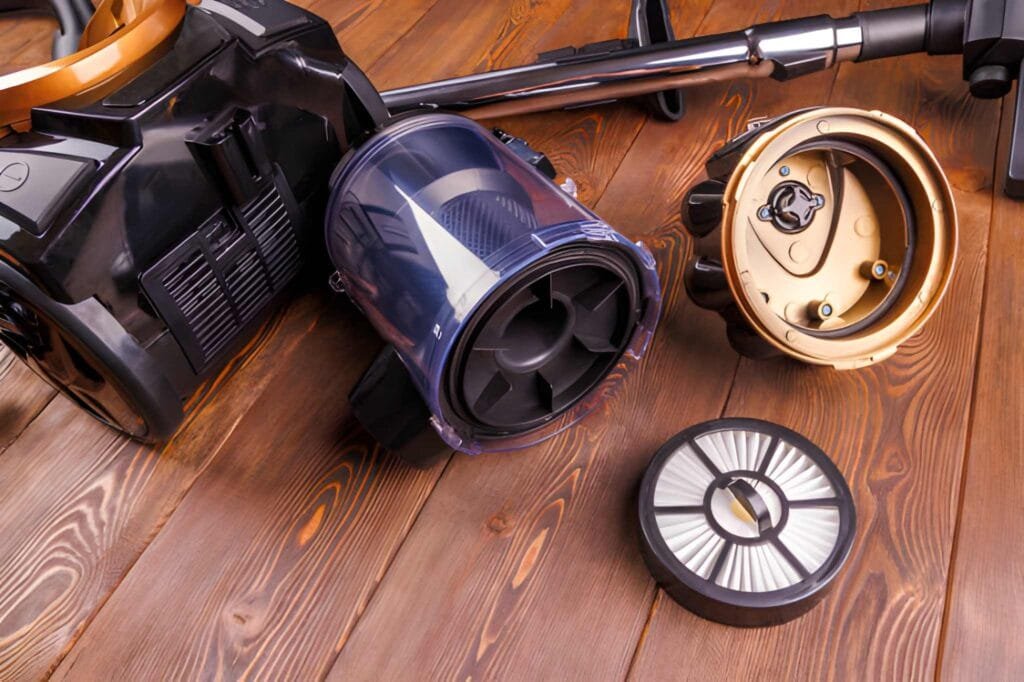
Most vacuum cleaners share key parts. The motor powers suction. The fan pulls air and dirt inside. Filters trap dust and allergens. The brush roll sweeps dirt off floors. The hose directs dirt into the vacuum bag or bin. Power cords supply electricity. Knowing these parts helps identify what needs fixing.
Typical Problems And Fixes
Vacuum cleaners often face common issues. Loss of suction usually means a clogged filter or hose. A brush roll that won’t spin may have a broken belt. Strange noises can come from motor problems or debris stuck inside. Electrical issues might cause the vacuum to not turn on. Cleaning parts and replacing small items often solves these problems quickly.
Sourcing Replacement Parts
Sourcing replacement parts is a key step in building a vacuum cleaner repair shop at home. Good parts keep repairs strong and customers happy. Knowing where to get parts helps save time and money. It also ensures your repairs are reliable and last long.
Choosing the right suppliers and managing your stock carefully makes your shop run smoothly. Pay attention to the quality of parts. Organize your inventory well to avoid delays and shortages.
Finding Reliable Suppliers
Start with suppliers who specialize in vacuum parts. Check their reviews and ratings online. Ask for recommendations from other repair professionals. Reliable suppliers offer good prices and fast shipping. They also have a wide range of parts in stock. Build a good relationship with your suppliers. It helps in getting better deals and support.
Ordering Genuine Vs. Generic Parts
Genuine parts come from the vacuum’s original maker. They fit perfectly and work well. Generic parts cost less but may not last as long. Some generic parts work fine for simple repairs. Choose genuine parts for critical components. Balance cost and quality based on each repair job. Always test parts before using them in repairs.
Inventory Management
Keep your parts organized by type and brand. Use labels and storage bins to find parts quickly. Track your inventory with a simple spreadsheet or app. Note which parts sell fast and reorder them first. Avoid overstocking slow-moving parts. Regularly check your stock for damaged or outdated items. Good inventory management saves time and avoids lost sales.
Establishing Pricing And Services
Setting clear pricing and defining services are key to running a vacuum cleaner repair shop at home. Customers want to know what they pay for and how much it costs. A good pricing strategy builds trust and helps your business grow. Offering different services and packages makes your shop attractive to more people. Also, providing warranties or guarantees shows confidence in your work. This section covers how to set competitive rates, create service packages, and offer warranties.
Setting Competitive Rates
Research local repair shops to see their prices. Match or slightly beat these rates to attract customers. Consider your costs, like parts and time spent. Charge fairly but keep a profit margin. Offer lower prices for simple tasks like filter changes. More complex repairs can cost more. Transparent pricing helps customers decide quickly.
Service Packages
Bundle common repair services into packages. For example, offer a basic tune-up package including cleaning and filter replacement. Create a full repair package for major fixes. Packages save customers money and simplify choices. Promote packages as convenient and cost-effective. Update them regularly based on customer needs and feedback.
Warranty And Guarantees
Offer a warranty on your repair work. This assures customers that you trust your skills. A 30-day warranty on parts and labor is common. Clear warranty terms reduce disputes and build loyalty. Fix any issues under warranty quickly and professionally. Guarantees help your shop stand out from competitors.
Marketing Your Repair Shop
Marketing your vacuum cleaner repair shop is key to attract customers. Without marketing, no one will know about your service. Simple steps can help you reach more people and grow your business. Focus on building trust and showing your skills clearly.
Online Presence
Create a simple website with your contact details and services. Use clear photos of your work. Add a blog with repair tips to show your knowledge. Register on Google My Business to appear in local searches. Use social media to post helpful advice and respond fast to questions.
Local Advertising
Put flyers in nearby stores and community centers. Use local newspapers to place small ads. Attend local markets or fairs to meet potential customers. Place signs outside your home repair shop. Make sure your phone number is easy to read on all materials.
Customer Referrals
Ask happy customers to tell friends about you. Offer small discounts for each referral. Give quick and friendly service to encourage repeat visits. Collect reviews and share them online. Positive word of mouth builds trust and brings more customers.
Managing Customer Relations
Managing customer relations is key to running a successful vacuum cleaner repair shop at home. Happy customers come back and bring others. Building good relationships helps your business grow steadily. Keep customers informed and satisfied. Treat each customer with respect and care. This builds a strong base for your repair shop.
Effective Communication
Clear communication avoids confusion and builds trust. Listen carefully to customers’ problems. Use simple words to explain the repair process. Give honest estimates about cost and time. Keep customers updated about their vacuum cleaner’s status. Answer all questions politely and fully. Good communication makes customers feel valued and confident.
Handling Complaints
Complaints are chances to improve your service. Stay calm and listen without interrupting. Apologize for any inconvenience caused. Find a fair solution quickly and clearly. Follow up to ensure the customer is happy. Use complaints to spot weak areas in your work. Handling complaints well turns unhappy customers into loyal ones.
Building Trust
Trust grows with honesty and reliability. Always do what you promise. Provide quality repairs that last. Keep customer information private and secure. Show respect and patience in every interaction. Ask for feedback and use it to improve. Trust helps customers feel safe choosing your shop again.
Maintaining And Growing Your Business
Running a vacuum cleaner repair shop at home requires more than fixing machines. Keeping your business steady and growing is key to success. You must watch your money, learn new skills, and offer more services. These steps help you keep customers happy and attract new ones. Let’s explore how to maintain and grow your home repair shop.
Tracking Finances
Keep clear records of all income and expenses. Use simple spreadsheets or budgeting apps. Check your profits regularly to see if the business is doing well. Track costs like tools, parts, and electricity. This helps you avoid losses and plan for future needs. Knowing your finances helps you set fair prices for your services.
Upgrading Skills
Learn about new vacuum models and repair techniques. Watch videos or read manuals to stay updated. Join online groups or forums to share tips with others. Practice new skills to fix machines faster and better. Improving your knowledge builds trust with customers. It also helps you handle harder repairs confidently.
Expanding Services
Add related services to attract more customers. Offer cleaning, parts replacement, or maintenance checks. Sell small vacuum accessories or filters. You can also provide pick-up and delivery options. More services bring more income and keep clients coming back. Think about what your customers need and add those services.
Frequently Asked Questions
What Tools Are Essential For A Home Vacuum Repair Shop?
Basic tools include screwdrivers, pliers, multimeter, and cleaning brushes. These help diagnose and fix common vacuum issues quickly. Investing in quality tools improves repair efficiency and customer satisfaction.
How Much Space Do I Need For A Vacuum Repair Shop?
A small room or garage corner of about 50-100 square feet is enough. Ensure good lighting, ventilation, and organized storage for tools and parts. This setup supports smooth workflow and safety.
Can I Start A Vacuum Repair Business Without Experience?
Basic knowledge is recommended, but you can learn through online courses and manuals. Practice on old vacuums to build skills before servicing customers. Experience improves repair quality and customer trust.
What Parts Should I Stock For Vacuum Repairs?
Keep common parts like belts, filters, bags, and brushes. Stocking these ensures quick replacements and faster service. Regularly update inventory based on repair trends and customer needs.
Conclusion
Building a vacuum cleaner repair shop at home takes time and effort. Start with basic tools and learn step by step. Keep your workspace clean and organized for better results. Practice fixing simple parts first to gain confidence. Stay patient and keep improving your skills daily.
Soon, you will handle many repairs with ease. This small business can bring steady income and useful experience. Begin now and watch your skills grow. Success comes with dedication and hard work.