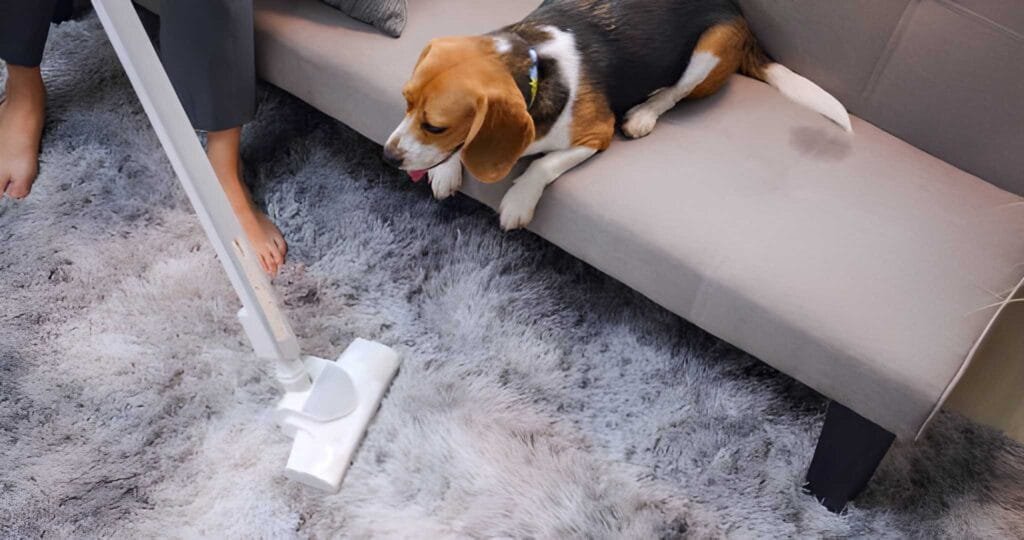
If you have pets, you know how fast their fur can take over your home. You might be wondering, how often should you vacuum to keep your space clean and your air fresh?
Finding the right balance isn’t just about cleanliness—it’s about comfort for you and your furry friends. Keep reading, and you’ll discover simple tips to make vacuuming easier and more effective, so you can enjoy a cleaner, healthier home every day.
Pet Hair Challenges
Pet hair can create many cleaning challenges at home. It sticks to furniture, carpets, and clothes. It spreads quickly and can be hard to remove. Understanding pet hair types and shedding helps manage these problems better.
Knowing how pet hair affects your home cleanliness can guide your vacuuming routine. This keeps your living space fresh and comfortable.
Common Pet Hair Types
Pets have different types of hair. Some have short, fine hair that falls easily. Others have long, thick hair that tangles and mats. Some pets have double coats with a soft underlayer and coarse top layer. Each type needs different cleaning care.
Shedding Patterns
Shedding varies by pet breed and season. Some pets shed all year. Others shed mostly in spring and fall. Stress, diet, and health also affect shedding. Daily shedding means more frequent vacuuming is necessary.
Hair Impact On Home Cleanliness
Pet hair can cause allergies and dust buildup. It clogs vacuum filters and reduces their efficiency. Hair on floors and furniture makes rooms look untidy. Regular vacuuming helps control hair and keeps your home clean.
Vacuum Frequency Basics
Vacuum Frequency Basics help keep your home clean and healthy with pets around. Pets shed hair and dander daily. Dirt and dust also build up fast. Knowing how often to vacuum can save time and effort. It keeps your floors fresh and reduces allergens in the air.
Daily Vs Weekly Vacuuming
Daily vacuuming works well for homes with multiple pets. It stops hair and dirt from piling up. Weekly vacuuming suits homes with one pet or low shedding. It still keeps floors clean but needs less time. Choose a schedule that fits your pet’s activity and shedding level.
Factors Influencing Frequency
Pet type affects vacuum needs. Dogs with long fur need more cleaning than short-haired cats. Pet size matters too. Larger pets leave more hair and dirt. Your home’s floor type is important. Carpets trap hair and dust more than hard floors. Allergy sufferers might need more frequent vacuuming.
Signs You Need To Vacuum More
Hair clumps on furniture or floors mean vacuum more often. You notice pet dander causing sneezing or itching. Floors look dusty or dirty after a day. Pet odors linger in rooms. These signs show it’s time to increase vacuum frequency for a cleaner home.
Best Vacuum Types For Pets
Choosing the best vacuum for homes with pets is important. Pets shed hair and bring dirt inside. A good vacuum helps keep your floors clean and fresh. It also saves time and effort during cleaning.
Features To Look For
Strong suction power picks up pet hair easily. A vacuum with a brush roll helps lift hair from carpets. HEPA filters trap pet dander and dust, improving air quality. A wide nozzle covers more area and cleans faster. Easy to empty dust bins make cleaning quick and neat.
Top Vacuum Models
Some models stand out for pet owners. The Dyson Ball Animal is strong and has good filters. Shark Navigator Lift-Away works well on carpets and hard floors. Bissell Pet Hair Eraser targets pet messes with special tools. These vacuums combine power and pet-friendly features.
Corded Vs Cordless Options
Corded vacuums offer constant power for deep cleaning. They are good for large homes with many pets. Cordless vacuums give freedom to move without plugs. They are lighter and easier for quick cleanups. Choose based on your home size and cleaning habits.
Vacuuming Techniques
Vacuuming with pets requires smart techniques to keep your home clean. Pet hair and dirt spread fast. Using the right vacuuming methods saves time and effort. It also helps maintain a fresh, healthy space for you and your pets.
Effective Cleaning Methods
Start by choosing a vacuum with strong suction. Use slow, steady strokes to lift pet hair. Vacuum in multiple directions to catch all debris. Change or clean filters often to keep the machine working well. Empty the dustbin regularly to avoid clogging.
Handling Pet Hair On Furniture
Use a handheld vacuum or an upholstery tool for furniture. Run the vacuum gently over cushions and fabric surfaces. For stubborn hair, use a rubber glove to gather it first. Vacuum again after using the glove to remove loose hair. Repeat weekly to keep furniture hair-free.
Cleaning Hard-to-reach Areas
Use narrow vacuum attachments for corners and edges. Move furniture carefully to clean underneath. Vacuum baseboards and vents to remove hidden dust. Use a soft brush tool for delicate areas. Regular cleaning in these spots prevents pet hair buildup.
Additional Cleaning Tips
Vacuuming often helps keep your home clean with pets. Still, some extra steps improve air quality and reduce pet hair and dust. These tips support your regular cleaning and keep your space fresh and healthy.
Using Air Filters And Purifiers
Air filters catch small particles that vacuuming misses. Use HEPA filters in your vacuum and air purifier. These filters trap pet dander, dust, and allergens. Place purifiers in rooms where pets spend most time. Clean or change filters regularly for best results.
Regular Pet Grooming
Brush your pet often to reduce shedding. Bath your pet regularly to keep skin healthy. Clean pets shed less hair and dander inside your home. Grooming also helps spot skin problems early. Use pet-friendly grooming tools and shampoos.
Managing Pet Dander And Allergens
Pet dander can cause allergies and irritate lungs. Wash pet bedding weekly in hot water. Wipe down pet toys and surfaces to remove dust. Use washable covers on furniture to catch hair. Keep pets out of bedrooms for better air quality.
Frequently Asked Questions
How Often Should You Vacuum With Pets At Home?
Vacuuming 3-4 times weekly helps control pet hair and dander. High-shedding pets may require daily cleaning to maintain freshness.
Does Vacuuming Reduce Pet Allergens Effectively?
Yes, regular vacuuming with a HEPA filter traps pet allergens. This reduces airborne particles and helps allergy sufferers breathe easier indoors.
What Vacuum Features Are Best For Pet Hair Removal?
Choose vacuums with strong suction, brush rolls, and HEPA filters. These features efficiently lift pet hair and trap microscopic allergens.
Can Vacuuming Prevent Pet Odors In The House?
Frequent vacuuming removes hair, dander, and dirt that cause odors. Combine with occasional deep cleaning to keep your home smelling fresh.
Conclusion
Pets bring joy and mess to your home. Vacuuming often keeps floors clean and fresh. Aim to vacuum at least two to three times weekly. More if your pet sheds a lot or plays indoors. Regular cleaning helps reduce pet hair and dander.
It also cuts down on odors and allergies. Small effort, big difference for your home’s health. Your pets will enjoy a cleaner space too. Keep a routine that fits your pet’s needs. Clean floors make happy pets and happy people.