How long do vacuum cleaner bags last? If you’ve ever wondered why your vacuum suddenly loses power or stops picking up dirt as well as before, the answer might be right inside your vacuum bag.
Knowing when to change your vacuum cleaner bag can save you time, money, and frustration. You’ll learn clear signs that show it’s time for a replacement and simple tips to keep your vacuum working like new. Keep reading to make sure your cleaning routine stays efficient and hassle-free!
:strip_icc()/BHG-vacuum-seal-bags-storage-7369797-hero-01-44543-a4e222f657be44408f82ed6d5e2391f4.jpg)
Credit: www.bhg.com
Vacuum Bag Lifespan Factors
The lifespan of a vacuum cleaner bag depends on several key factors. These factors affect how long the bag can hold dirt before it needs changing. Understanding these can help you get the best use from each bag. It also helps keep your vacuum working well and your home clean.
Material Quality
The quality of the vacuum bag material affects its durability. Bags made from strong, thick materials last longer. Thin or low-quality bags tear easily and need frequent replacement. Some bags have special filters that trap more dust. These bags may last longer but cost more.
Vacuum Usage Frequency
How often you vacuum changes how fast the bag fills up. Daily vacuuming fills bags quickly. Weekly or monthly use means bags last longer. Heavy use means more dirt and faster clogging. Light use keeps the bag cleaner for a longer time.
Type Of Debris Collected
The kind of dirt affects bag lifespan. Fine dust fills bags slower than large debris. Hair and pet fur can clog bags faster. Wet or sticky messes can damage bags quickly. Dry, loose dirt is easier for bags to hold.
Signs To Replace Vacuum Bags
Knowing when to replace vacuum cleaner bags helps keep your vacuum working well. Old or full bags reduce cleaning power. Dust and dirt can clog the bag, making your vacuum less effective. Watch for clear signs that your bag needs changing. This keeps your home cleaner and your vacuum lasting longer.
Reduced Suction Power
Your vacuum picks up less dirt than before. The suction feels weaker during use. This happens because the bag fills with dust and blocks airflow. Clean bags let air pass easily. Replace the bag to restore strong suction power.
Visible Bag Fullness
See the bag through a clear window or open the vacuum. If the bag looks full or swollen, it’s time to replace it. A full bag cannot hold more dirt. Changing the bag keeps your vacuum working at its best.
Unpleasant Odors
Smell bad odors while vacuuming or after. Dust, dirt, and moisture trapped in the bag cause smells. A fresh bag stops the odor from spreading. Replace the bag to keep your home smelling clean.
Extending Vacuum Bag Life
Extending the life of vacuum cleaner bags saves money and keeps your vacuum working well. Taking simple steps helps your bags last longer and perform better. These steps also keep your home cleaner by preventing dust spills. Follow easy tips for better vacuum bag use.
Regular Maintenance
Empty or change vacuum bags before they get too full. Overfilled bags reduce suction power. Check the bag often during cleaning. Clean the vacuum filter regularly to avoid blockages. A clean vacuum works more efficiently. This helps bags fill evenly and last longer.
Proper Storage
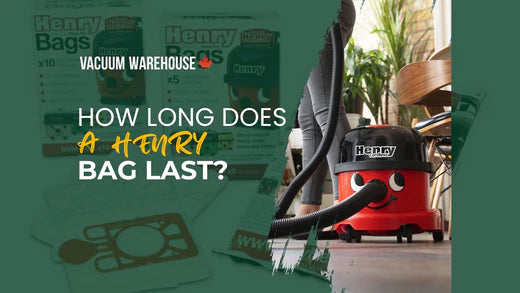
Store vacuum bags in a dry place away from heat. Moisture can damage the bag material and cause mold. Keep bags in their original packaging to prevent dust from entering. Avoid crushing bags during storage. Proper storage keeps bags clean and ready to use.
Using Correct Bag Types
Always use vacuum bags made for your vacuum model. Wrong bags may not fit well and cause leaks. Bags not made for your vacuum may tear easily. Using the correct type helps your vacuum keep strong suction. This protects the motor and improves cleaning results.
Comparing Disposable And Reusable Bags
Vacuum cleaner bags come in two main types: disposable and reusable. Each type has unique features that affect how long they last. Understanding the differences helps in choosing the right bag for your needs. Let’s compare these bags in terms of durability, cost, and environmental impact.
Durability Differences
Disposable bags are made for one-time use only. They fill up and then get thrown away. Reusable bags are built to last through many cleanings. They use stronger materials like cloth or heavy plastic. Reusable bags can be washed and emptied. This makes them last much longer than disposable ones.
Cost Implications
Disposable bags cost less at first. But you must buy them again often. Reusable bags cost more upfront. You pay once and use them many times. Over time, reusable bags save money. Fewer replacements mean less spending in the long run.
Environmental Impact
Disposable bags create more waste. They add to landfill problems. Reusable bags reduce trash by lasting longer. Washing reusable bags uses water and energy. Still, they help cut down on plastic and paper waste. Choosing reusable bags supports a cleaner environment.
Tips For Choosing Vacuum Bags
Choosing the right vacuum cleaner bag helps keep your home clean and your vacuum working well. The right bag fits your vacuum and holds dirt without breaking. It also helps trap dust and allergens. Follow these tips to pick the best vacuum bags for your needs.
Compatibility With Vacuum Models
Always check if the bag fits your vacuum model. Bags come in different shapes and sizes. Using the wrong bag can cause leaks or damage your vacuum. Look for bags made for your vacuum brand and model number. This ensures a tight fit and better suction.
Bag Capacity
Bag capacity shows how much dirt the bag can hold. Larger bags last longer before you must change them. Smaller bags may clog faster and reduce vacuum power. Choose a bag size that matches your cleaning habits and home size. Bigger homes may need bigger bags to avoid frequent changes.
Filter Features
Some vacuum bags include extra filters to trap fine dust and allergens. Bags with built-in filters improve air quality in your home. They help reduce sneezing and allergies. Check if the bag has HEPA filters or similar features. These bags provide cleaner exhaust air and better protection for your family.
Credit: vacuumwarehouse.ca
Credit: www.shieldstorage.com
Frequently Asked Questions
How Often Should Vacuum Cleaner Bags Be Replaced?
Vacuum cleaner bags should be replaced when they are about two-thirds full. This maintains suction power and cleaning efficiency. Overfilled bags reduce airflow and can damage the vacuum motor. Regular checks every few weeks help ensure timely replacement and optimal vacuum performance.
What Factors Affect Vacuum Bag Lifespan?
Vacuum bag lifespan depends on usage frequency, dirt volume, and vacuum type. Homes with pets or heavy dust require more frequent changes. Larger-capacity bags last longer than smaller ones. Proper maintenance and using the right bag model also extend lifespan.
Can I Reuse Vacuum Cleaner Bags?
Reusing vacuum cleaner bags is not recommended. Bags lose suction and may tear after use. Reusing can cause dust leaks and damage the vacuum. Always replace bags with compatible new ones for best cleaning results.
How Do I Know When Vacuum Bags Are Full?
Signs of full vacuum bags include reduced suction and unusual vacuum noises. Check the bag regularly for visible dirt build-up. Some models have indicators showing bag fullness. Timely replacement improves vacuum efficiency and prevents motor strain.
Conclusion
Vacuum cleaner bags usually last between one to three months. This depends on how often you clean and the size of the bag. A full bag can reduce your vacuum’s power and make cleaning harder. Check your vacuum bag regularly to know when to change it.
Using the right bag for your vacuum also helps it last longer. Small bags fill up faster, so change them more often. Keeping your vacuum bag fresh keeps your home cleaner and your machine working well. Simple care goes a long way in vacuum performance.