Have you ever wondered how long your robot vacuum will keep your floors spotless before you need a replacement? You rely on it to save time and effort, but knowing its lifespan can help you make smarter buying decisions.
You’ll discover key factors that affect how long robot vacuums last and practical tips to extend their life. By the end, you’ll feel confident about choosing and maintaining the perfect cleaning companion for your home. Keep reading to unlock the secrets to getting the most out of your robot vacuum.
Robot Vacuum Lifespan Factors
Several factors affect how long a robot vacuum lasts. Knowing these can help you choose and care for your device better. Lifespan depends on the machine’s parts, how often you use it, and how well you maintain it. Below are the main factors that influence a robot vacuum’s durability.
Build Quality And Materials
The quality of materials impacts the vacuum’s strength. Stronger plastic and metal parts last longer. Cheap materials can break or wear out fast. Well-made robots handle bumps and falls better. They also resist dust and dirt damage more effectively.
Battery Life And Replacement
Battery health is key to robot vacuum life. Most use lithium-ion batteries that lose power over time. A good battery may last two to three years. Replacing the battery can extend the vacuum’s use. Check if the battery is easy to replace before buying.
Usage Frequency
Using the vacuum every day wears it out quicker. Frequent use stresses the motor, wheels, and sensors. Rare use means parts stay in better shape longer. Balance how often you run the vacuum to save its parts. Adjust use based on your home’s cleaning needs.
Maintenance And Care
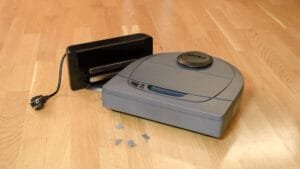
Regular cleaning and care keep the vacuum working well. Empty the dustbin after every use. Clean brushes and sensors to avoid clogs. Replace worn parts like filters and brushes on time. Proper care prevents damage and extends the vacuum’s life.
Average Lifespan Of Robot Vacuums
Robot vacuums have become popular for easy home cleaning. Many wonder how long these devices last. The average lifespan depends on the model and usage. Understanding the differences helps in choosing the right vacuum for your needs. Battery life, build quality, and maintenance affect durability.
Entry-level Models
Entry-level robot vacuums last about 2 to 3 years. They have basic features and simpler designs. Batteries in these models may wear out faster. Parts might not be as durable as in pricier options. Regular cleaning and proper care can extend their life. These models suit light cleaning tasks and small spaces.
Mid-range Models
Mid-range robot vacuums usually last 3 to 5 years. They offer better battery life and stronger parts. These vacuums include more advanced sensors and cleaning modes. Regular maintenance keeps them running smoothly longer. They fit well for medium-sized homes with pets or kids. Investing in these models balances cost and durability.
High-end Models
High-end robot vacuums can last 5 to 7 years or more. They come with powerful batteries and tough materials. These models often have smart navigation and self-cleaning features. Frequent software updates improve their performance over time. Proper care and battery replacement extend their lifespan. Ideal for large homes and heavy cleaning needs.
Signs Your Robot Vacuum Needs Replacement
Knowing when to replace your robot vacuum is important. It helps keep your home clean without wasting money. Some signs show your vacuum is past its best time. Watch for these to decide if it’s time for a new one.
Decreased Cleaning Performance
Your robot vacuum cleans less well than before. It misses dirt and dust in many spots. Brushes may not spin properly or get stuck. Floors stay dirtier even after several cleaning cycles. This means the vacuum is losing its power.
Battery Issues
The battery drains very fast or won’t hold charge. Charging takes longer than usual or stops early. The vacuum runs for only a few minutes now. Replacing the battery might help, but often the whole vacuum needs replacement.
Frequent Repairs
Parts break down more often than before. You spend more time fixing than using it. Repair costs add up and are close to buying new. Constant problems reduce the vacuum’s reliability and value.
Obsolete Software Support
The vacuum no longer receives software updates from the maker. It may not connect to your phone or smart home systems. Missing updates can cause poor performance or security risks. Old software means the vacuum cannot keep up with new features.
Tips To Extend Robot Vacuum Lifespan
Robot vacuums are a smart way to keep floors clean. Taking care of them helps save money and avoids frequent replacements. Simple steps can keep your robot vacuum working well for a long time. Follow these tips to extend its lifespan and get the best performance every day.
Regular Cleaning And Filter Changes
Clean the vacuum’s brushes and wheels often. Dirt and hair can block parts and reduce suction. Change or wash filters as the manual suggests. Clean filters help the vacuum pick up dirt better. Regular maintenance stops damage and keeps the machine running smoothly.
Proper Battery Charging Habits
Charge the battery according to the manufacturer’s instructions. Avoid leaving the vacuum charging all the time. Overcharging can shorten battery life. Use the vacuum regularly to keep the battery active. Replace the battery if it no longer holds a good charge.
Software Updates
Check for software updates from the maker. Updates can fix bugs and improve cleaning paths. Install new versions to keep the vacuum running efficiently. Updated software can also add new features and improve battery use.
Safe Storage Practices
Store the vacuum in a dry place away from heat. Avoid places with extreme cold or hot temperatures. Keep it on a flat surface to protect sensors and wheels. Proper storage prevents damage and keeps the vacuum ready for use.
Comparing Robot Vacuum Brands
Choosing the right robot vacuum means knowing how long it will last. Different brands build their vacuums with varying quality and parts. Some last years without trouble, while others may need repairs sooner. Comparing brands helps find a vacuum that fits your needs and budget.
Durability Ratings
Durability ratings show how well a robot vacuum holds up over time. These ratings come from tests on materials and parts. Brands with higher durability scores use stronger motors and better batteries. They also resist damage from bumps and dust. Checking these ratings can save money on early replacements.
Warranty Periods
Warranty periods tell how long a brand trusts its product. Longer warranties suggest better quality and fewer problems. Some brands offer one year, others two or three years. A good warranty covers repairs and part replacements. It gives peace of mind and protects your investment.
Customer Feedback On Longevity
Customer reviews reveal real-life experiences with robot vacuums. Many users share how long their vacuums last before breaking. Brands with positive feedback often have reliable and durable products. Negative comments may point to common issues or short lifespans. Reading reviews helps understand what to expect from each brand.
Future Trends Impacting Lifespan
The lifespan of robot vacuums depends on many factors. New technologies are changing how long these devices last. These future trends help improve durability and performance. They also make maintenance easier and extend battery life. Understanding these trends helps buyers choose better models.
Advancements In Battery Technology
Battery improvements increase robot vacuum runtime. New batteries hold charge longer and last through many cycles. Faster charging reduces downtime between cleaning sessions. These changes help vacuums work effectively for years. Stronger batteries also lower the chance of sudden failure.
Self-maintenance Features
Robots with self-cleaning brushes and filters reduce wear. They remove dust and hair automatically during operation. This keeps parts cleaner and prevents damage. Self-maintenance saves time and lowers repair needs. It helps the vacuum stay in good shape longer.
Modular Designs For Easy Repairs
Modular parts allow quick replacement of worn components. Users can swap batteries, brushes, or sensors without expert help. This design cuts down repair costs and downtime. It extends the vacuum’s useful life by avoiding full replacement. Modular robots are more user-friendly and sustainable.
Frequently Asked Questions
How Long Does A Robot Vacuum Typically Last?
Robot vacuums usually last between 3 to 5 years with proper care. Battery life and maintenance significantly affect their lifespan. Regular cleaning and timely part replacements help extend their usability.
What Factors Affect Robot Vacuum Lifespan?
Battery quality, usage frequency, and maintenance are key factors. High-quality models and gentle usage increase longevity. Neglecting filter and brush cleaning can shorten the device’s life.
Can Battery Replacement Extend Robot Vacuum Life?
Yes, replacing the battery can add 1 to 2 years. Batteries degrade over time, reducing runtime. A fresh battery restores performance and extends overall vacuum life.
How Often Should I Maintain My Robot Vacuum?
Maintenance should be done weekly or biweekly depending on usage. Clean brushes, empty dustbins, and check sensors regularly. Proper upkeep prevents malfunctions and keeps the vacuum running longer.
Conclusion
Robot vacuums can last several years with good care. Regular cleaning and battery checks help keep them working well. Replacing parts like brushes and filters extends their life. Choosing a model with durable build also matters. Expect about three to five years of use on average.
Small efforts make a big difference in how long they run. Keep these tips in mind to enjoy your robot vacuum longer. A well-maintained vacuum saves time and keeps your home clean.