Have you ever wondered what happens inside your bagless vacuum cleaner when you switch it on? Understanding how this handy device works can help you get the most out of it and keep your home spotless with less effort.
You’ll discover the simple yet clever technology behind bagless vacuums and why they might be the perfect fit for your cleaning routine. Keep reading to unlock the secrets that make your vacuum cleaner a powerful cleaning partner.
Bagless Vacuum Basics
Bagless vacuum cleaners offer a modern way to keep floors clean without the need for dust bags. They collect dirt directly into a clear container. This makes it easy to see when it needs emptying. Understanding their basic design helps explain how they work.
These vacuums use technology that keeps suction strong and dust contained. They are popular because they save money and reduce waste. Here is a closer look at their main parts and how suction is created.
Key Components
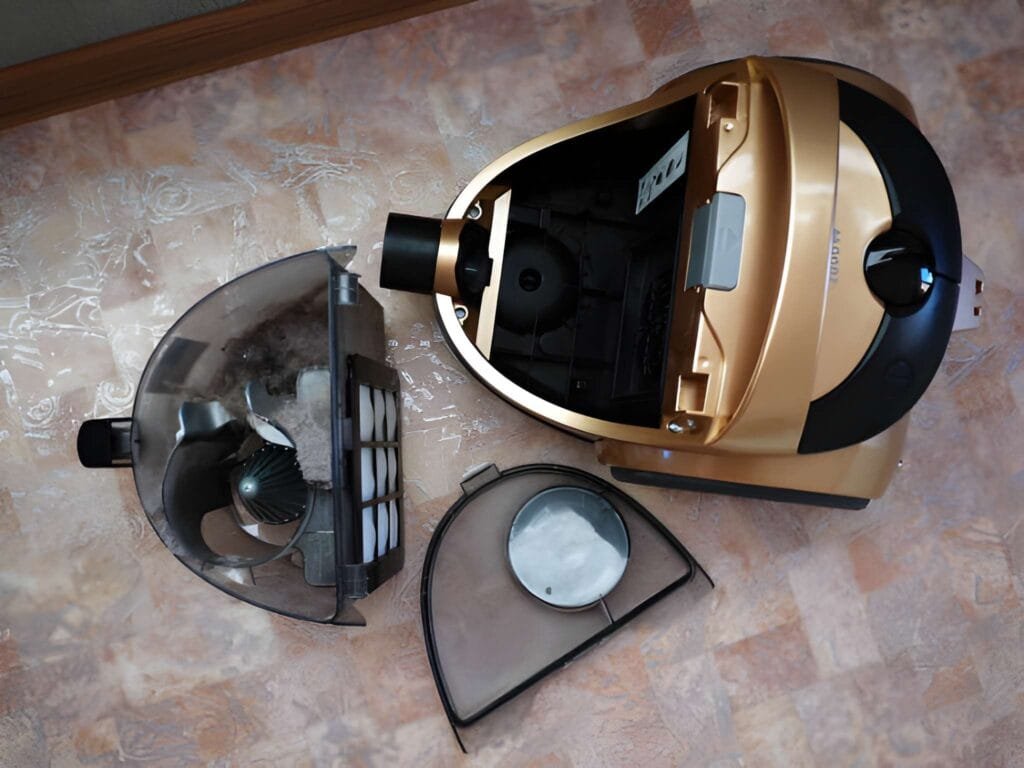
Bagless vacuums have several important parts. The clear dust container holds dirt and debris. A filter traps fine dust to keep the air clean. The motor powers the vacuum and creates suction. The brush head helps lift dirt from floors. Each part works together to clean efficiently.
How Suction Is Created
The motor spins a fan inside the vacuum. This fan pulls air from the floor through the brush head. The air carries dirt and dust into the container. The filter stops dust from escaping back into the room. This airflow creates strong suction that lifts debris effectively.
Cyclonic Technology
Cyclonic technology is a key feature in many bagless vacuum cleaners. It helps keep the vacuum working well for a long time. This technology uses fast spinning air to separate dirt from the air inside the vacuum. It stops the filter from getting clogged quickly. This keeps strong suction power during cleaning.
Role Of Cyclones
Cyclones are small chambers inside the vacuum. Air and dust enter these chambers at high speed. The air spins around inside in a circle. This spinning action pushes heavy dust and dirt to the outside walls of the cyclone. The dirt then falls into a dustbin below. The clean air moves upward and passes through filters. This process helps keep the vacuum cleaner efficient.
Separating Dust And Air
The main job of cyclonic technology is to separate dust from air. The spinning air causes dust particles to move differently than air. Dust is heavier, so it moves outward and falls. Clean air, which is lighter, stays in the center and moves on. This separation means less dust reaches the filter. Filters stay cleaner longer. This also means the vacuum keeps strong suction for longer times.
Dust Collection Mechanism
The dust collection mechanism is a key part of a bagless vacuum cleaner. It captures dirt and dust from your floors and stores it inside the machine. This system replaces the traditional vacuum bags. It keeps your home clean and makes emptying quick and simple.
Dustbin Design
The dustbin is clear and usually made of plastic. You can see how much dirt it holds. This design helps you know when to empty it. The dustbin fits tightly inside the vacuum. It stops dust from escaping back into the air. Some dustbins use a cyclonic action to separate dirt. This spins the air fast, pushing dust to the sides. It keeps the filter cleaner and the suction strong.
Easy Disposal Features
Emptying the dustbin is simple and clean. Most models have a button to release the bottom lid. Dirt falls straight into the trash without touching your hands. Some dustbins come with a handle for easy removal. The design prevents dust clouds from forming. This makes the process less messy and more hygienic. You do not need bags, reducing waste and cost.
Filtration System
The filtration system is a key part of a bagless vacuum cleaner. It cleans the air before it leaves the machine. Dust, dirt, and allergens get trapped inside the filters. This keeps the air in your home fresh and healthy.
Good filtration helps stop tiny particles from escaping back into the room. It also protects the vacuum’s motor from damage caused by dust. A strong filtration system means better cleaning and longer vacuum life.
Types Of Filters
Bagless vacuums use different kinds of filters. The most common is the foam filter. It catches large dust and dirt particles. Another type is the HEPA filter. HEPA filters trap very small particles like pollen and pet dander. Some vacuums have carbon filters to reduce bad smells.
Many models combine several filters for extra cleaning power. Cyclonic technology spins dirt away from the filter. This prevents clogging and keeps suction strong. Knowing filter types helps you choose the best vacuum for your needs.
Maintaining Air Quality
Clean filters keep the vacuum working well. Dirty filters block airflow and reduce suction. They also let dust escape into the air. Regular filter cleaning is important. Wash foam and reusable filters with water. Replace HEPA filters as the manual says.
Check filters every few weeks during heavy use. Good care improves air quality and vacuum performance. It helps everyone breathe easier at home.
Motor And Power Source
The motor and power source are the heart of a bagless vacuum cleaner. They create the suction needed to pull dirt and dust from floors and surfaces. Understanding how they work helps in choosing the right vacuum and using it effectively.
Motor Functionality
The motor spins a fan at high speed. This spinning fan creates air pressure. Lower pressure inside the vacuum pulls air through the nozzle. The air carries dirt and dust into the collection bin. The motor’s power controls the suction strength. Stronger motors mean better cleaning on thick carpets and hard floors.
Energy Efficiency
Energy-efficient motors use less electricity to run. They still produce strong suction without wasting power. Many bagless vacuums have motors designed to save energy. This helps reduce electricity bills. Efficient motors also produce less heat and noise. Choosing an energy-efficient vacuum is good for the environment and your wallet.
Advantages Over Bagged Vacuums
Bagless vacuum cleaners offer several clear advantages over traditional bagged models. They simplify cleaning tasks and reduce ongoing costs. These benefits make them a popular choice for many households. Below, key advantages highlight why bagless vacuums stand out.
Cost Benefits
Bagless vacuums save money by eliminating the need for replacement bags. No more buying bags every few months. This reduces the overall cost of ownership. Users only need to empty the dust container. This simple step lowers ongoing expenses significantly.
Fewer supplies mean less hassle and fewer extra purchases. Over time, these savings add up. Bagless designs provide an affordable cleaning solution without sacrificing performance.
Convenience And Maintenance
Emptying a bagless vacuum is quick and easy. Simply remove the dust container and dump the dirt. This process avoids the mess and hassle of changing bags. Cleaning the vacuum becomes less time-consuming.
Bagless models also let users see when the container is full. This feature helps maintain strong suction power. Filters and containers are often washable, extending the vacuum’s life. Simple upkeep keeps the vacuum working well for years.
Common Issues And Fixes
Bagless vacuum cleaners offer many benefits but can face common problems. Knowing these issues helps keep your vacuum running well. Simple fixes can restore its power and suction fast.
Clogging Problems
Clogs often happen in the vacuum’s hose or dust container. Dirt, hair, and debris can block airflow. This lowers suction and makes cleaning harder. Check the hose and dustbin for blockages regularly.
Remove the hose carefully to clear any stuck debris. Use a long, flexible brush or a stick to push out clogs. Empty the dust container before it gets too full. This prevents clogs and improves suction.
Filter Cleaning Tips
Filters trap fine dust and keep the vacuum clean. Dirty filters reduce performance and may cause overheating. Clean filters every few uses to keep the vacuum working well.
Remove the filter and tap it gently to remove dust. Some filters can be rinsed with water. Let them dry completely before putting them back. Replace filters if they are damaged or very dirty.
Frequently Asked Questions
How Does A Bagless Vacuum Cleaner Collect Dirt?
A bagless vacuum uses a cyclone system to separate dirt and debris. It spins air rapidly, forcing dust into a clear dustbin. This design eliminates the need for bags and allows easy emptying and cleaning, making it efficient and cost-effective for regular use.
What Are The Main Parts Of A Bagless Vacuum?
Key components include the motor, cyclone chamber, filter, and dustbin. The motor powers suction, while the cyclone chamber separates dust. Filters trap fine particles, and the dustbin collects debris. These parts work together to provide strong cleaning without using disposable bags.
How Do Filters Work In Bagless Vacuum Cleaners?
Filters capture tiny dust particles and allergens from the airflow. HEPA filters are common and trap 99. 97% of particles. Regular filter cleaning or replacement maintains suction power and air quality. This ensures a cleaner environment and prolongs the vacuum’s lifespan.
Are Bagless Vacuum Cleaners More Cost-effective?
Yes, bagless vacuums save money by eliminating bag purchases. Users only need to empty and occasionally clean the dustbin. Maintenance costs are generally lower, but filters may require periodic replacement. Overall, they offer long-term savings and convenience compared to bagged models.
Conclusion
A bagless vacuum cleaner uses strong suction and filters to clean dirt. Dust collects in a clear container you can empty easily. This design saves money by removing the need for bags. Regular cleaning keeps the vacuum working well for a long time.
Many people find bagless models simple and convenient to use. Understanding how it works helps you choose the right vacuum. A cleaner home feels more comfortable and fresh every day.