Have you ever spotted a spider in your home and wondered if your vacuum cleaner could be the easiest way to get rid of it? You might think that sucking up a spider means it’s instantly gone for good.
But does vacuuming really kill spiders, or do they survive and come crawling back? If you want to know the truth and learn the best way to handle these creepy visitors, keep reading. This article will clear up the mystery and help you decide how to deal with spiders in your space once and for all.
Can Vacuums Kill Spiders
Can vacuums kill spiders? Many people wonder if sucking up spiders with a vacuum cleaner really ends their lives. The answer depends on several factors, such as the power of the vacuum and the spider’s resilience. Understanding these details helps decide if a vacuum is a good tool for spider removal.
How Vacuum Suction Affects Spiders
Vacuum suction pulls spiders quickly into the machine. Strong suction can injure or kill small spiders instantly. Larger spiders might survive the initial pull but get trapped inside. The force can break fragile spider legs or damage their bodies. Suction strength plays a key role in whether spiders live or die.
Spider Survival Inside Vacuum Bags
Many spiders survive inside vacuum bags for some time. The bag limits their oxygen and space, which can weaken them. Some spiders may escape if the bag is not sealed well. Others might stay alive until the bag is emptied outside. Survival depends on the spider type and how long it stays trapped.
Differences Between Vacuum Types
Vacuum cleaners vary in power and design. Upright vacuums usually have stronger suction than handheld models. Bagless vacuums might keep spiders alive longer inside the dust container. Bags can trap spiders more tightly but may also allow some air flow. Choosing the right vacuum affects spider removal success.
Factors Influencing Spider Death
Many factors affect whether a vacuum can kill a spider. Understanding these helps know what happens during vacuuming. Spiders vary in size and type, vacuums differ in power, and the environment plays a role too.
Spider Species And Size
Spider species have different body strengths and shapes. Small spiders often get hurt more easily inside vacuums. Big spiders may survive longer due to their tough bodies. Some spiders can curl up, protecting vital parts from damage. Others have fragile legs that break quickly under pressure. Species with thick exoskeletons resist damage better than soft-bodied spiders.
Vacuum Power And Duration
Vacuum strength impacts spider survival a lot. Strong vacuums create powerful suction that can harm spiders fast. Weak vacuums may only trap them without killing. The time spiders stay inside the vacuum matters too. Longer vacuuming increases the chance of death. Some vacuums blow air inside, which can injure spiders or dry them out.
Environmental Conditions
Temperature and humidity inside the vacuum affect spider survival. Dry air can kill spiders by dehydration. Cold temperatures slow their metabolism, sometimes helping them survive longer. Warm and moist conditions may keep spiders alive for hours. Dust and debris inside the vacuum can also harm spiders by scratching or blocking breathing tubes.
Vacuuming Spiders Safely
Vacuuming spiders can be a quick way to remove them. Doing it safely helps avoid mess and stress. Follow simple steps to keep spiders contained and dispose of them properly.
Avoiding Spider Escape
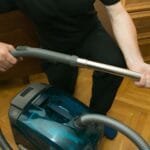
Spiders can be quick and slippery. Close all doors and windows in the room first. Move slowly and aim the vacuum nozzle directly at the spider. Do not rush or shake the vacuum hose. This keeps spiders from running away or hiding.
Using Vacuum Attachments
Use narrow or brush attachments on your vacuum. These help reach corners and crevices where spiders hide. Attachments create better suction near walls and baseboards. They also protect fragile spider webs if you want to keep them intact.
Disposing Of Vacuum Contents
Empty the vacuum bag or canister outside right after use. Seal the contents in a plastic bag to trap spiders inside. Throw the bag in a trash bin far from your home. This prevents spiders from crawling back inside later.
Alternatives To Vacuuming Spiders
Vacuuming spiders is one way to remove them, but it is not always the best choice. Some spiders may escape or survive the vacuum. Others might leave behind webs or eggs. There are safer and more effective options to handle spiders without causing harm or mess. These alternatives can keep your home spider-free and comfortable.
Manual Removal Techniques
Using a jar and a piece of paper is a simple way to catch spiders. Gently place the jar over the spider. Slide the paper under the jar carefully. Carry the spider outside and release it far from your home. This method avoids killing spiders and keeps your space clean.
Natural Spider Repellents
Spiders dislike certain smells. Essential oils like peppermint, eucalyptus, and tea tree oil work well. Mix a few drops with water and spray around windows and corners. Vinegar and citrus peels can also keep spiders away. These natural repellents are safe for people and pets.
Professional Pest Control
When spiders become too many, professionals can help. Pest control experts use safe treatments to reduce spider populations. They check your home for entry points and fix them. Hiring experts ensures a thorough and lasting solution to spider problems.
Common Myths About Vacuums And Spiders
Many people have questions about using vacuums to deal with spiders. Myths often cause confusion about how vacuums affect spiders and their eggs. Clearing up these myths helps you understand the best way to keep your home spider-free. Below are some common myths about vacuums and spiders.
Do Vacuums Spread Spider Eggs?
Some believe vacuuming can spread spider eggs around the house. This is mostly untrue. Most vacuum bags or containers trap eggs inside. Properly emptying the vacuum outside stops eggs from hatching indoors. Using a vacuum does not help spider eggs travel or grow.
Can Vacuums Attract Spiders?
People wonder if vacuums attract spiders with noise or movement. Spiders do not like vibrations and usually avoid them. Vacuuming often scares spiders away rather than attracts them. The noise and air flow from vacuums make homes less inviting for spiders.
Vacuuming And Spider Allergies
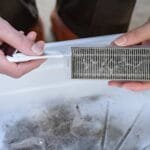
Vacuuming can help reduce spider allergens in your home. Dust and spider debris may cause allergies. Using a vacuum with a HEPA filter traps tiny particles well. Regular vacuuming lowers allergy risks linked to spiders. Clean floors mean fewer allergy problems for sensitive people.
Frequently Asked Questions
Do Vacuums Actually Kill Spiders Instantly?
Vacuums can kill spiders, but not always instantly. Some spiders die from suction force, while others survive inside the vacuum bag or canister.
Can Spiders Escape After Being Vacuumed?
Yes, some spiders survive vacuuming and may escape if the vacuum isn’t emptied immediately. Proper disposal is key to prevent escape.
Is Using A Vacuum Humane For Spider Removal?
Vacuuming is less painful than squashing but may still harm spiders. It’s a quick, less direct method to remove spiders safely.
What Vacuum Features Help Kill Spiders Effectively?
Strong suction and sealed bags improve spider removal. HEPA filters prevent spider parts from spreading, enhancing cleanliness and killing efficiency.
Conclusion
Vacuums can remove spiders quickly from your home. Many spiders do not survive the vacuum’s suction. Some may escape or hide inside the vacuum bag. Using a vacuum is a practical way to control spiders. It keeps your space clean without using chemicals.
Remember to empty the vacuum bag often. This helps prevent spiders from coming back. For best results, combine vacuuming with other spider control methods. Safe and simple steps make your home spider-free.