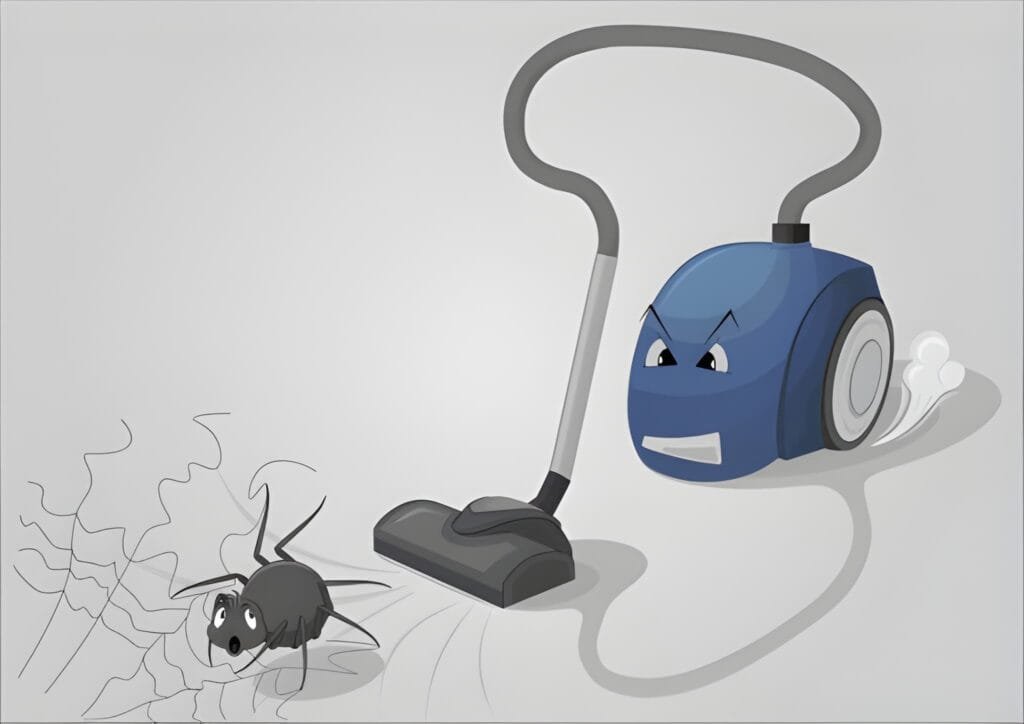
Are ants invading your home and driving you crazy? You might have wondered if vacuuming ants is an easy way to get rid of them for good.
It sounds simple, right? Just suck them up and say goodbye to the problem. But does vacuuming ants actually kill them, or do they just come back stronger? If you want to know the truth and learn the best way to deal with these tiny intruders, keep reading.
This could change how you handle your ant problem forever.
How Vacuuming Affects Ants
Vacuuming ants is a common method to remove them quickly from your home. Understanding how vacuuming affects ants helps you know if this method works well. It also shows what happens to ants right after being vacuumed. This knowledge guides you to handle ant problems better.
Immediate Impact On Ants
Vacuuming sucks ants into the machine fast. The force can injure or stun many ants right away. Some ants might get trapped without much harm. Inside the vacuum, ants face darkness and tight space. This environment stresses the ants immediately.
Survival Rate After Vacuuming
Not all ants die after vacuuming. Some survive and may escape if the vacuum is emptied carelessly. Survival depends on the vacuum’s power and how long ants stay inside. Many ants can live for hours after being sucked up. This means vacuuming alone may not fully solve an ant problem.
Ant Behavior And Vacuuming
Vacuuming ants may seem like a quick way to get rid of them. Understanding ant behavior helps explain what happens during this process. Ants react in specific ways to physical disturbances like vacuuming. Their colony also responds to changes in their numbers.
This section explores how ants behave when disturbed and how their colony reacts when members go missing.
Ants’ Response To Disturbance
Ants sense danger through vibrations and movement. Vacuuming creates strong vibrations that startle them. Most ants try to escape quickly. Some may freeze or drop to the ground. This sudden disturbance disrupts their normal activity. The vacuum can suck up many ants at once. But some manage to flee before being caught.
Colony Reaction To Missing Members
Ant colonies notice when workers disappear. They use chemical signals to track their numbers. Missing ants trigger alarm signals within the colony. Other ants may increase their activity to replace lost workers. The colony tries to repair damage fast. Losing some ants rarely stops the colony. They keep working and sending out new ants.
Effectiveness Of Vacuuming For Ant Control
Vacuuming ants can help reduce their numbers quickly. It removes many ants from floors, walls, and corners. But vacuuming alone does not solve an ant problem completely. Understanding how vacuuming works helps control ants better.
Limitations Of Vacuuming
Vacuuming kills ants only if they get trapped inside the vacuum. Some ants may escape before being sucked in. It does not reach the ant colony or queen. The queen controls the colony and keeps ants coming back. Vacuuming does not stop ants from returning to your home.
When Vacuuming Works Best
Vacuuming works well for removing ants on sight. It is useful for quick cleanups and stopping ants from spreading. Use it to catch ants on floors, countertops, and walls. It works better combined with other control methods. Vacuuming helps reduce ants and supports long-term control plans.
Alternative Ant Removal Methods
Vacuuming ants can remove them quickly but may not stop the problem. Ants often return because their nest remains untouched. Alternative ant removal methods target the source or block their return. These methods offer more lasting control over ant infestations.
Natural Remedies
Natural remedies use common household items to repel or kill ants. Vinegar and water spray disrupt ant trails and keep ants away. Diatomaceous earth is a safe powder that damages ants’ bodies. Lemon juice can block entry points and confuse ants. These options avoid harsh chemicals and are safe around pets and children.
Chemical Treatments
Chemical treatments include sprays, baits, and powders designed to kill ants. Baits attract ants who carry poison back to the nest. Sprays kill ants on contact and can treat nests directly. Use chemicals carefully and follow instructions to avoid harm. Chemicals provide faster and stronger results than natural methods but require caution.
Preventive Measures
Prevention stops ants before they enter your home. Seal cracks and holes around doors and windows. Keep food stored in airtight containers. Clean up crumbs and spills promptly. Remove standing water and fix leaks to cut ants’ water sources. A clean and sealed home reduces the chance of ants returning.
Tips For Safe And Efficient Vacuuming
Vacuuming ants can be a quick way to reduce their numbers indoors. Doing it safely and well helps avoid spreading the problem or harming your vacuum. Follow simple steps to make vacuuming ants effective and safe.
Choosing The Right Vacuum
Select a vacuum with strong suction and a sealed system. This stops ants from escaping during cleaning. A vacuum with a bag is best, as it traps ants inside. Avoid vacuums that blow air out, which may spread ants around.
Proper Disposal Of Vacuumed Ants
Empty the vacuum bag or canister outdoors immediately. Seal the bag or container in a plastic bag before throwing it away. This prevents ants from crawling back inside your home. Clean the vacuum parts often to stop odors and prevent infestations.
Frequently Asked Questions
Does Vacuuming Ants Effectively Kill Them?
Vacuuming can remove ants but does not always kill them instantly. Some ants may survive inside the vacuum bag or can escape. It helps reduce numbers but is not a complete solution for ant infestations.
Can Vacuuming Prevent Ant Colonies From Growing?
Vacuuming disrupts ant trails and removes some workers, slowing colony growth. However, it does not eliminate the queen or entire colony. Additional treatments are necessary to fully control and prevent ant infestations.
Is Vacuuming Ants Safe For Indoor Use?
Yes, vacuuming ants is a safe, chemical-free method to manage small infestations indoors. It avoids pesticide exposure but should be combined with other control measures for best results.
What Are Better Alternatives To Vacuuming Ants?
Better alternatives include bait traps, insecticides, and natural repellents. These target the queen and colony more effectively. Vacuuming alone is useful but should be part of a broader pest control strategy.
Conclusion
Vacuuming ants can remove many from your home quickly. It does not always kill them all. Some ants may escape or survive the process. Use vacuuming as part of a bigger plan to control ants. Combine cleaning, sealing entry points, and using safe treatments.
Keep your home tidy to avoid attracting ants. Small steps can make a big difference over time. Stay patient and consistent to manage ant problems well.