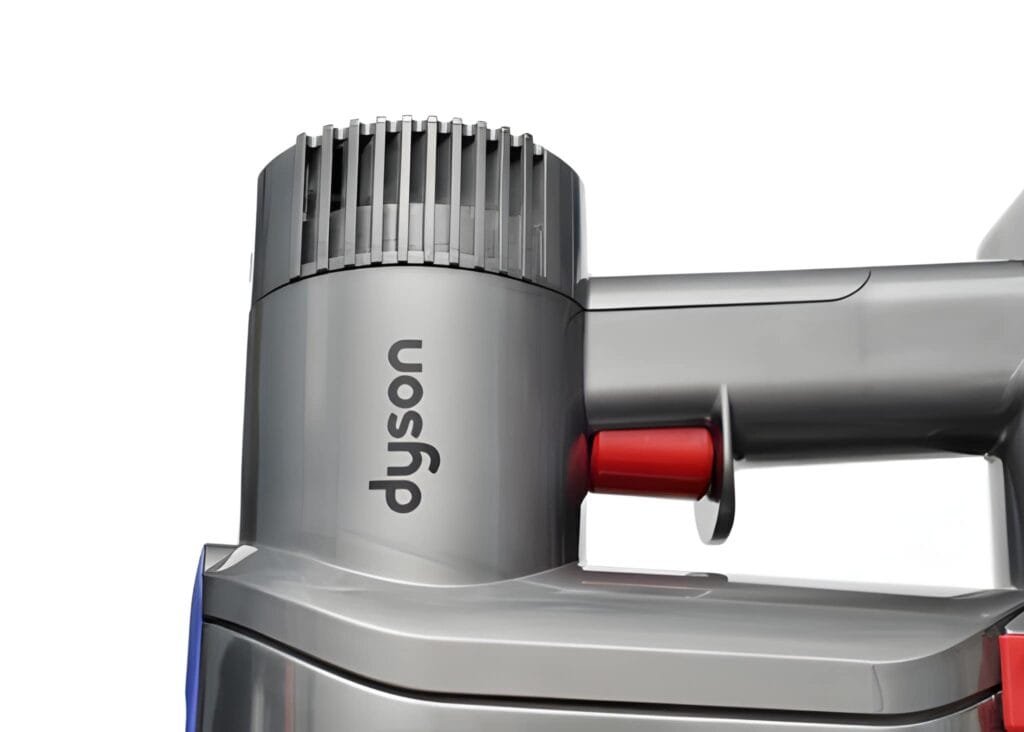
Have you ever wondered where your Dyson vacuum is actually made? If you’re like many people, you might assume it’s made in one place, but the truth might surprise you.
Knowing where your vacuum comes from can help you understand its quality and why it performs so well. You’ll discover the real story behind Dyson’s manufacturing process. Keep reading, because what you learn might change the way you see your vacuum forever.
Dyson’s Manufacturing Locations
Dyson is a well-known brand for vacuum cleaners and other home appliances. Many wonder where these products are made. Dyson’s manufacturing locations span several countries. This helps the company maintain quality and meet global demand.
The company started in the UK, and it still has key operations there. Over time, Dyson expanded its production to other parts of the world. This spread allows faster delivery and reduces costs.
Global Production Facilities
Dyson has production facilities in different continents. These factories build various parts and assemble the final products. They use advanced technology to ensure high standards.
Some facilities focus on research and development. Others specialize in manufacturing specific components. This distribution creates an efficient production network.
Key Countries Involved
The United Kingdom remains important for Dyson’s design and engineering. Many products are designed and tested there. Manufacturing happens in both the UK and abroad.
Singapore hosts one of Dyson’s major factories. It serves the Asia-Pacific market. The facility uses automated systems for assembly and quality checks.
Malaysia is another key location. It produces parts and assembles vacuum cleaners. This helps Dyson serve customers in Southeast Asia quickly.
China also plays a role in Dyson’s supply chain. Some components and final products come from factories there. This supports Dyson’s global reach.
History Of Dyson’s Production
Dyson started as a small company with a big idea. James Dyson invented a vacuum cleaner that did not lose suction. This invention changed the way vacuum cleaners worked. The company needed to find ways to build these new machines. The history of Dyson’s production shows how the company grew and changed.
Dyson’s production began with small factories and simple tools. Over time, the company moved to bigger factories and better technology. These changes helped Dyson make more vacuum cleaners faster. The production story is about growth, innovation, and finding the best ways to build products.
Early Manufacturing Stages
At first, Dyson made vacuum parts by hand. The company used small workshops in the UK. Workers assembled parts with care and skill. Production was slow but focused on quality. These early stages helped Dyson learn how to make reliable vacuums.
James Dyson and his team tested many designs. Each vacuum cleaner was checked for performance. This careful work built Dyson’s reputation for quality. The company also worked with local suppliers for materials. This kept the production close to home.
Shifts In Production Over Time
Dyson moved production to larger factories as demand grew. The company opened facilities in Asia to cut costs. These factories use modern machines and robots. This change made production faster and cheaper.
Some parts still come from the UK, but most are made abroad. Dyson controls quality with strict checks at every step. The company invests in new technology to improve production. This balance helps Dyson stay competitive worldwide.
Design And Engineering Hub
The design and engineering hub is the heart of Dyson vacuum development. This is where ideas turn into real products. Engineers and designers work together to create efficient, powerful vacuums. They focus on both form and function, making sure each vacuum is easy to use and looks great.
The hub combines creativity with technology. It uses the latest tools to test and improve every part. This process ensures high quality and durability. The design and engineering teams are always searching for better ways to clean homes.
Role Of Uk Headquarters
Dyson’s UK headquarters plays a key role in product design. This is where many vacuum models start their journey. The team here focuses on research and development. They work on new technologies and features for vacuums.
Engineers at the headquarters test prototypes carefully. They collect data to improve performance and reliability. The UK site also manages global product standards and safety. It acts as the main center for innovation and quality control.
Innovation Centers Worldwide
Dyson has innovation centers in several countries. These centers support the design and engineering hub in the UK. Each center works on specific parts or technologies. They help speed up product development.
Collaboration between centers leads to better ideas. Engineers share knowledge and solve problems together. This global network helps Dyson stay competitive. It allows quick responses to changing market needs.
Quality Control And Standards
Dyson places great importance on quality control and standards. This focus ensures every vacuum performs well and lasts long. Strict checks happen at every step of the production process. These checks help maintain Dyson’s reputation for reliable products.
Manufacturing Processes
Dyson vacuums are made using precise manufacturing methods. Each part is carefully crafted to meet exact specifications. Machines and skilled workers work together to build each vacuum. The process includes assembling, testing, and packaging. Quality is built into every stage to avoid defects.
Ensuring Product Reliability
Dyson tests each vacuum to ensure it works properly. Tests include suction power, battery life, and durability. These tests simulate real-life use to spot any issues. Only vacuums that pass all tests leave the factory. This process guarantees customers receive a dependable product.
Impact Of Global Supply Chain
The global supply chain plays a big role in making Dyson vacuums. It affects how parts and materials reach factories. It also impacts how finished products get to customers. The supply chain connects many countries and companies. Each step must work well to keep production smooth.
Sourcing Materials
Dyson uses many materials from different countries. Metals, plastics, and electronics come from trusted suppliers worldwide. Quality and availability matter most. Delays in one place can slow down the whole process. Dyson chooses suppliers carefully to keep high standards. This helps ensure every vacuum is strong and reliable.
Logistics And Distribution
Once parts arrive, they move to assembly plants. Dyson has factories in several locations. Finished vacuums travel through a network of warehouses and shipping centers. Efficient transport methods reduce delivery times. Proper planning avoids stock shortages in stores. The global logistics system supports Dyson’s goal of reaching customers quickly and safely.
Common Myths About Dyson’s Origin
Dyson vacuums are popular worldwide. Many people have ideas about where they are made. These ideas are often wrong. Understanding the truth helps buyers trust the brand more. Let’s clear up some common myths about Dyson’s origin.
Misconceptions On Manufacturing
Many think Dyson vacuums are made only in the UK. This is not true. Dyson has factories in several countries. They produce parts in Malaysia, Singapore, and the Philippines. Assembly may happen in different places too. The design and technology come mainly from the UK. This mix helps keep quality and innovation high.
Clarifying Brand Identity
Dyson is a British company. Its founder, James Dyson, started it in England. The brand identity stays British even with global manufacturing. The company controls design, research, and development in the UK. This control keeps Dyson’s products consistent worldwide. Brand origin is about more than just the factory location.
Future Trends In Dyson Production
The future of Dyson vacuum production promises exciting changes. Dyson continues to invest in smart technology and eco-friendly practices. These efforts aim to make vacuums more powerful and kind to the planet. The company also focuses on improving the user experience. Innovations will shape how Dyson products are made and used.
Technological Advancements
Dyson is enhancing its vacuum technology constantly. New models will feature stronger suction and smarter sensors. These sensors help the vacuum detect dirt and adjust power. Robotics and automation play a bigger role in production. This leads to faster, more precise manufacturing processes. Dyson also explores AI to improve cleaning efficiency.
Sustainability Initiatives
Dyson is committed to reducing its environmental impact. The company uses recycled materials in its products and packaging. Energy-efficient production methods lower carbon emissions. Dyson works on designing vacuums that last longer and are easier to repair. These steps help reduce waste and support a cleaner environment. Sustainability remains a key focus in Dyson’s future.
Frequently Asked Questions
Where Are Dyson Vacuums Manufactured?
Dyson vacuums are primarily made in Malaysia and Singapore. The company designs products in the UK but relies on factories in Asia for assembly. This approach balances innovation with cost-effective manufacturing.
Are Dyson Vacuums Made In The Uk?
While Dyson designs and engineers vacuums in the UK, most are manufactured overseas. The UK facilities focus on research, development, and design rather than mass production.
Why Does Dyson Manufacture Vacuums In Asia?
Dyson manufactures in Asia due to lower production costs and advanced factory capabilities. This strategy helps keep prices competitive while maintaining product quality and innovation.
Is Dyson Vacuum Quality Affected By Manufacturing Location?
No, Dyson maintains strict quality control regardless of location. Whether made in Malaysia or Singapore, every vacuum meets high standards for performance and durability.
Conclusion
Dyson vacuums are made mainly in Malaysia and Singapore. These countries have strong factories and skilled workers. Dyson designs and tests their products in the UK. This mix helps Dyson keep good quality and innovation. Knowing where they are made gives you a clearer picture.
It shows the global effort behind each vacuum. This helps you trust the brand more. Quality, design, and production all matter in your choice. Dyson’s careful process aims to meet your cleaning needs well.