Is your pool turning green and slimy with algae, but you don’t have a vacuum to clean it? Don’t worry—you can still get your pool sparkling clear without expensive tools.
Imagine jumping into fresh, clean water again, all by using simple, easy steps you can do yourself. In this guide, you’ll discover effective ways to remove algae from your pool quickly and safely, saving you time and money. Keep reading, and you’ll learn how to take control of your pool’s cleanliness starting today!
Causes Of Algae Growth
Algae growth in a pool can be frustrating and hard to control. Understanding why algae appear helps keep the water clean. Algae need certain conditions to grow and spread quickly. Knowing these causes can prevent algae problems before they start.
Common Algae Types
There are three main types of algae found in pools. Green algae is the most common and turns the water green. Yellow or mustard algae sticks to pool walls and looks dusty. Black algae is harder to remove and forms dark spots on surfaces.
Factors Promoting Algae
Warm water helps algae grow fast. Pools with poor circulation let algae settle and spread. Low chlorine levels cannot kill algae effectively. Dirt, leaves, and debris provide food for algae. Sunlight gives algae energy to multiply quickly.
Tools Needed For Removal
Removing algae from your pool without a vacuum requires a few basic tools. These tools help scrub, treat, and clear the algae effectively. Using the right equipment makes the process faster and easier. Here are the main tools needed for algae removal.
Manual Brushes
Manual brushes are essential for scrubbing algae off pool walls and floors. Use a stiff-bristle brush for tough algae stains. Nylon brushes work well for vinyl or fiberglass pools. Brush the affected areas regularly to break algae apart. This helps prevent algae from spreading further.
Algaecides And Chemicals
Algaecides kill algae quickly and prevent regrowth. Choose an algaecide suitable for your pool type. Chlorine shock treatments also help clear algae fast. Follow product instructions carefully for safe use. Proper chemical balance keeps your pool clean and clear.
Other Helpful Equipment
A telescopic pole helps reach all pool areas easily. A pool net or leaf skimmer removes floating debris and dead algae. Test kits check water pH and chlorine levels before and after treatment. These tools support thorough cleaning and maintain water quality.
Step-by-step Algae Removal
Removing algae from your pool can seem tough without a vacuum. Follow these clear steps to clean your pool effectively. This guide will help you clear algae and keep your water fresh and safe. Each step focuses on easy actions anyone can do.
Adjusting Pool Chemistry
Start by checking your pool’s chemical levels. Algae thrives when pH and chlorine are off balance. Use a test kit to measure pH, chlorine, and alkalinity. Aim for pH between 7.2 and 7.6. Raise chlorine to shock levels to kill algae quickly. Add chemicals slowly and wait for results before moving on.
Brushing Pool Surfaces
Brush all pool surfaces to break algae layers. Use a stiff pool brush to scrub walls, floor, and steps. Focus on corners and shaded areas where algae hides. Brushing loosens algae and helps chemicals work better. Do this daily until the algae disappears.
Using Algaecide Effectively
Choose an algaecide made for your pool type. Follow the label instructions carefully. Add algaecide after balancing chemicals and brushing. This product stops algae from growing back. Allow the pool filter to run for at least 24 hours. Repeat treatment if algae remains.
Alternative Cleaning Methods
Removing algae from your pool does not always require a vacuum. Several simple methods can help keep your pool clean and clear. These alternative cleaning methods save time and effort. They also work well to control algae growth before it spreads.
Using A Pool Skimmer
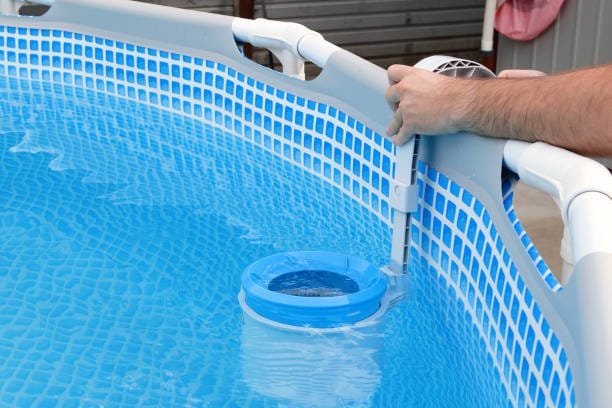
A pool skimmer is a handy tool to remove algae floating on the surface. Sweep the skimmer slowly across the water. Collect leaves, bugs, and algae clumps. Regular skimming stops algae from spreading further. It also improves water circulation, which helps keep algae under control.
Backwashing The Filter
Backwashing cleans your pool filter by reversing water flow. This removes trapped dirt and algae from the filter media. Turn off the pump and set the valve to backwash. Run it for a few minutes until the water runs clear. This process keeps the filter efficient and improves water clarity.
Natural Remedies
Certain natural substances can help reduce algae naturally. Adding baking soda raises the water’s pH, making it harder for algae to grow. Vinegar works as a mild acid to break down algae cells. Use these remedies carefully and test your pool water regularly. Natural options provide a gentle way to control algae without harsh chemicals.
Preventing Future Algae
Preventing algae in your pool keeps the water clear and safe. Small efforts daily stop algae from growing back. Focus on consistent care to avoid big cleaning jobs.
Regular Maintenance Tips
Clean your pool weekly. Remove leaves and debris from the surface. Brush pool walls gently to stop algae buildup. Skim the water often to keep it clear. Check the pool for any signs of algae early.
Balancing Pool Chemicals
Test pool water regularly. Keep pH levels between 7.2 and 7.6. Use chlorine to kill algae and germs. Add algaecide as a preventive measure. Avoid using too much chemical to protect swimmers and pool parts.
Proper Circulation Practices
Run the pool pump daily for 8 to 12 hours. Make sure water moves in all areas. Check and clean pool filters often. Good water flow stops algae from settling. Circulation spreads chemicals evenly to fight algae.
Frequently Asked Questions
How Can I Remove Algae Without Using A Pool Vacuum?
You can remove algae by brushing pool walls, using algaecide, and shocking the water. Proper filtration and circulation help too.
What Chemicals Help Eliminate Algae In Pools?
Algaecides and chlorine shock treatments are effective. They kill algae spores and prevent regrowth when used correctly.
Is Brushing Enough To Clear Algae From The Pool?
Brushing removes algae from surfaces but doesn’t kill spores. Combine brushing with chemical treatments for best results.
Can Pool Filters Remove Algae Without Vacuuming?
Yes, filters trap algae particles suspended in water. Regular backwashing and cleaning improve algae removal efficiency.
Conclusion
Removing algae from your pool without a vacuum is simple and effective. Use a brush to scrub the pool walls and floor well. Add the right chemicals to kill algae fast. Run the pool pump to help clean the water.
Regularly check and balance the pool’s pH levels. Clean filters often to keep water clear. Stay consistent with these steps for a clean pool. Clear water means more fun and less work. Keep your pool algae-free and enjoy swimming anytime.