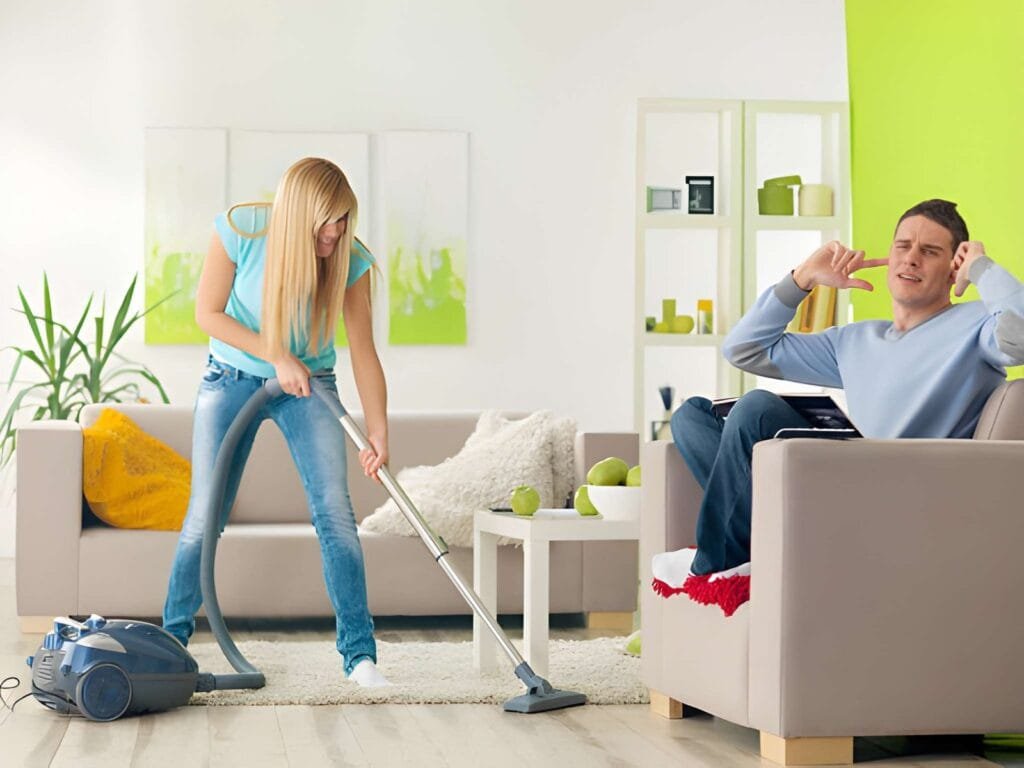
Have you ever wondered why your vacuum cleaner sounds like a mini jet engine every time you turn it on? That loud roar isn’t just annoying—it actually tells you a lot about how your vacuum works.
Understanding why vacuums are so loud can help you choose the right one and even find ways to make your cleaning routine more comfortable. Keep reading, and you’ll discover the surprising reasons behind that noise and what it means for your home.
Sources Of Vacuum Noise
Vacuum cleaners are known for their loud noise. This noise comes from different parts inside the machine. Understanding these sources helps explain why vacuums sound so loud. Noise comes mainly from the motor, the air moving through the vacuum, and the brush roll hitting the floor.
Motor Sound
The motor is the main source of noise in a vacuum. It spins very fast to create suction. This spinning makes a humming or buzzing sound. The motor’s size and power affect how loud it is. Bigger motors usually make more noise.
Airflow Turbulence
Air moves quickly inside the vacuum. This fast air creates turbulence. Turbulence is a noisy, rough air movement. It causes a whooshing or rushing sound. Narrow parts in the vacuum can increase this noise.
Brush Roll Impact
The brush roll spins and hits the floor or carpet. This hitting makes a thumping or scraping noise. Hard floors can make the noise louder. The speed of the brush roll also affects the sound level.
Design Factors Affecting Loudness
Vacuum cleaners often make a lot of noise. Several design factors play a big role in how loud a vacuum sounds. These elements affect the sound levels during use. Understanding these can help explain why some vacuums are louder than others.
Motor Power And Size
The motor is the heart of a vacuum. Larger motors usually produce more power but also more noise. Powerful motors spin faster, creating louder sounds. Small motors tend to be quieter but may lose suction strength. The balance between motor size and noise is key in vacuum design.
Housing And Material
The vacuum’s outer shell affects sound levels. Hard plastic or metal shells can reflect sound waves. This reflection makes the noise seem louder to the ears. Softer materials or special coatings can absorb sound. The shape of the housing also guides how sound travels out of the vacuum.
Noise Insulation Features
Some vacuums include noise insulation parts. These can be foam liners or rubber seals inside the housing. They help block and absorb motor noise. Noise insulation reduces vibrations that cause sound. Vacuums with better insulation are quieter to use and less tiring on the ears.
Common Causes Of Excessive Noise
Vacuum cleaners can get very loud for several reasons. Understanding these causes helps you reduce noise and keep your vacuum working well. Noise often means the vacuum needs some care or fixing.
Clogged Filters And Hoses
Filters and hoses block dirt and dust. When they get clogged, air cannot flow smoothly. The vacuum motor works harder and makes more noise. Cleaning or replacing filters and hoses lowers noise levels.
Worn Bearings
Bearings help parts move smoothly inside the vacuum. Over time, bearings wear out or get damaged. This creates a loud grinding or squealing sound. Replacing worn bearings can stop the noise and protect the vacuum.
Loose Parts
Vibrations make parts inside the vacuum come loose. Loose screws, panels, or brushes rattle and cause noise. Tightening or fixing these parts reduces noise and prevents further damage.
Impact On Users And Environment
Vacuum noise affects both people and the environment around them. The loud sound can cause problems beyond just being annoying. It impacts health, comfort, and the quiet of our communities. Understanding these effects helps us see why quieter vacuums matter.
Hearing Health Risks
Loud vacuums can harm hearing over time. The noise level may reach above safe limits. Prolonged use can cause ringing or hearing loss. Protecting ears by using quieter models or earplugs is important. Avoiding long exposure helps keep hearing healthy.
Stress And Discomfort
High noise causes stress and discomfort for users. The loud sound can make vacuuming unpleasant. It may increase heart rate and tension. People often rush cleaning to avoid the noise. A quieter vacuum creates a more relaxed experience.
Noise Pollution Concerns
Vacuum noise adds to overall noise pollution. It disturbs neighbors and pets in homes and apartments. Constant loud sounds reduce peace in living areas. Noise pollution can affect sleep and focus. Using quieter machines helps maintain a calm environment.
Ways To Reduce Vacuum Noise
Vacuum noise can be annoying during cleaning. Lowering this noise makes chores easier and more pleasant. Here are simple ways to reduce vacuum noise at home.
Regular Maintenance
Keep your vacuum clean and well-maintained. Check and replace filters often. Clean the brush roll to avoid blockages. Clear the hose from clogs to improve airflow. A clean vacuum runs smoother and quieter.
Choosing Quieter Models
Look for vacuums labeled as quiet or low-noise. These models use better motors and sound insulation. Bagless vacuums tend to be louder than bagged ones. Choose a vacuum with a lower decibel rating. This helps reduce noise during cleaning.
Using Sound Dampening Accessories
Use rubber mats under the vacuum to reduce vibration sounds. Attach noise-reducing covers on the motor or hose. Soft wheels also help decrease noise on hard floors. These small accessories can make a big difference.
Frequently Asked Questions
Why Do Vacuums Produce Loud Noise?
Vacuums create noise mainly from the motor and airflow. The motor spins rapidly, generating sound. Air passing through filters and tubes also adds to the noise. This combination causes vacuums to be loud during operation.
Can Vacuum Noise Harm Your Hearing?
Prolonged exposure to loud vacuum noise can affect hearing. Most vacuums produce around 70-85 decibels, which is safe for short periods. However, extended use without protection may cause discomfort or hearing issues over time.
Do Vacuum Types Affect Noise Levels?
Yes, vacuum types influence noise levels. Upright vacuums often produce more noise due to powerful motors. Canister and robotic vacuums tend to be quieter. Design and motor quality also impact sound intensity.
How Can I Reduce Vacuum Noise At Home?
To reduce vacuum noise, clean or replace filters regularly. Use noise-dampening mats under the vacuum. Choose vacuums with quieter motor technology. Running vacuums on lower power settings also lowers noise.
Conclusion
Vacuum noise comes from the motor and airflow inside. Strong suction needs power, which creates loud sounds. Filters and design also affect the noise level. Some vacuums use quieter technology but still make sound. Knowing why vacuums are loud helps you choose better.
You can find models that balance power and noise. Quiet vacuums exist but may cost more. Understanding these facts makes cleaning less annoying. Noise is part of how vacuums work. Now, you know why they sound so loud.