Have you ever noticed your vacuum cleaner blowing dust and dirt right back onto your floor? It’s frustrating when you expect a clean home, but your vacuum seems to be making things messier.
If you’re wondering, “Why is my vacuum spitting stuff back out? ” you’re not alone. Understanding the reasons behind this problem can save you time and keep your space spotless. Keep reading to discover what’s causing this annoying issue and how you can fix it quickly.
Common Reasons For Vacuum Spitting
Vacuum cleaners are meant to suck up dirt and dust, not spit it back out. When your vacuum spits debris, it means something is wrong inside. Understanding the common causes helps fix the problem quickly. Here are the main reasons your vacuum might be spitting stuff back out.
Clogged Filters
Filters trap dust and tiny particles during cleaning. If they get clogged, air cannot flow properly. This causes dirt to escape back into the room. Regularly cleaning or replacing filters keeps your vacuum working well.
Full Or Blocked Dust Bin
A dust bin that is full or blocked stops dirt from staying inside. When full, the vacuum may push dust back out instead of storing it. Empty the dust bin often to avoid this issue and maintain suction power.
Obstructed Air Pathways
Air needs clear paths to flow through the vacuum. Hair, strings, or large debris can block these pathways. Such blockages force dirt to come back out. Check hoses and tubes regularly and clear any obstructions.
Damaged Or Worn Out Seals
Seals keep air and dust inside the vacuum system. Worn or broken seals let dirty air leak back out. Replacing damaged seals ensures your vacuum captures dirt properly and prevents spitting.
How Dirt And Debris Get Ejected
When your vacuum spits dirt and debris back out, it feels strange and frustrating. Understanding how this happens helps you fix the problem. Dirt and debris can get ejected because of issues inside the vacuum’s system. These issues often relate to pressure, blockages, or filter problems. Each problem affects the vacuum’s ability to keep dirt inside.
Pressure Build-up Inside Vacuum
Vacuum cleaners work by creating suction to pull in dirt. Sometimes, suction pressure builds up too much inside. This happens when air cannot flow freely. The trapped pressure forces dirt and dust back out through the vacuum’s opening. Pressure build-up means the vacuum cannot hold the debris properly. Fixing airflow solves this issue quickly.
Backflow Due To Blockages
Blockages in vacuum hoses or tubes cause backflow. Dirt clogs these pathways, stopping suction from working right. Air pushes dirt back out instead of pulling it in. Blockages can be from hair, string, or large debris. Removing these blockages clears the path for dirt to stay inside. This prevents dirt from being spit back out.
Filter Malfunction Effects
Filters trap dust and fine particles inside the vacuum. When filters get dirty or broken, they fail to work well. Dust escapes and may come back out of the vacuum. A clogged filter reduces suction power. This causes the vacuum to spit out dirt along with air. Regular filter cleaning or replacement keeps your vacuum working properly.
Fixing Filter And Dust Bin Issues
Fixing filter and dust bin issues often solves the problem of your vacuum spitting dust back out. These parts play a big role in holding dirt inside the vacuum. When they are clogged or not working right, dust escapes. Simple checks and cleaning can make your vacuum work like new.
Cleaning Or Replacing Filters
Filters trap dust and tiny particles inside the vacuum. Over time, they get clogged and lose their power. Clean washable filters with water and let them dry completely. Replace non-washable filters as the manufacturer suggests. Clean or new filters help your vacuum hold dust better.
Emptying And Inspecting Dust Bin
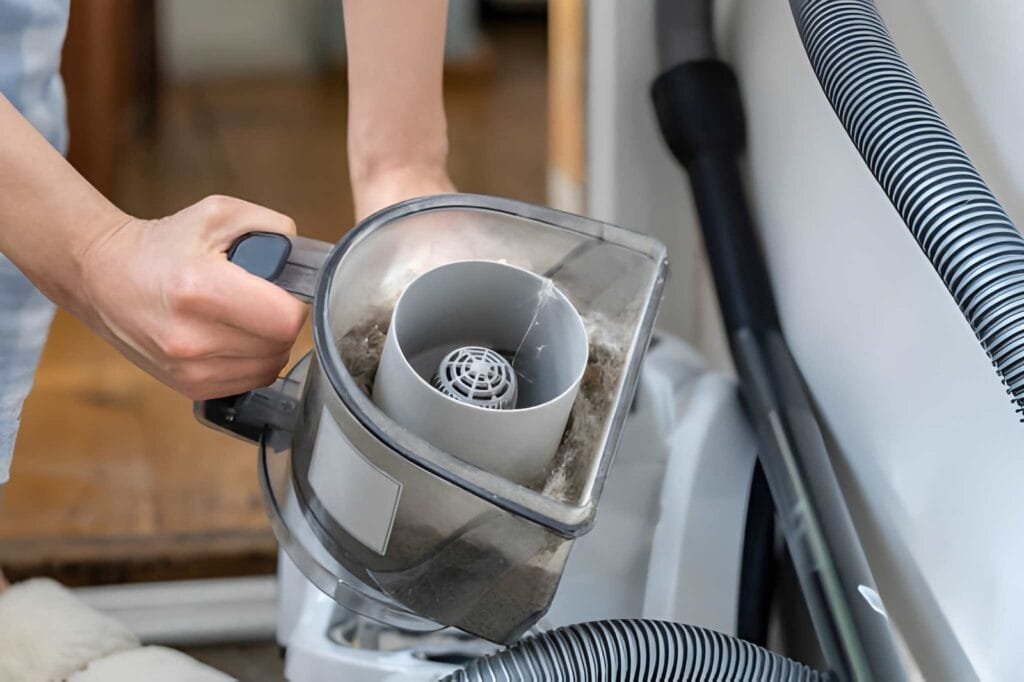
A full dust bin stops dirt from staying inside. Empty it after every use or when it is half full. Check for cracks or damage that lets dust escape. Clean the bin with a damp cloth to remove stuck dirt. A clean, intact bin keeps dust inside the vacuum.
Ensuring Proper Filter Installation
Filters must fit correctly in the vacuum. Wrong placement lets dust pass through gaps. Check the user manual to place filters properly. Push filters firmly but gently into their slots. Proper installation stops dust from escaping your vacuum.
Clearing Blockages Effectively
Clearing blockages effectively is key to fixing a vacuum that spits dirt back out. Blockages stop the dirt from moving inside the vacuum. This causes it to come back out instead of going into the dustbin. Regularly checking and clearing blockages keeps your vacuum working well and your home clean.
Checking Hoses And Attachments
Start by looking at the hoses and attachments. Remove them carefully from the vacuum. Shine a light inside to spot any clogs or buildup. Hair, dust, and small objects often get stuck here. Clear any visible blockages with your fingers or a long tool. Make sure all parts are dry before putting them back.
Using Tools To Remove Debris
Use simple tools to reach deep blockages. A straightened wire hanger or a flexible brush works well. Push debris gently out of the hose or narrow parts. Avoid sharp tools that can damage the vacuum. After removing debris, run water through hoses if the manual allows. Let everything dry fully before reassembling.
Preventing Future Blockages
Keep blockages away by cleaning your vacuum often. Empty the dustbin after each use to avoid buildup. Check hoses and brushes regularly for trapped dirt. Avoid vacuuming large or sharp objects that can cause clogs. Store your vacuum in a dry place to prevent mold and dust accumulation.
Maintaining Vacuum Seals And Components
Maintaining vacuum seals and components is key to stopping your vacuum from spitting dust and dirt back out. Seals and parts that do not fit right cause air leaks. These leaks reduce suction power and push debris out instead of pulling it in.
Keeping seals tight and parts in good shape improves vacuum performance. It also helps your vacuum last longer and clean better. Simple checks and repairs can fix many common problems.
Inspecting Seals For Wear
Check the vacuum seals regularly for cracks or tears. Worn-out seals allow air to escape, lowering suction. Look around the hose connections and dustbin area. Replace any seals that look dry, cracked, or broken.
Replacing Damaged Parts
Damaged brushes, filters, or hoses can cause your vacuum to spit debris out. Inspect these parts for holes or clogs. Swap out broken or worn pieces with new ones to restore proper airflow and suction. Use parts made for your vacuum model.
Regular Maintenance Tips
Clean filters and empty the dustbin often to prevent blockages. Check seals and parts every few weeks. Tighten loose connections and remove stuck dirt. Doing small maintenance tasks keeps your vacuum working well and stops it from spitting dirt back out.
When To Seek Professional Repair
Knowing when to seek professional repair helps save time and money. Some vacuum problems need expert attention. Trying to fix complex issues alone might cause more damage. Professionals have the right tools and knowledge to fix the vacuum safely and correctly.
Signs Of Internal Damage
Vacuum spits dirt back out despite cleaning filters. Strange noises come from inside the vacuum. The motor smells burnt or overheats quickly. Brushes stop spinning or work unevenly. These signs show internal parts may be broken or worn out.
Complex Mechanical Issues
Problems with belts, motors, or wiring need expert help. Internal blockages beyond the filter can be hard to reach. Broken parts inside require special tools to replace. Trying to fix these can cause more harm or void warranties.
Warranty And Service Options
Check if your vacuum still has a warranty. Many brands offer free repairs under warranty. Authorized service centers provide safe and reliable fixes. Using these options protects your investment and keeps your vacuum working longer.
Frequently Asked Questions
Why Does My Vacuum Spit Dust Back Out?
This usually happens due to a clogged or full vacuum filter. When airflow is blocked, dust escapes through the exhaust. Regularly cleaning or replacing filters can fix this issue. Proper maintenance ensures efficient suction and prevents dust from being spit back out.
Can A Full Vacuum Bag Cause Spitting?
Yes, a full vacuum bag reduces suction power. This forces dust and debris to escape through the vacuum’s exhaust. Emptying or replacing the bag regularly prevents spitting and maintains strong vacuum performance.
How Does A Dirty Vacuum Filter Affect Spitting?
A dirty filter blocks airflow, causing pressure buildup inside the vacuum. This forces dust and debris back out through the exhaust. Cleaning or changing the filter regularly stops this problem and keeps your vacuum working efficiently.
Does A Vacuum Hose Blockage Cause Spitting?
Yes, a blockage in the hose restricts airflow and suction. This can push dirt and dust back out of the vacuum. Clearing any clogs in the hose helps restore proper suction and prevents spitting.
Conclusion
A vacuum spitting dust means something blocks it inside. Check the filter and bags for clogs or damage. Clean parts often to keep air flowing right. Small objects stuck in the hose can cause this too. Regular care helps your vacuum work better and last longer.
Fix problems quickly to avoid bigger damage. A clean vacuum keeps your home fresh and dust-free. Simple steps can stop spitting and improve suction. Keep your vacuum in good shape for easy cleaning.